
Finding the perfect pair of jeans can feel like a challenge, especially when deciding between stretch and rigid denim. For older women, comfort, fit, and style are key. This guide breaks down the pros and cons of stretch versus rigid jeans, helping you choose the best jeans option for your lifestyle and wardrobe.
What Are Stretch and Rigid Jeans?

To make an informed choice, it’s important to understand the fundamental differences between stretch and rigid jeans. These two types of denim cater to different needs when it comes to comfort, fit, and style.
Stretch Jeans
Definition: Stretch jeans are made with a blend of cotton and elastane (also called spandex) for flexibility and a comfortable fit. The elastane content allows the fabric to stretch and move with your body, making these jeans a popular choice for everyday wear.
Typical Fabric Composition: Most stretch jeans contain 1-5% elastane, blended with cotton and sometimes polyester for durability. This combination provides a balance between structure and softness.
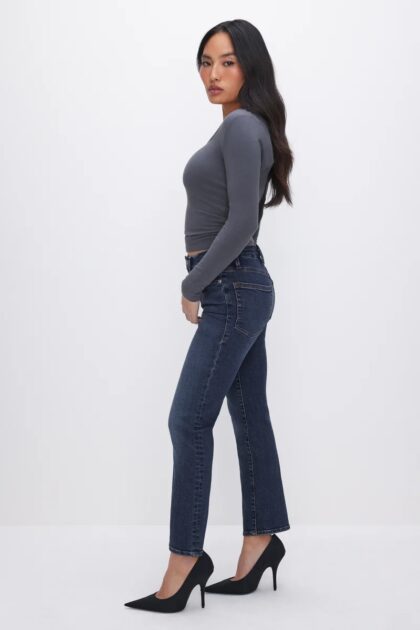
GOOD AMERICAN
$99
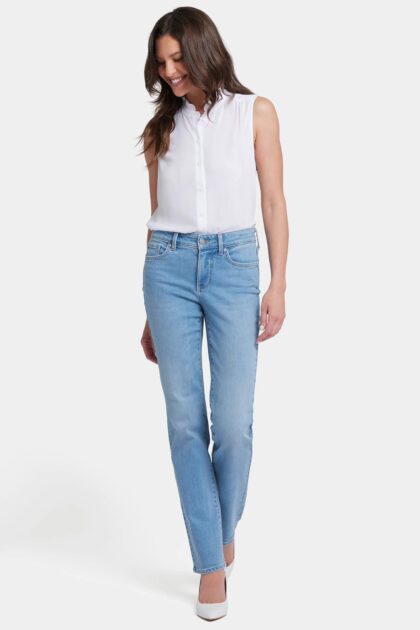
NYDJ
Marilyn Straight Jeans
$119

EVERLANE
The Original Cheeky® Jean
$98
Rigid Jeans
Definition: Rigid jeans are crafted from 100% cotton denim with little to no stretch. Unlike stretch jeans, rigid denim offers a structured fit that molds to your shape over time, giving it a personalized, worn-in feel.
Key Features: Known for their vintage-inspired look, rigid jeans create a timeless silhouette with a classic, structured fit. They may feel stiff at first but soften after multiple wears, making them a durable wardrobe staple.
Understanding these differences helps you choose whether you want the flexibility of stretch jeans for comfort or the structured elegance of rigid jeans for a vintage, polished style.
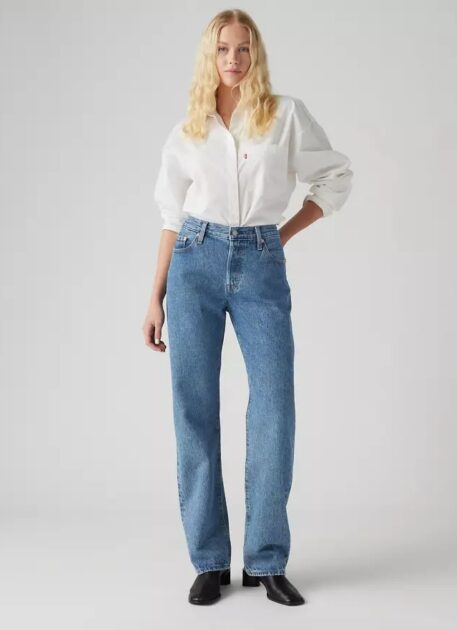
LEVI’S
501® ’90S WOMEN’S JEANS
$98
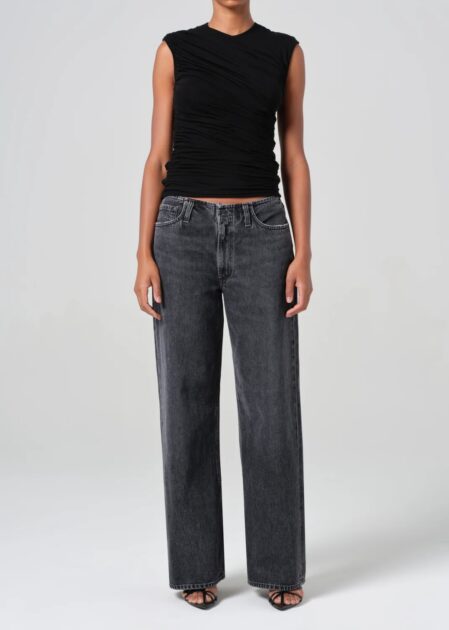
AGOLDE
LEX JEAN
$268
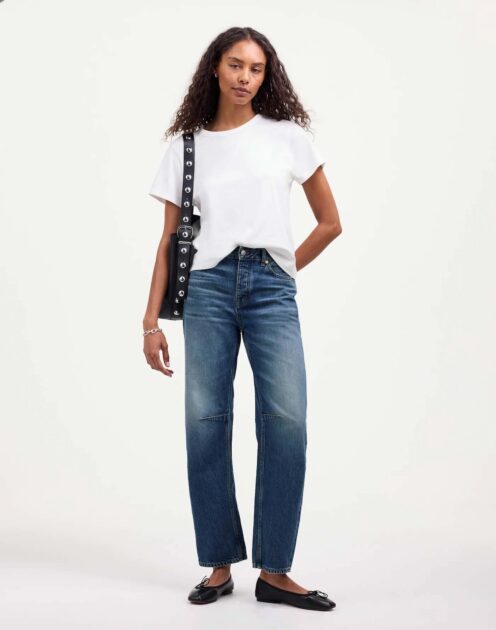
MADEWELL
The Darted Barrel-Leg Jean
$148
Pros and Cons of Stretch Jeans
Stretch jeans have become a go-to for many women thanks to their flexible fit and all-day comfort. However, like any wardrobe staple, they come with both advantages and drawbacks. Let’s break it down:
Pros of Stretch Jeans
- Flexible and Comfortable Fit: The addition of elastane makes stretch jeans move with your body, providing ease of movement during daily activities, from running errands to lounging at home.
- Adapts to Body Changes: Stretch jeans are forgiving and can accommodate subtle weight fluctuations, making them a practical option for older women seeking comfort without sacrificing style.
- Less Break-In Time: Unlike rigid denim, stretch jeans feel soft and ready to wear right out of the store, eliminating the need for an uncomfortable “break-in” period.
Cons of Stretch Jeans
- Shape Retention Issues: After frequent washes and wears, some stretch jeans may begin to lose their shape, leading to sagging in areas like the knees and waistband.
- Can Feel Too Clingy: Depending on the fabric blend, certain stretch jeans may feel overly tight or clingy, especially if they contain a high percentage of elastane.
While stretch jeans are perfect for comfort and flexibility, finding the right fabric blend is essential to ensure they maintain their shape while staying flattering and cozy.
Pros and Cons of Rigid Jeans
Rigid jeans are beloved for their classic style and durability. Made from 100% cotton, they offer a structured fit that creates a timeless silhouette. However, this type of denim also requires patience and styling finesse. Here’s an overview of their advantages and disadvantages:
Pros of Rigid Jeans
- Timeless, Structured Fit: Rigid jeans hold their shape over time, making them a great investment for a polished, tailored look that doesn’t sag or stretch out.
- Flattering Vintage Silhouette: These jeans create a streamlined silhouette that evokes a classic, vintage vibe. They’re ideal for outfits that call for a more structured, put-together appearance.
- Durable and Long-Lasting: Thanks to their all-cotton composition, rigid jeans are highly resistant to wear and tear, lasting for years without losing their original integrity.
Cons of Rigid Jeans
- Break-In Period: Rigid jeans can feel stiff and uncomfortable at first, requiring multiple wears to soften and mold to your body.
- Less Forgiving Fit: Unlike stretch jeans, rigid denim doesn’t adapt to body fluctuations, making it less flexible and potentially restrictive during movement.
Rigid jeans are a great option for those who appreciate a structured, vintage-inspired fit. While they may take some time to break in, they reward you with unmatched durability and style that stands the test of time.
Choosing the Right Jeans Based on Body Type and Lifestyle
Finding the perfect pair of jeans starts with understanding how different styles complement your body type and fit your daily needs. Whether you prefer stretch or rigid jeans, the right cut and rise can enhance your shape and suit your lifestyle seamlessly. Here’s a guide to help you choose:
Apple Shape
Recommendation: Stretch jeans with a high-rise waistband help balance proportions by providing support around the midsection and drawing attention upward. Look for jeans with a contoured waistband to prevent gapping and create a smooth silhouette.
Pear Shape
Recommendation: Structured, mid-rise, or wide-leg rigid jeans are ideal for balancing wider hips. A mid-rise cut ensures the waistband sits comfortably without emphasizing the hips, while wide-leg styles help create a proportionate, lengthened look.
Hourglass Shape
Recommendation: High-rise stretch jeans or vintage-inspired rigid jeans work well to emphasize the waist and enhance natural curves. Stretch jeans mold to your shape, while rigid jeans create a structured, cinched effect that highlights your figure.
Petite Frame
Recommendation: Stretch jeans with cropped or ankle-length cuts elongate the legs and prevent the fabric from overwhelming a shorter frame. High-rise styles with a slim legs also add the illusion of extra height.
Tall Frame
Recommendation: Rigid jeans with straight-leg or wide-leg fits complement a taller frame by adding balance and structure. Look for brands that offer longer inseams and high-rise fits to accentuate your proportions stylishly.
No matter your body type, experimenting with different cuts and rises can help you find a pair of jeans that look flattering and feel comfortable. Whether you prefer the flexibility of stretch jeans or the structured elegance of rigid jeans, there’s a style that suits every lifestyle.
Styling Tips for Stretch and Rigid Jeans
Whether you prefer the flexibility of stretch jeans or the classic structure of rigid denim, styling can elevate your look and make the most of your jeans. Here are some denim styling ideas for both types to keep you looking chic and feeling comfortable.
For Stretch Jeans
- Pair with Structured Tops: Balance the softness of stretch jeans with tailored pieces like blazers, button-up shirts, or knit sweaters. This creates a polished silhouette that’s perfect for casual-chic outfits.
- Add a Statement Belt: A bold belt not only adds personality to your outfit but also defines your waist and elevates the overall look. Opt for a neutral leather belt or a metallic buckle for added flair.
- Mix Textures: Pair your stretch jeans with textured fabrics like linen, tweed, or leather for visual contrast and added sophistication.
For Rigid Jeans
- Tuck in Flowy Blouses: A tucked-in, flowy blouse creates a flattering contrast with the structured fit of rigid jeans. This combination balances femininity with a touch of casual edge.
- Wear with Heeled Boots or Sneakers: Heeled ankle boots can help break in rigid denim while adding height and elongating your legs. For a more laid-back vibe, opt for trendy sneakers to soften the look.
- Layer with Oversized Jackets: Pair your rigid jeans with oversized denim jackets, trench coats, or long cardigans for a street-style inspired, layered outfit.
Both stretch and rigid jeans offer versatile styling options. Whether you’re aiming for polished sophistication or casual cool, the right pair of shoes, belts, and tops can transform your outfit and highlight your personal style.
Durability and Maintenance
Proper care can significantly extend the lifespan of your jeans, whether they’re stretchy and soft or rigid and structured. Here’s how to keep your denim looking great and feeling comfortable for years to come:
Stretch Jeans
- Wash with Cold Water: Cold water helps preserve the elasticity of stretch jeans and prevents the fibers from wearing out too quickly. Always opt for a gentle cycle to reduce friction.
- Avoid Frequent Drying: Air-dry your jeans instead of using a dryer. The heat from a dryer can weaken the elastane, causing the jeans to lose their shape and fit over time.
- Use Mild Detergent: Harsh detergents can break down the fabric blend, so choose a gentle, non-bleach formula to maintain the softness and color of your jeans.
Rigid Jeans
- Spot-Clean for Minor Stains: Instead of frequent full washes, spot-clean rigid jeans using a damp cloth and mild soap to preserve the integrity of the raw denim.
- Limit Washing: Washing rigid jeans too often can fade their vintage finish and make the fabric softer than intended. Wash only when absolutely necessary to maintain their structure.
- Turn Inside Out for Washing: When you do wash rigid jeans, turn them inside out to protect the exterior from fading unevenly.
Maintaining your jeans properly not only preserves their fit and finish but also extends their durability. Whether you’re working with stretchy blends or sturdy 100% cotton denim, following these care tips will keep your favorite jeans looking fresh and stylish.
Price Comparison and Brand Recommendations
When choosing between stretch and rigid jeans, price is an important factor. While both styles are available across various price points, stretch and rigid jeans differ slightly when it comes to cost due to fabric blends and construction. Here’s a breakdown:
Price Comparison
- Stretch Jeans: Prices for stretch jeans typically range from $40 to $150, depending on the brand and fabric composition. Affordable options from everyday brands start around $40, while premium brands like Good American can reach $150 or more.
- Rigid Jeans: Rigid jeans often cost between $50 and $200. Classic brands like Levi’s offer budget-friendly options, while designer brands such as AGOLDE and high-quality raw denim brands fall into the $150 to $200 range due to their craftsmanship and timeless appeal.
Stretch jeans tend to be more affordable at the entry level due to their mass-market production, while rigid jeans—especially those made with raw or selvedge denim—are priced higher because of their durability and long-lasting structure.
Recommended Brands
- Stretch Jeans:
- Good American: Known for inclusive sizing and supportive stretch that molds to your body.
- NYDJ (Not Your Daughter’s Jeans): Popular for their “Lift Tuck®” technology, which provides stretch without losing shape.
- Everlane: Offers minimalist, sustainably made stretch jeans that are both stylish and functional.
- Rigid Jeans:
- Levi’s: An iconic choice for timeless rigid jeans like the “501 Original” with a straight-leg fit.
- AGOLDE: Premium, vintage-inspired rigid denim with contemporary cuts and structured silhouettes.
- Madewell: Offers classic rigid jeans with a slightly modern twist, known for their flattering high-rise fits.
Whether you prefer the flexible comfort of stretch jeans or the structured style of rigid denim, choosing the right brand can make a big difference. Affordable brands like Levi’s and Everlane offer great value, while designer names like Good American and AGOLDE provide premium quality and lasting style.
When to Choose Stretch vs Rigid Jeans
Choosing between stretch denim and rigid denim depends on your lifestyle, comfort preferences, and personal style. While stretch jeans are known for their comfy, flexible fit, non-stretch jeans offer a timeless, structured look that holds its shape. Here’s when to opt for each style:
Stretch Jeans
Best For: Casual, everyday wear, travel, and activities that require flexibility.
- Effortlessly Chic and Comfortable: Stretch jeans provide a snug, legging-like feel while maintaining a stylish silhouette. Whether you’re running errands or heading to brunch, they’re a versatile choice for all-day comfort.
- Adaptable for Curvy Figures: Thanks to their stretch factor, these jeans fit beautifully and conform to curves, eliminating gaps at the waistband. For anyone who prefers skinny jeans or jeggings, stretchy jeans feel like a second skin.
- Shape Retention: Look for blends with 1-2% elastane to keep their shape without becoming saggy after multiple wears.
Stretchy jeans are always a good pick for those who prioritize comfort, and brands like Citizens of Humanity offer high-quality pairs that blend style and softness seamlessly.
Rigid Jeans
Best For: Statement outfits, vintage-inspired looks, and occasions where structure and style matter more than flexibility.
- Timeless Style: Non-stretch jeans, also known as rigid jeans, create a structured, effortlessly chic silhouette. They often come in two iconic styles: high-waisted straight-leg jeans and classic “501s” for a vintage vibe.
- Durability Over Time: Rigid denim jeans made from 100% cotton are built to last and only get better with age, molding to your body for a customized fit in the long run.
- Perfect for Dressed-Up Looks: A pair of non-stretch denim jeans paired with a tucked-in blouse and heels is sure to look polished and put-together, no matter the occasion.
Rigid denim may seem a little stiff at first wear, but once broken in, they fit like a glove and keep their shape better than stretchy jeans.
Whether you love jeans for their comfort or style, knowing when to choose stretch or rigid fabric can make all the difference. Stretch jeans are great for busy, casual days, while non-stretch denim is ideal for those effortlessly chic moments that never go out of style.
Conclusion
Choosing between stretch and rigid jeans comes down to your priorities—comfort, style, and versatility. Stretch denim offers a snug, comfy fit that’s perfect for everyday wear and activities requiring flexibility. In contrast, rigid denim provides a timeless, structured silhouette with zero stretch, ideal for creating effortlessly chic, vintage-inspired looks.
When selecting the right pair, consider your body type and how the jeans will fit into your lifestyle. High-waisted stretch jeans can flatter curvy figures and provide ease for long days out, while non-stretch jeans like straight-leg 501s are perfect for statement outfits that hold their shape beautifully.
The best way to find your perfect fit is to try both styles. Whether you prefer the softness of stretchy jeans or the durability of traditional denim, experimenting with different washes, cuts, and brands can help you build a wardrobe that feels authentic and stylish. After all, the right pair of jeans is more than clothing—it’s a confidence booster!