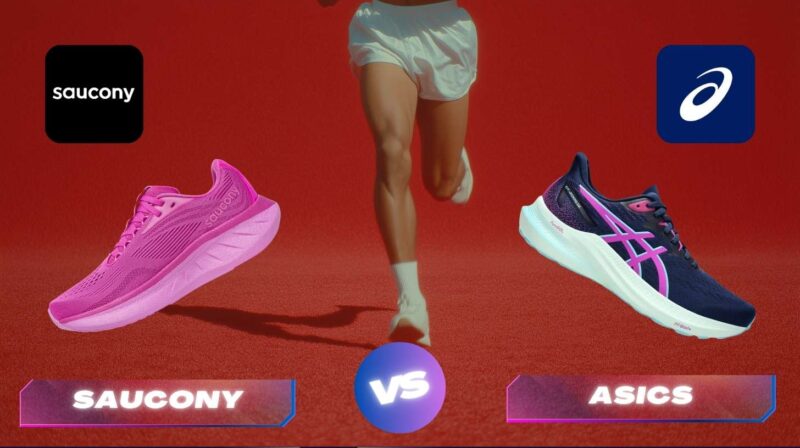
If you’re torn between Saucony and ASICS, you’re not alone. These two running giants dominate the pavement—and the conversation. Whether you’re chasing speed, comfort, or everyday mileage, this breakdown reveals how each brand stacks up. Let’s lace up and dive into the features that truly set them apart.
Saucony vs ASICS Brand Background & Philosophy

Saucony
Saucony’s story began way back in 1898 in Pennsylvania, born just two years after the first modern Olympic Games. That origin alone hints at its legacy in speed and sport. Known for its tech-first approach, Saucony leans into innovation like a sprinter into the curve. From the bouncy PWRRUN foam to the race-ready Endorphin Series, the brand blends performance with polish. Its shoes often feel like jet fuel for your feet—light, energetic, and made to move.
ASICS
ASICS was founded in 1949 in Japan with a guiding mantra etched into its name: Anima Sana In Corpore Sano—”a sound mind in a sound body.” This brand isn’t just about the run; it’s about wellness from sole to soul. Built on science and orthopedic insights, ASICS is a go-to for runners who crave support, structure, and long-distance comfort. It’s especially beloved by overpronators and marathoners looking for consistent, cushioned performance that keeps them in stride—mile after mile.
Technology Comparison
Midsole Cushioning
Here’s where the real magic happens—midsole tech. Saucony packs in PWRRUN, PWRRUN+, and the race-day-ready PWRRUN PB (PEBA foam). These foams deliver a snappy, spring-loaded ride that feels made for tempo runs and personal bests.
ASICS counters with its legendary GEL cushioning and a lineup of modern foams: FF Blast, FF Blast+, and FF Blast Turbo. The result? A plush, controlled experience that cradles your stride with each step.
Key difference: Saucony feels like a slingshot—bouncy and speed-friendly. ASICS leans toward cloud-like comfort and structured support underfoot.
Stability & Support Systems
If your feet need a little more guidance, both brands bring serious tech to the table. Saucony uses subtle GuideRails and smart overlays for a light touch of stability. Think of it as gentle steering rather than strict control.
ASICS, on the other hand, goes deep with biomechanical support: DUOMAX for dual-density correction, Trusstic System for midfoot integrity, and the 3D Guidance Line to guide foot motion. These shoes are built to tame overpronation and keep flat feet happy.
If you need strong motion control, ASICS may be your better bet. For mild guidance, Saucony offers a more natural feel.
Outsole Design
Durability and grip are dealbreakers on the run. Saucony uses XT-900 carbon rubber with segmented crash pads to smooth out transitions and absorb shock where you need it most.
ASICS fights back with AHAR (ASICS High Abrasion Rubber) and the signature Guidance Line that encourages efficient gait cycles. These outsoles shine in wet weather and hold their own on unpredictable paths.
For wet surfaces or mixed terrain, ASICS typically grips better. Saucony’s traction is solid but built more for speed than slop.
Upper Construction
Saucony focuses on comfort that wraps and flexes with your foot using FORMFIT and breathable engineered mesh. It’s streamlined and performance-driven, often hugging the foot like a sock.
ASICS builds its uppers with Jacquard mesh and 3D Space Construction, which adapts to foot strike and improves airflow. These shoes often feel roomier in the toe box and structured around the midfoot.
If you like a snug, second-skin fit—go Saucony. If you prefer structured comfort with space to splay—ASICS takes the win.
Saucony – Favorites
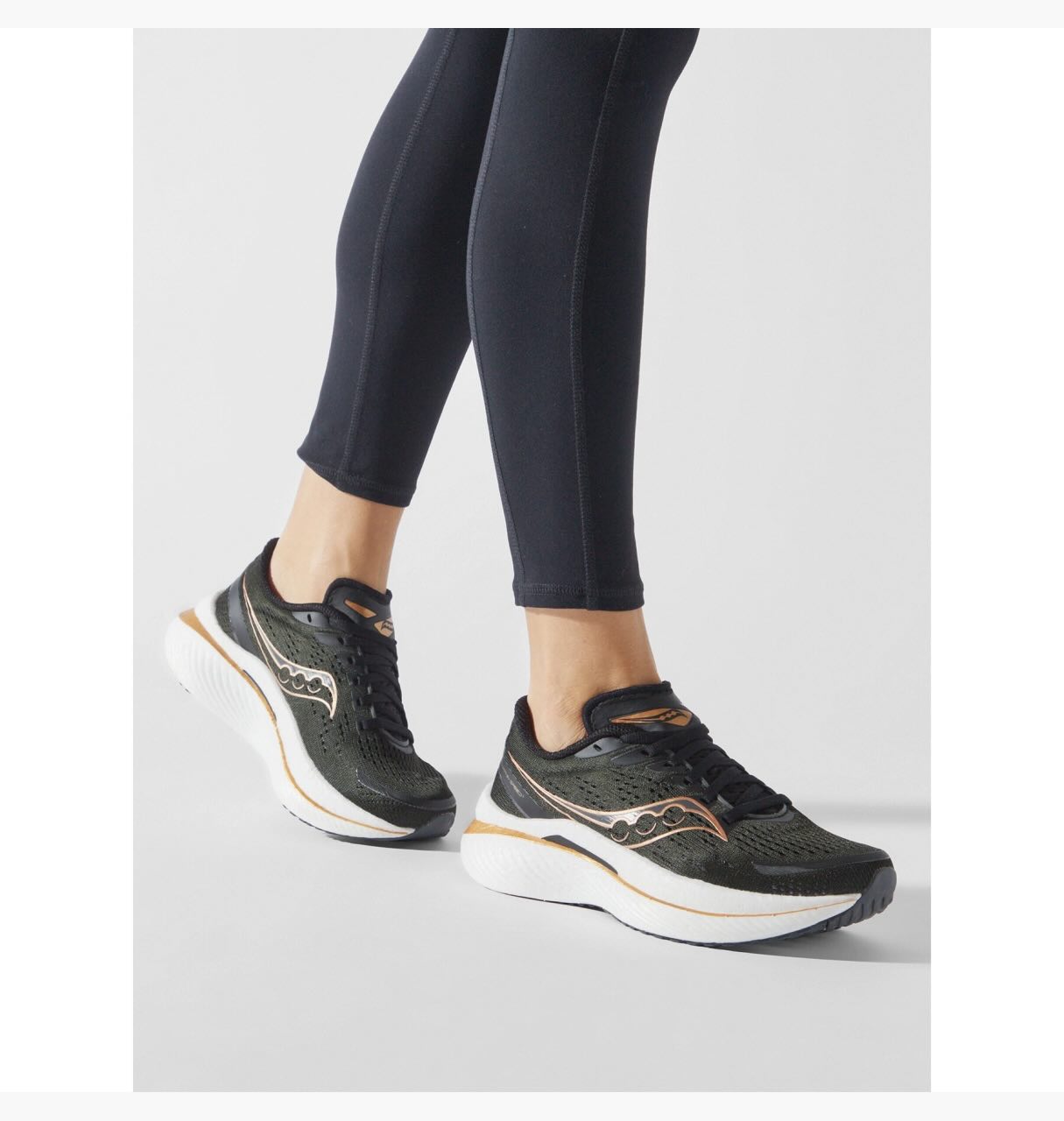
Saucony Endorphin Speed 3
A super-light plated trainer with elite-level responsiveness, ideal for daily speed workouts or race prep. Features a nylon plate and PEBA foam combo.
Support Level: Neutral
Price: $170
Best For: Speed runs, half marathon training, tempo days
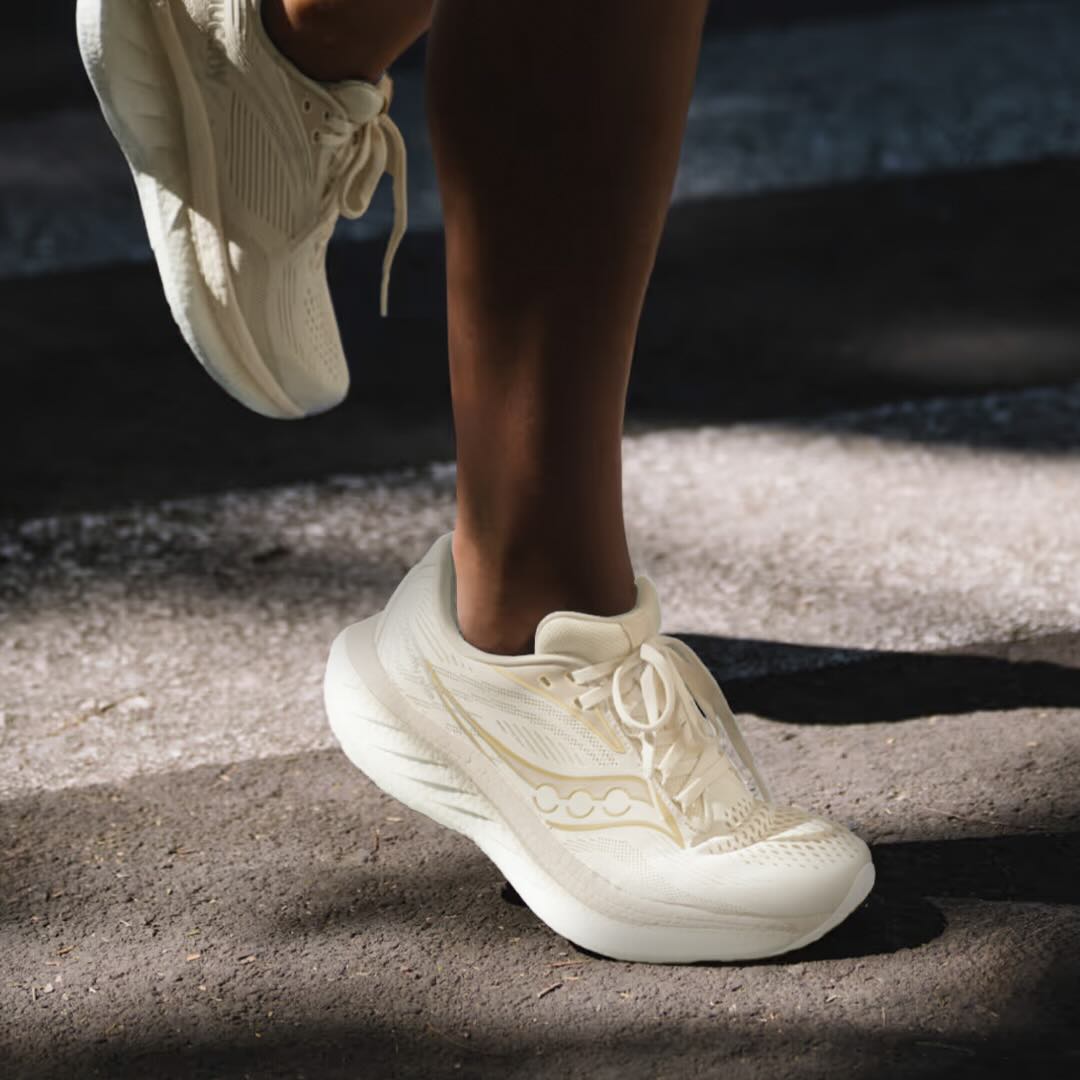
Saucony Ride 18
Versatile, cushioned, and smooth—this daily trainer features PWRRUN foam and FORMFIT mesh for a breathable, secure ride that works for most distances.
Support Level: Neutral
Price: $140
Best For: Everyday miles, treadmill workouts, moderate long runs
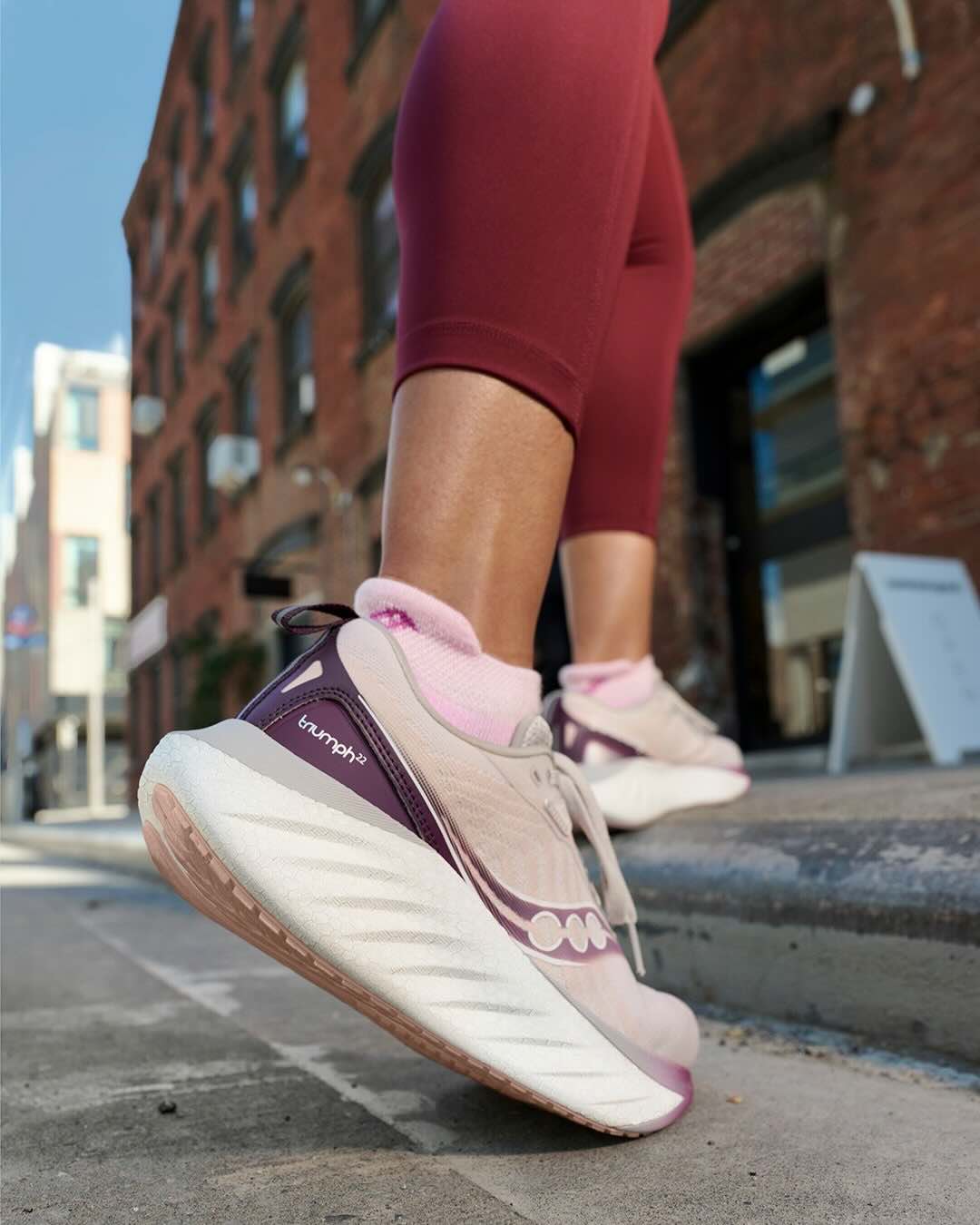
Saucony Triumph 22
This plush max-cushion option features PWRRUN+ for softness without bulk. A luxurious fit and feel perfect for recovery runs or long casual walks.
Support Level: Neutral
Price: $160
Best For: Recovery runs, longer sessions, and comfort-first wear
ASICS – Favorites
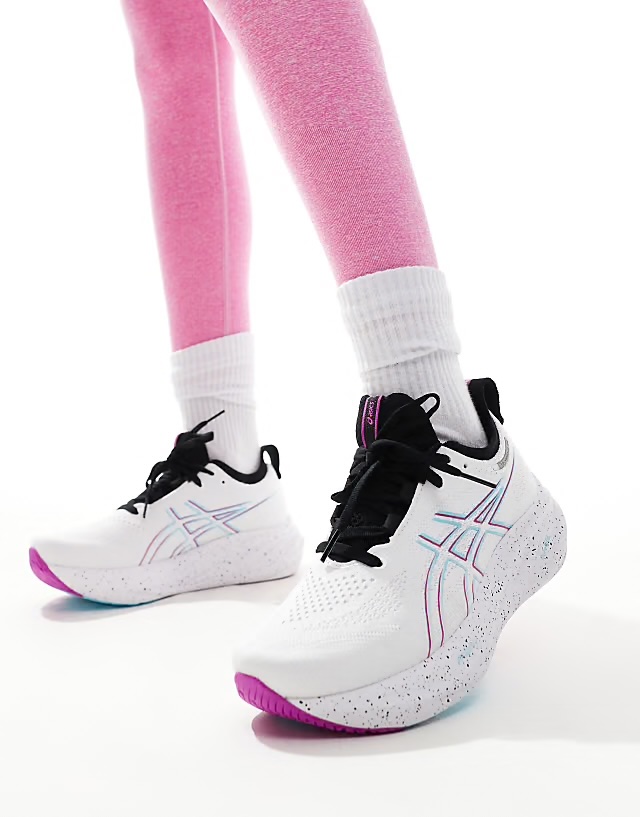
ASICS Gel-Nimbus 26
With FF Blast+ ECO cushioning and updated mesh, this ultra-cushioned classic is ideal for those seeking plush protection for long miles or walking.
Support Level: Neutral
Price: $160
Best For: Daily wear, high-mileage comfort, recovery walks
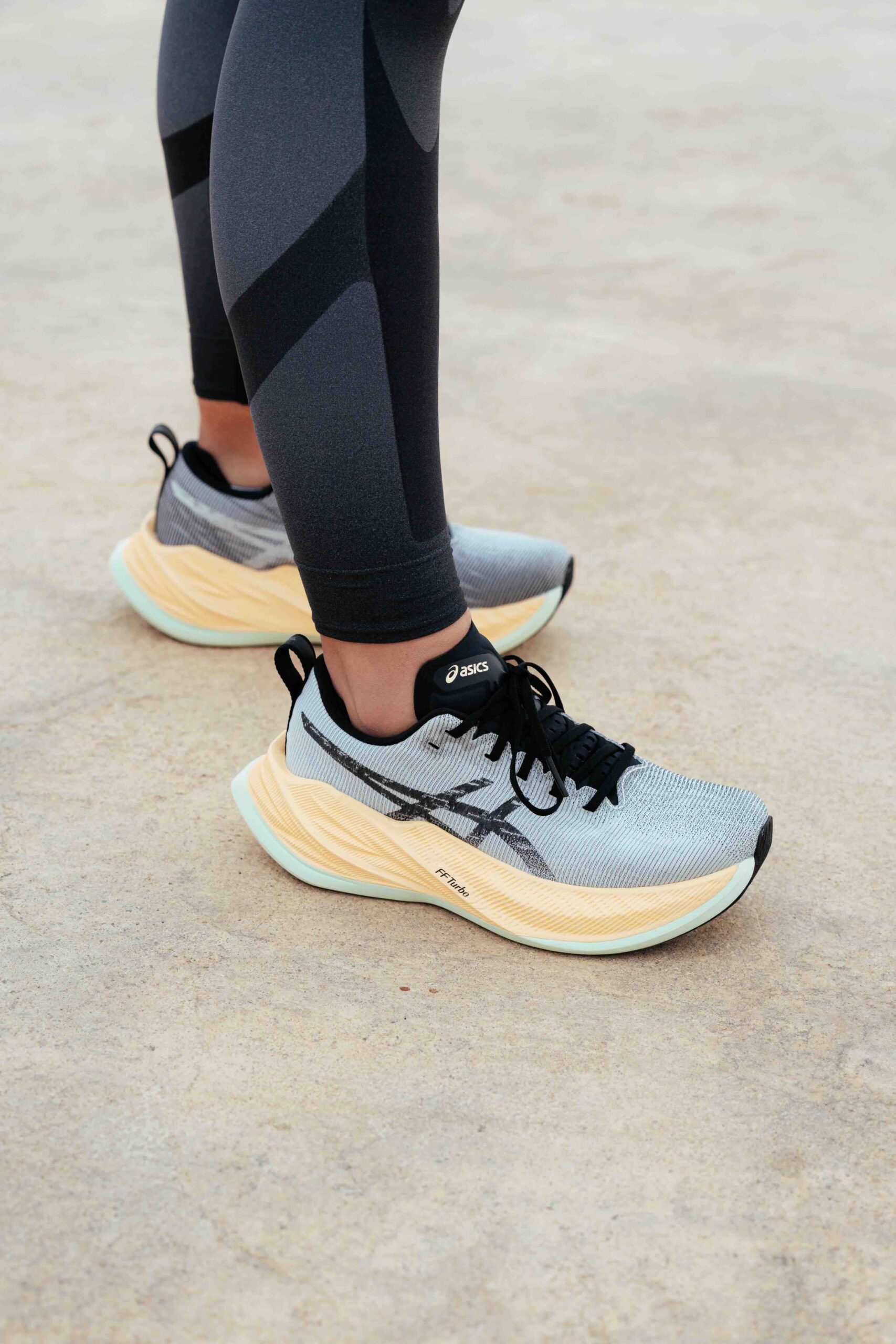
ASICS Superblast
A high-stack, ultra-light trainer with FF Turbo and FF Blast+—designed for runners who want max cushion without weight. Great for long efforts or easy days.
Support Level: Neutral
Price: $200
Best For: Long runs, slower paces, all-day wear
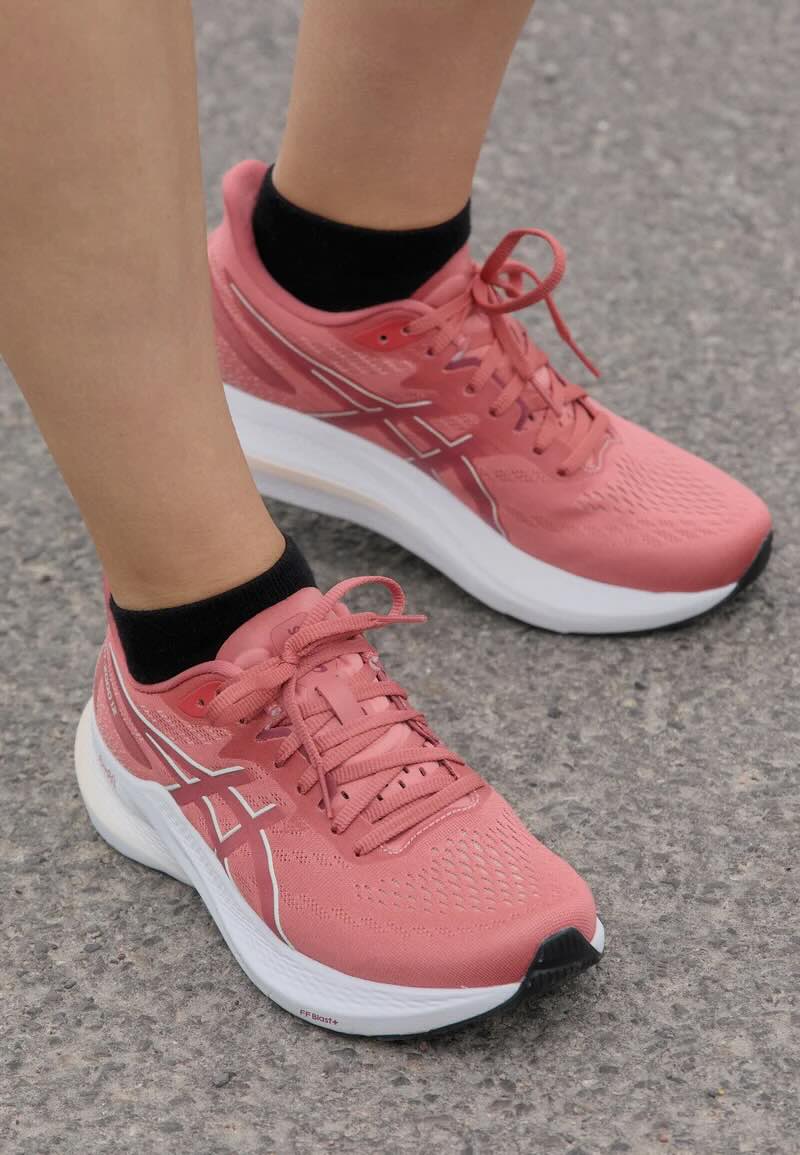
ASICS GT-2000 12
Trusted support with a new softer foam upgrade—great for mild overpronators who want both comfort and stability in one sleek, everyday package.
Support Level: Stability
Price: $140
Best For: Mild overpronation, daily training, walking with support
Fit and Comfort
Sizing Consistency
When it comes to fit, Saucony usually stays true to size, though you might feel a slight hug through the midfoot—great for lockdown, not so much for wide-footed runners. ASICS, however, tends to run a touch small for some users, so half-sizing up isn’t uncommon. The good news? ASICS offers more width options across the board—regular, wide, and extra wide—making it easier to dial in a perfect fit if you need more room to breathe.
In-shoe Feel
Saucony shoes are known for a snug and responsive feel—they wrap your feet like performance gear should, giving you just enough structure to fly. Perfect for runners who like to feel connected to the ground with every push-off.
ASICS, on the flip side, brings a structured and plush experience. You’ll feel cradled, supported, and cushioned—ideal for long recovery runs, everyday miles, or anyone who prioritizes softness over speed.
Bottom line: Saucony keeps things light and locked in. ASICS offers a cushier ride with more room to relax. For tempo runs and responsiveness? Saucony. For recovery days or max comfort? ASICS takes the crown.
Performance & Use Case
Best for Speed
If you’re chasing PRs or prepping for a half marathon, both Saucony and ASICS offer blazing-fast options. The Saucony Endorphin Pro and Kinvara are built with lightweight foam and a rocker shape that delivers high energy return with every toe-off. The carbon fiber plate in the Endorphin Pro makes it a racing weapon for speed demons.
On the ASICS side, the Metaspeed Sky and Noosa Tri are ideal for tempo training and race day. If you’re comparing saucony vs asics running shoes for pure pace, Saucony leans firmer and punchy; ASICS adds cushion without dulling the ride. Either way, they’re among the fastest running shoe brands in the game.
Best for Daily Training
When it comes to everyday miles, cushion and support are non-negotiable. The Saucony Ride and Triumph series deliver a consistent, balanced ride, especially the Saucony Ride 18, known for its smooth transitions and accommodating fit. If you’re looking for a daily driver with higher stack height and solid durability, it’s a great pick.
ASICS responds with the legendary Gel-Nimbus and Cumulus, both offering a plush feel underfoot with their FF Blast midsoles. For runners who overpronate, the structure in these models brings extra confidence on longer runs. Whether you’re training for a marathon or logging base miles, both saucony running shoes and asics running shoes check all the boxes for comfort and longevity.
Best for Stability & Support
Runners needing a supportive ride will find solid options from both brands. The Saucony Guide 18 (often praised in any Guide 18 review) provides structured guidance for mild overpronators without feeling stiff. The Tempus adds a touch of bounce with built-in stability for more dynamic runs.
ASICS dominates this category with the GT-2000 and Kayano line—especially the ASICS Gel-Kayano 31. These asics shoes use dual-density foams and a firm heel counter to correct gait while staying comfortable. If you’re deciding between saucony vs asics for stability, ASICS offers more corrective structure, while Saucony delivers smoother control for neutral runners needing a nudge.
Best for Trail Running
For the rugged routes, Saucony models like the Peregrine and Xodus bring serious traction with their aggressive lugs and rock plates. They’re built for technical terrain with just enough flex for natural foot movement. Runners who enjoy a natural running shoe feel will love the ground connection these trail beasts provide.
ASICS offers solid trail-ready picks too. The Gel-Trabuco and Fuji Lite balance grip, cushion, and stability for moderate to rough conditions. If you’re comparing asics and saucony shoes for trail, Saucony leans lighter and nimbler; ASICS leans softer and more protective. It’s a matter of preference—and terrain.
Best for Walking or Casual Use
Not every runner needs race-day speed. For walking, work, or all-day wear, both brands bring comfort. The Saucony Omni and Ride 18 are top picks for anyone looking for a well-cushioned shoe that doesn’t overdo it. Based on many ride 18 review posts, this model walks the line between performance and all-day ease.
ASICS hits back with the Gel-Contend and Gel-Excite—two asics and saucony competitors that offer similar features and models for under $100. If you’ve got wide feet or need comfort and support for errands, these models are solid without breaking the bank. They’re also great for people looking to replace running shoes without jumping into marathon-level gear.
Durability & Lifespan
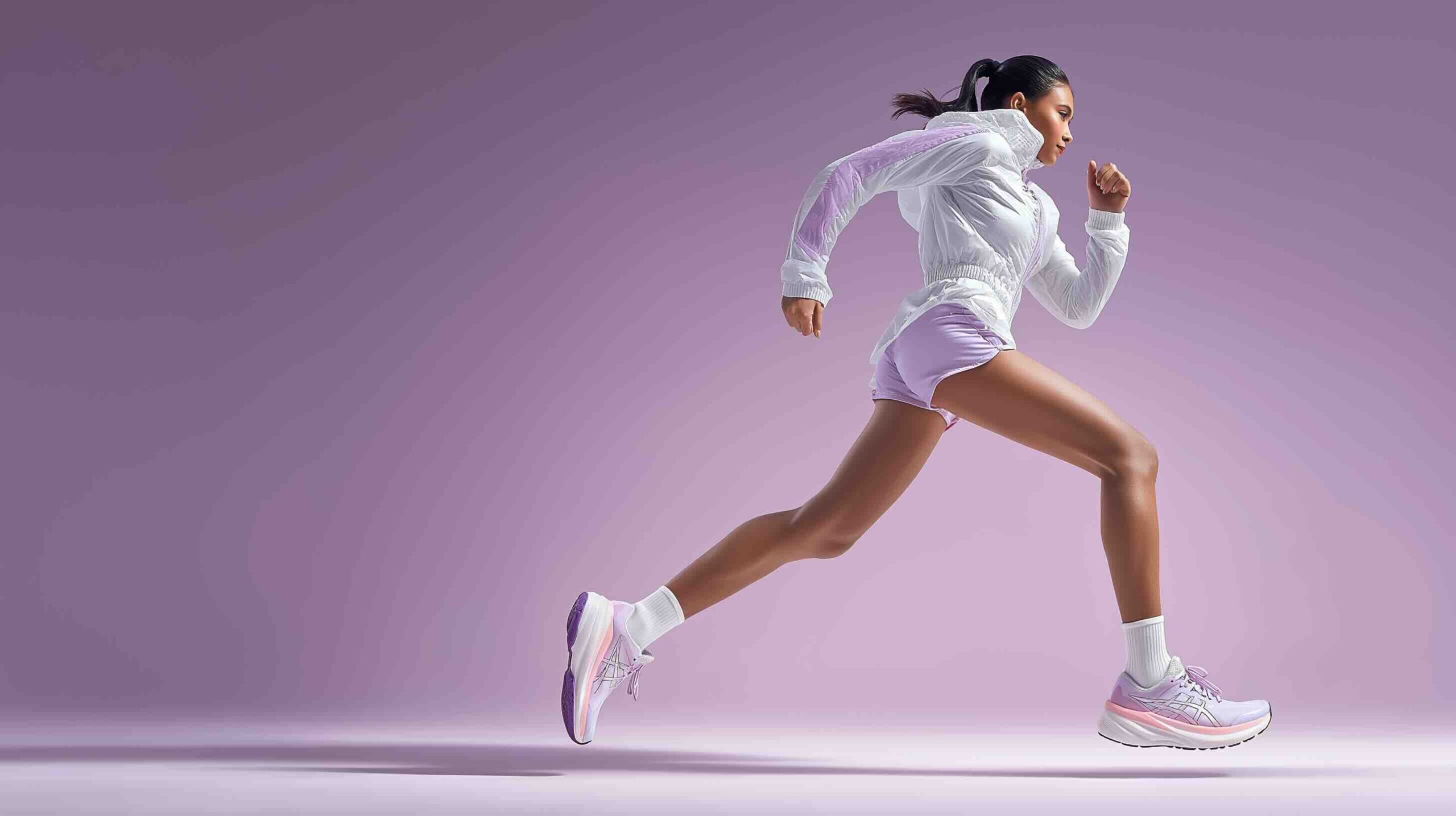
When it comes to durability, both Saucony and ASICS hold their ground—but in different ways. For many runners, durability comes down to three key things: outsole wear, midsole compression, and upper breakdown. And that’s where small differences start to show.
Saucony running shoes usually hold up well for 300 to 400 miles, especially models like the Saucony Ride 18 or Guide 18. The XT-900 rubber used in the outsole is tough, but midsole foam can start to lose bounce sooner—especially in high-mileage training cycles or on harder surfaces. If you’re running in a firmer daily trainer, expect longer life than a softer, race-day model.
ASICS running shoes are often praised for lasting longer—usually around 350 to 500 miles. Their AHAR outsole rubber is ultra-durable, and the cushioning systems like FF Blast or GEL show slower breakdown over time. That makes ASICS a smart choice for longer runs or heavier runners who want more mileage before needing to replace running shoes.
As for the upper, Saucony’s FORMFIT mesh is breathable and lightweight, but can show wear near flex points if you’re logging big weekly miles. ASICS tends to use more layered, structured uppers like Jacquard mesh, which may feel warmer but holds up well across seasons.
Both brands offer similar warranty policies—typically 30 to 60 days—and have responsive customer support. That said, ASICS often edges out with more global service coverage and quicker returns, especially on defect issues.
Bottom line: If you’re hard on your shoes, ASICS might last longer in terms of cushion and outsole. But Saucony keeps up well, especially if you rotate pairs or run lighter weekly mileage.Style & Aesthetics
When it comes to how a running shoe looks—and not just how it feels—Saucony vs ASICS brings very different vibes to the street and the track. Whether you’re picking your next pair for marathon miles or sidewalk style, the visual appeal matters more than most runners admit. Saucony leans bold. From the neon accents on the Saucony Endorphin Speed to the sleek, athletic silhouettes of the Saucony Ride 18 and Triumph 22, these shoes pop. Colorways range from gradient fades to loud contrast blocking—especially in lifestyle collaborations. For runners who want modern form to meet high-performance function, saucony running shoes stand out in both race photos and casual wear. ASICS plays a different tune—more understated, more traditional, and often more conservative. Think clean lines, simple tones, and heritage cues. Models like the ASICS Gel-Kayano 31 and ASICS Superblast 2 cater to runners who value legacy performance wrapped in a classic package. These designs may not scream, but they never go out of style. That said, both brands have flirted with fashion collabs. Saucony partnered with designers and sneaker boutiques to create limited-edition drops, blurring the line between cushioned shoe and collector’s item. ASICS joined the game too—subtly—often linking up with Tokyo-based labels to enhance their streetwear cred without straying from core performance. So, if your running style mirrors your fashion taste, here’s the split: Saucony serves flash, edge, and youth appeal—especially across saucony models like the Saucony Guide 18 and Triumph. ASICS leans into sport-meets-subtle—perfect for those who want their running experience to stay grounded in legacy over trend. In a sea of shoe brands like HOKA, New Balance, and Brooks, both ASICS and Saucony continue to deliver shoes that look as good as they run. It’s less about picking “the best looking” and more about matching your personal aesthetic with your performance goals. Final thought: Whether you’re going for a performance edge with a bold colorway or seeking a minimalist look with function at its core, comparing Saucony vs ASICS isn’t just about tech—it’s also about what speaks to your style on and off the pavement. Let’s talk dollars—because choosing between Saucony vs ASICS often comes down to what you’re paying for. Both brands offer a wide range of running shoes for beginners, daily trainers, and serious racers. But how do the price tags stack up? Entry-level shoes from Saucony—like the Saucony Guide or Ride 18—often start around $110 to $130. These models offer plenty of comfort, decent foam quality, and long-term value. If you’re reading a ride 18 review or a guide 18 review, you’ll notice the theme: solid performance at a reasonable price. ASICS running shoes start in a similar range but creep higher fast, especially in the stability category. Shoes like the ASICS Gel-Kayano 31 or Superblast 2 can run anywhere from $150 to $220 depending on features. The extra cost often reflects added tech—like advanced midsole stacks, TPU heel plates, or motion control systems for runners who overpronate. At the premium tier, both brands deliver carbon-plated super shoes: the Saucony Endorphin Speed and ASICS Metaspeed series. These models bring high energy return, aggressive rockers, and race-day responsiveness—but they’ll cost you $160 to $250 depending on the model. Compared to other shoe brands like HOKA, Brooks, or New Balance, they’re competitively priced for the performance they pack. So, are they worth it? For most runners, yes. Saucony running shoes give you excellent bounce for your buck, especially in daily trainers like the Triumph 22. ASICS adds value with tech-heavy support models that justify the bump in cost. If you’re on a budget, Saucony gets you in the game. If you need premium support and durability, ASICS earns its price tag. Either way, whether you lean ASICS or Saucony, you’re paying for years of biomechanical engineering—and that’s always a better deal than buying “just another” shoe. When comparing Saucony vs ASICS, real-world feedback can reveal what specs can’t. Whether it’s a marathon finish line or a casual training run, runners are vocal about what works—and what doesn’t. This section brings together opinions on saucony running shoes and asics running shoes across forums, reviews, and social media platforms. Standout praise: Saucony fans rave about smooth transitions, breathable uppers, and modern silhouettes. The Saucony Endorphin Speed is especially popular among racers for its lightweight design and impressive energy return compared to other carbon-plated shoes. Common complaints: Some Saucony models run narrow in the midfoot, and durability on softer foam options can be hit-or-miss. Several runners noted the eva foam used in older models compressed too quickly under heavier mileage. Standout praise: ASICS is loved for lasting durability, excellent arch structure, and comfort over long distances. Their stability shoe lineup often wins over runners with wide feet or overpronation issues. Common complaints: Some runners feel the weight of ASICS shoes can slow them down, especially when comparing the asics vs saucony running experience. A few mentioned sizing inconsistency, though newer models tend to run true to size. Reddit & Social Media Highlights: On Reddit, users often pit HOKA vs Saucony or Saucony or ASICS running shoes for daily training. Instagram leans toward Saucony for aesthetics and colorways, while seasoned marathoners often shout out ASICS and Saucony as “great shoes no matter which one you pick.” One post nailed it: “If you like aggressive rockers and modern feel, go Saucony. If you want consistent comfort, ASICS is still king.” Whether you’re doing a specific model comparison like the Saucony Ride vs ASICS Gel-Cumulus or considering value at 150 for shoes, reviews show both brands offer top-tier choices. It’s all about matching your foot type, pace, and training plan. In the end, this isn’t about crowning a single winner—it’s about recognizing that these two brands excel in different lanes. One leans toward energetic, sleek performance, while the other prioritizes plush support and long-haul reliability. It’s less a head-to-head fight and more like choosing between finesse and function, depending on your needs. If you’re chasing personal records, reach for the pairs built for speed and bounce—those that deliver explosive energy return with every toe-off. For everyday mileage and comfort-first outings, there’s a clear benefit in choosing models known for consistency, cushion, and time-tested stability features. Here’s the breakdown: If you’re still on the fence, try testing both in person or order from retailers with free returns. Foot shape, stride, and training goals vary—so one brand may feel like a glove while the other doesn’t quite click.Price Comparison
Real-User Feedback & Reviews

What Runners Say About Saucony
What Runners Say About ASICS
Final Verdict