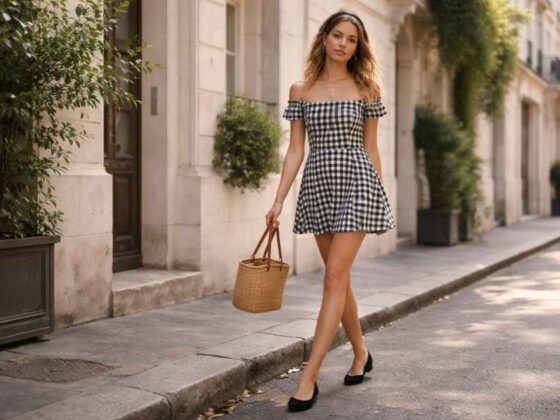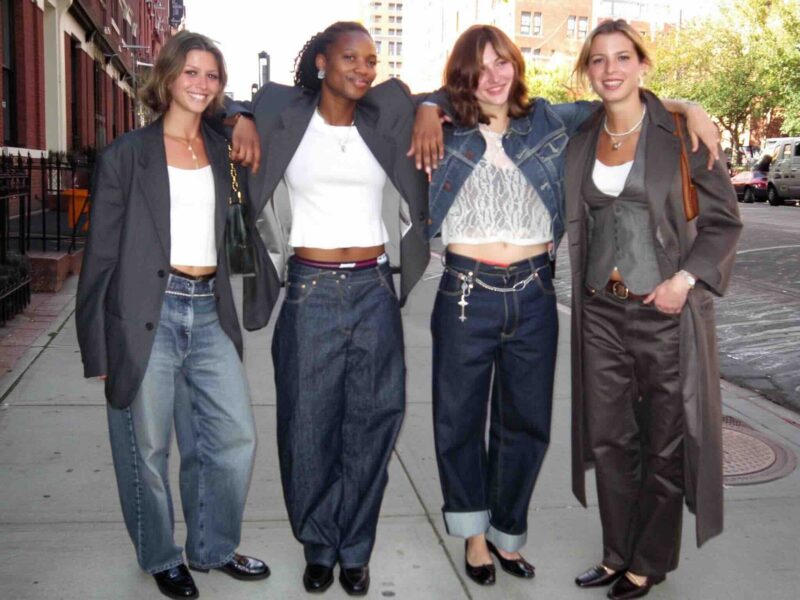
Gender-fluid fashion in 2026 feels more intelligent than the old unisex formula. It is no longer enough to print “for everyone” on a boxy hoodie and call it progress. The strongest labels are thinking about drape, rise, shoulder line, chest room, hip ease, inseam options, and how a garment moves on different bodies. That is the real shift. The clothes are less interested in declaring a side and more interested in giving the wearer range.
I see that change most clearly in tailoring, shirting, underwear, and workwear. The best pieces do not flatten identity. They leave room for it. That is why gender-fluid dressing matters now: it answers a practical problem as much as a cultural one. People want clothes that feel honest, not prescriptive, and they want brands that understand inclusive design as pattern cutting, not just marketing.
Why Gender-Fluid Fashion Matters in 2026
The conversation has matured. Earlier waves of gender-neutral fashion often leaned on oversized basics, streetwear, or deliberately blank styling. Useful, yes. But sometimes a bit lazy. In 2026, the interesting work happens in the details: a blazer that sits neatly without forcing a sharp hourglass or a traditional men’s block; trousers with enough seat and thigh room without collapsing into shapelessness; knitwear that skims rather than clings.
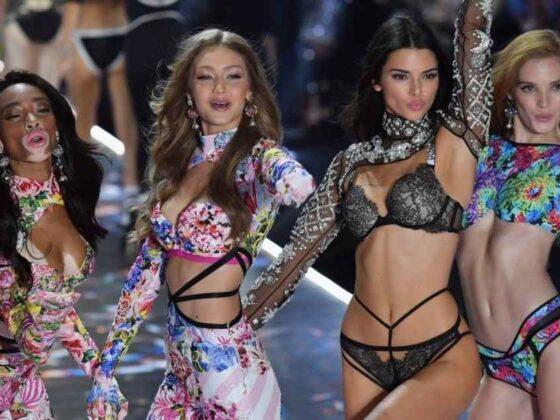
Runway styling has helped, too. Soft tailoring, sheer layers, jewelry worn across dress codes, and a freer mix of skirts, trousers, suiting, and sportswear have all made the old “his” and “hers” split feel increasingly stiff. Recent seasons have also kept attention on the gap between styling freedom and true size inclusivity, which is exactly where the best non-binary fashion trends are becoming more useful.
I still own a charcoal hopsack blazer that has lived three different lives with me. In my twenties, I wore it too big over striped tees. In my thirties, I cinched it over a slip. Now I throw it over straight-leg jeans and let the elbows shine a little. Good clothes age with the wearer. Better still, they become less categorical over time.
A Brief History of Gender-Fluid Style
The history of gender-fluid style is older than any current hashtag. Fashion has always borrowed, crossed, and contradicted itself. In the 1920s, straight, androgynous silhouettes and cropped hair offered one version of modernity. In the 1970s, designers such as Rudi Gernreich pushed the idea of genderless clothing more explicitly, using shape and surface to reduce the usual visual cues. Black dandyism, too, remains essential to this story: tailoring as self-definition, elegance as resistance, dress as authorship.
That history matters because it corrects a common mistake. Gender-fluid fashion is not a novelty. What is new is the broader retail language around it, and the growing demand for fit systems that actually support it. The point is not to erase fashion history, but to notice that breaking fashion norms has long been part of fashion’s own tradition.
The Non-Binary Fashion Trends Shaping 2026
1. Relaxed tailoring with intention
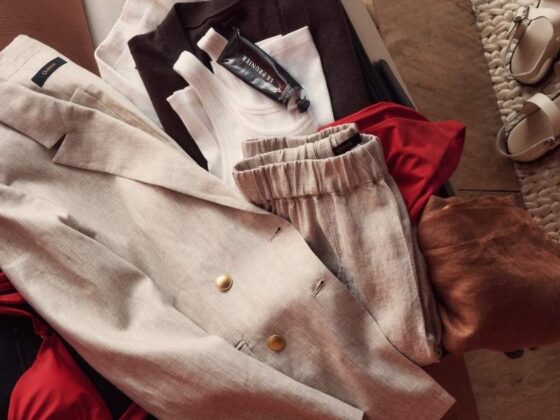
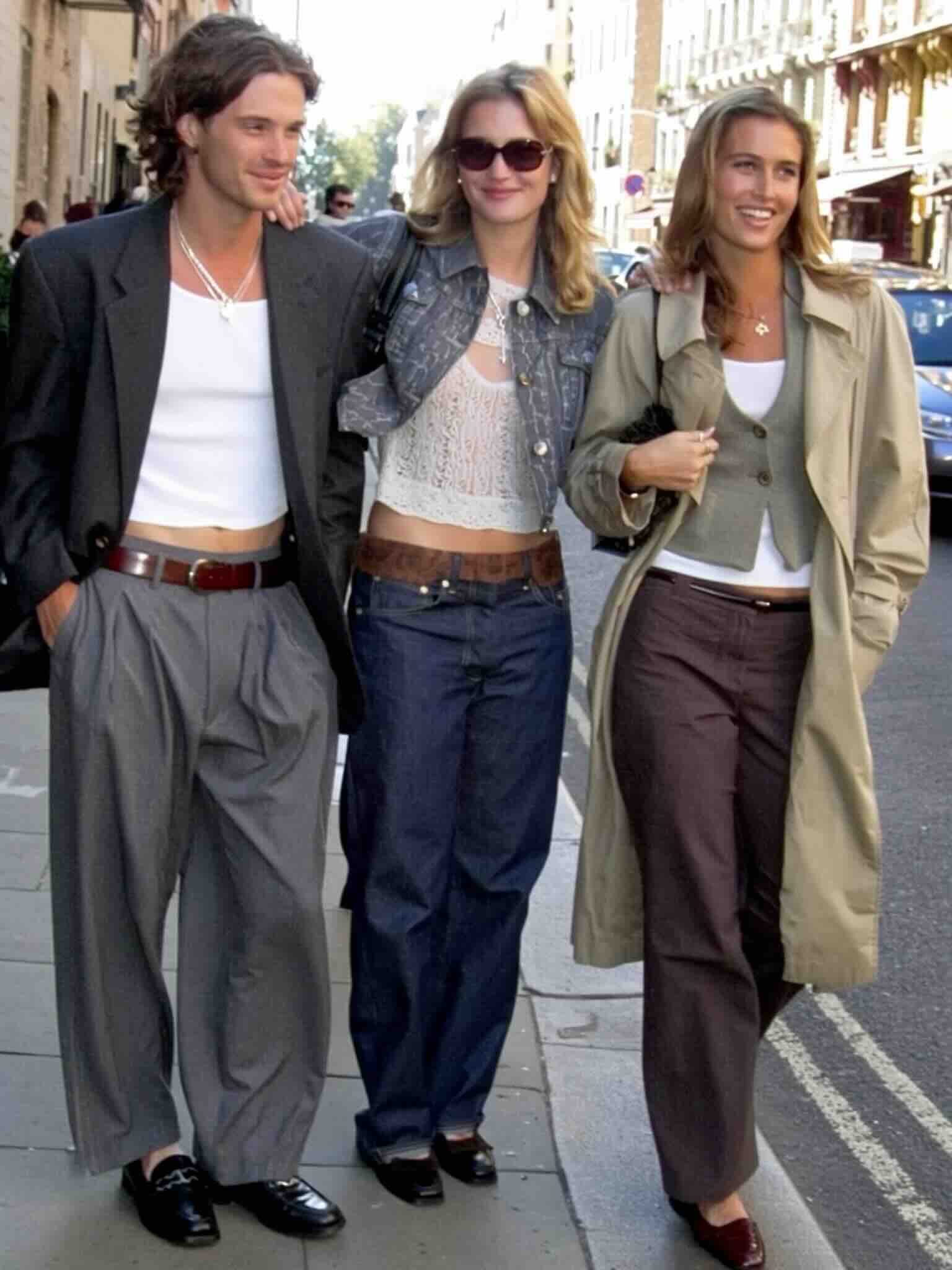
The new suit is neither aggressively sharp nor cartoonishly oversized. Think softer shoulders, fuller legs, slightly longer jackets, and fabrics with movement: tropical wool, washed twill, ponte, brushed cotton, lightweight crepe. These clothes hold shape without turning rigid. That balance matters.
2. Gender-neutral silhouettes with adjustable details
Elastic backs, tab waists, deeper hems, two-way zips, drawcords, and layered waistbands are doing more of the work. The smartest gender-neutral silhouettes are adjustable rather than generic. They allow one piece to sit differently depending on the wearer’s proportions and mood.
3. Sheer, soft, and decorative elements used without apology
One of the most appealing developments is that fluid dressing no longer has to default to austere minimalism. Sheer knits, pearl jewelry, trim cardigans, mesh layers, and silk scarves are showing up alongside suiting and utility pieces. The result is less “borrowed from the boys” and more “chosen on purpose.” Much better.
4. Workwear and sport as a shared wardrobe
Coveralls, carpenter pants, rugby tops, track jackets, chore coats, and heavy tees still matter, but they are being styled with more nuance. A boxy chore jacket over a rib tank and pleated trouser reads different from the same jacket over cargos. Context is everything.
5. Color with conviction
Not all gender-fluid dressing has to live in black, navy, olive, and grey. Some of the most convincing labels use tomato red, acid yellow, powder blue, aubergine, and grassy green with complete ease. Color is not a gender signal unless you decide it is.
7 Unisex Clothing Brands in the USA Worth Knowing in 2026
Telfar
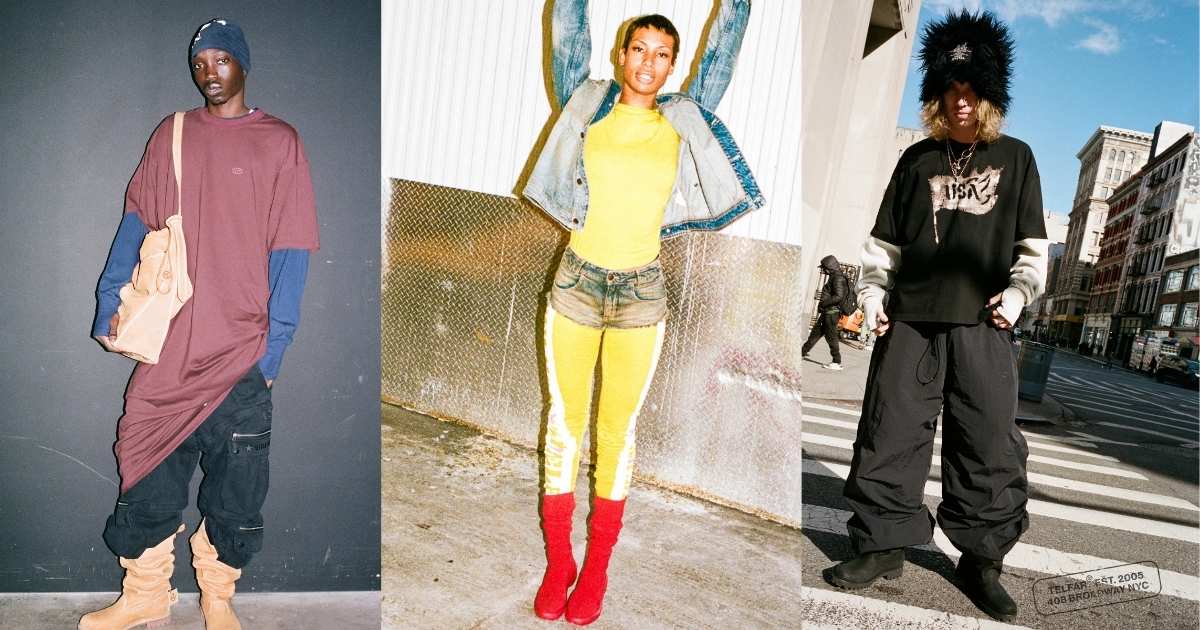
Telfar remains one of the clearest examples of a brand refusing the old categories outright. The New York label describes itself as a unisex line, and its appeal lies in that sense of open access. The famous bags draw the headlines, but the track jackets, pants, jumpsuits, and skirts are where the styling freedom becomes especially useful. Wear Telfar when you want your wardrobe to feel like a system rather than a department.
Wildfang
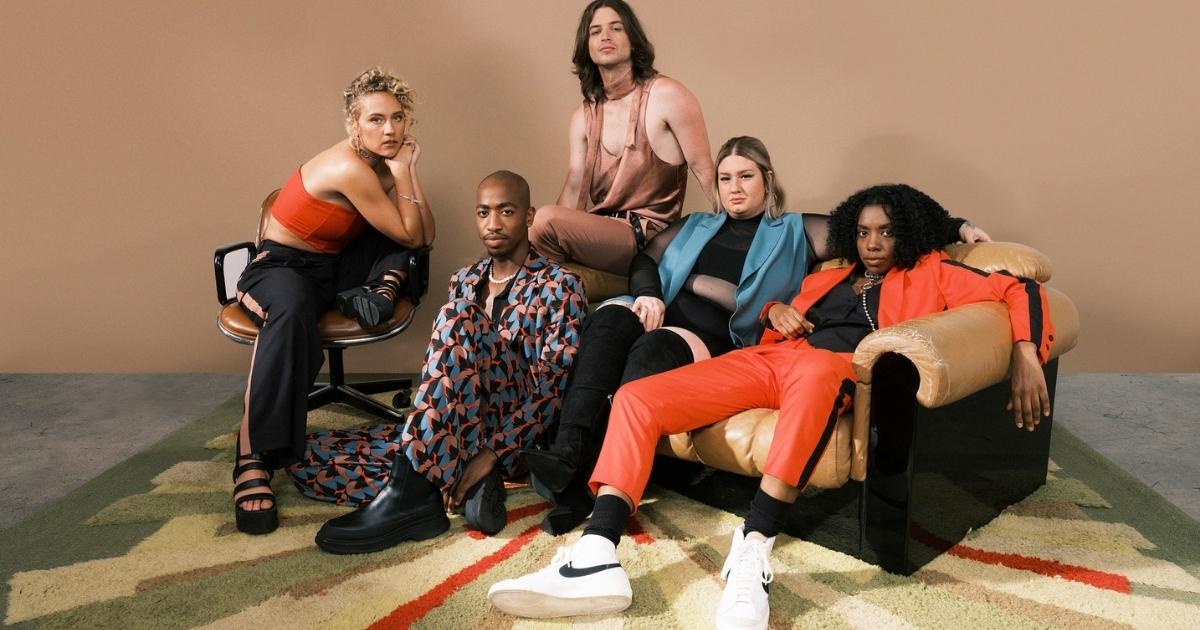
Wildfang is especially strong if you want suiting, reworked workwear, and a crisp androgynous look without fuss. It is queer- and women-founded, and the fit information is refreshingly practical, with detailed product measurements and extended sizing on many core pieces. Its blazers, trousers, vests, and jumpsuits are particularly good for anyone who wants polish without sacrificing ease through the hip or shoulder.
Big Bud Press
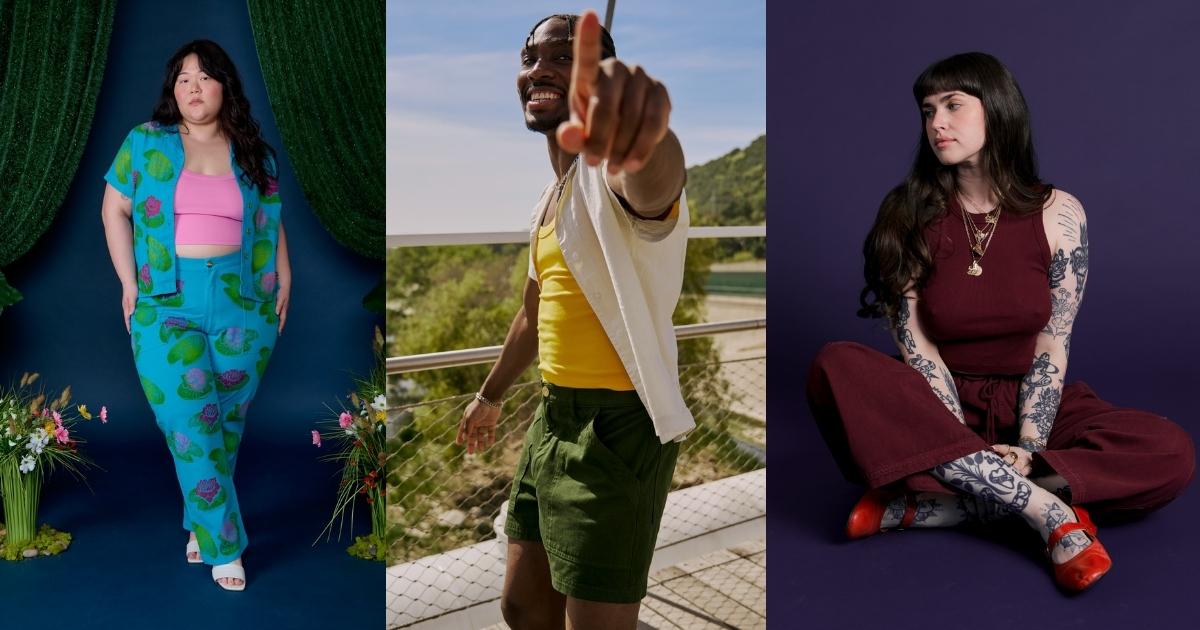
Los Angeles-based Big Bud Press has built a loyal following through saturated color, sturdy everyday fabrics, and genuinely useful fit guidance. The brand describes itself as unisex and specializes in easy pants, work shirts, jumpsuits, and soft knits that feel cheerful rather than neutralized. This is a smart place to shop if you like utility shapes but do not want them to look grim.
Kirrin Finch
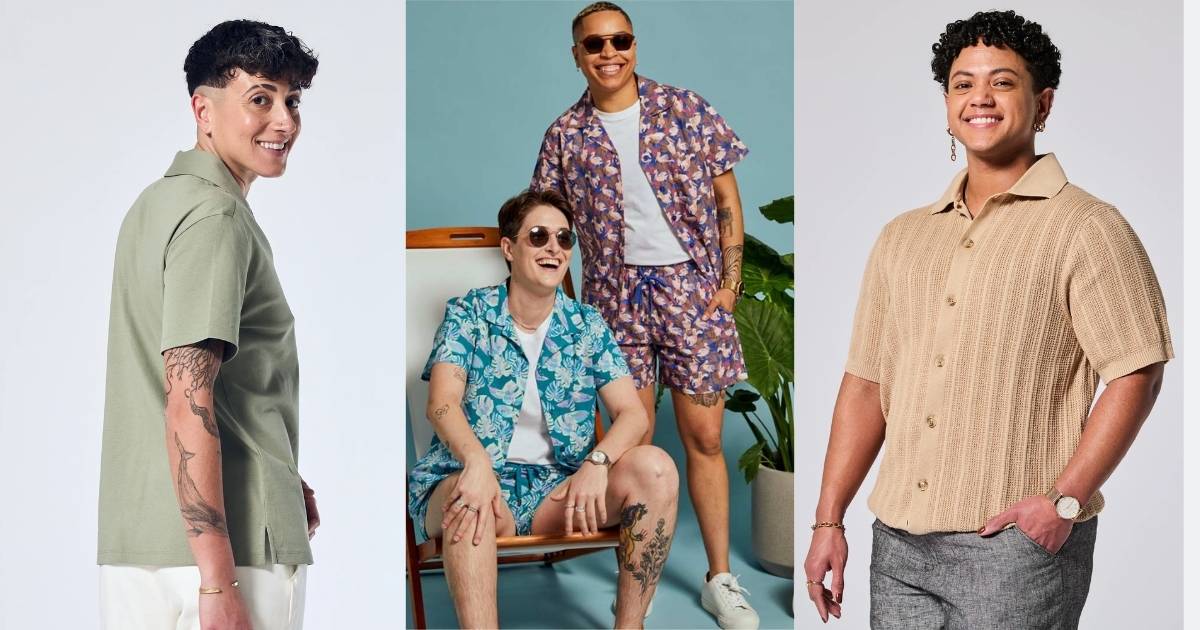
Kirrin Finch has long understood that many shoppers want menswear codes without a standard menswear block. Its shirts, suiting, knit polos, and outerwear are designed with women, trans, masc, and non-binary wearers in mind. That makes it especially helpful for people who love traditional shirting and tailoring but often find the proportions in men’s departments too long, too broad, or oddly placed through the chest and hip.
TomboyX
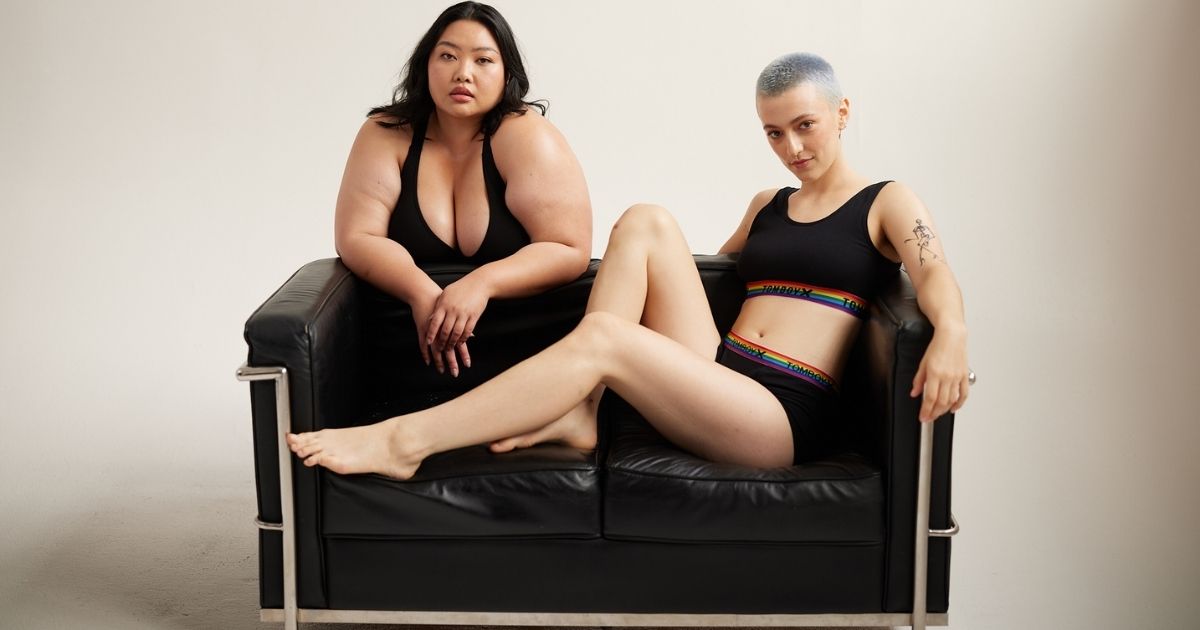
TomboyX is less about statement dressing and more about the infrastructure of daily wear, which is just as important. The label is strong on underwear, compression tops, swim, loungewear, and soft basics, and its fit guide is one of the clearer ones on the market. If you are building a gender-fluid wardrobe from the inside out, start here. Foundation pieces change how everything else sits.
Official Rebrand
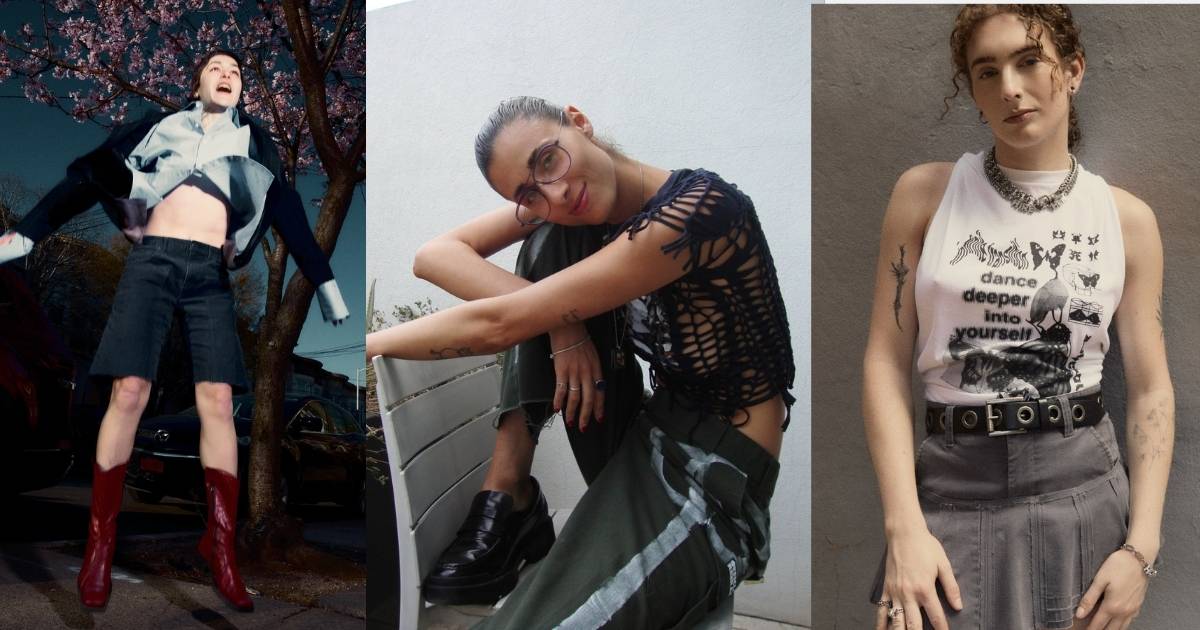
Official Rebrand offers a more artful answer to the question. Its non-binary button shirts and upcycled pieces have personality, and that matters because not every gender-fluid wardrobe wants to look clean-lined and corporate. This is a label for people who like one-offs, texture, irony, and clothes that carry a visible point of view.
Stuzo Clothing
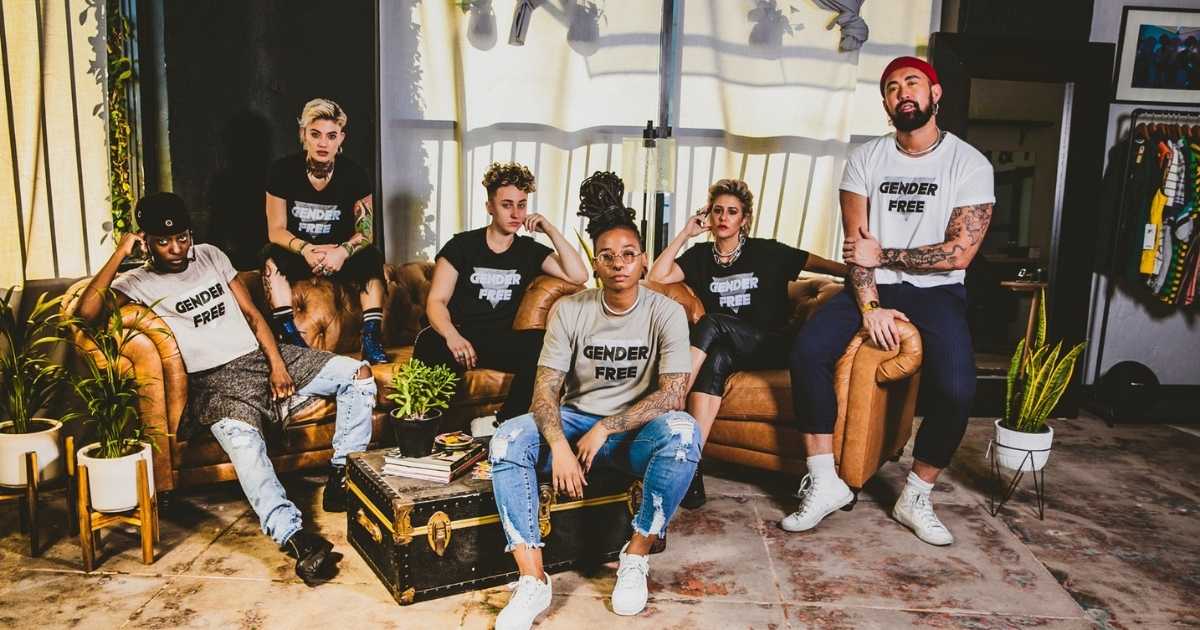
Stuzo approaches gender-free dressing with bold graphics, expressive color, and a strong sense of identity. You will find tees, hoodies, joggers, tailored pants, jackets, and accessories that feel less like wardrobe basics and more like public declaration. For anyone bored by the idea that inclusive fashion must be beige and quiet, Stuzo is an excellent corrective.
How to Shop Inclusive Fashion Sizing Guides Without Losing Your Mind
This is the unglamorous part, but it matters. Inclusive fashion sizing guides are often the difference between liberation and a returns label.
- Start with garment measurements, not your usual size. Big Bud Press is notably clear about mixing suggested body measurements with actual garment measurements. That is useful because different fabrics behave differently.
- Look for product-specific charts. Wildfang does this well, especially in suiting. A blazer size chart should not be treated like a trouser size chart. Obvious, yet often ignored.
- Notice brands that rethink sizing from scratch. Even outside explicitly non-binary labels, brands such as ONE BONE show how much easier shopping becomes when a brand builds a new size system around real fit issues instead of clinging to old standards.
- Read the measuring instructions. TomboyX is good here, guiding shoppers through chest, underbust, waist, and hip measurements rather than assuming a single number tells the whole story.
- Pay attention to rise, torso length, and shoulder width. These are often more important than the label on the tag.
In practical terms, fuller chests often need extra front length and button placement that reduces pulling. Curvier hips benefit from pleats, elastic inserts, or a wider straight leg rather than a tight taper. Broad shoulders usually look better in softer construction unless you actively want drama. Shorter frames tend to do well with cleaner hems and less pooling at the ankle. None of this is about rules. It is about proportion.
How to Build an Androgynous Look That Still Feels Personal
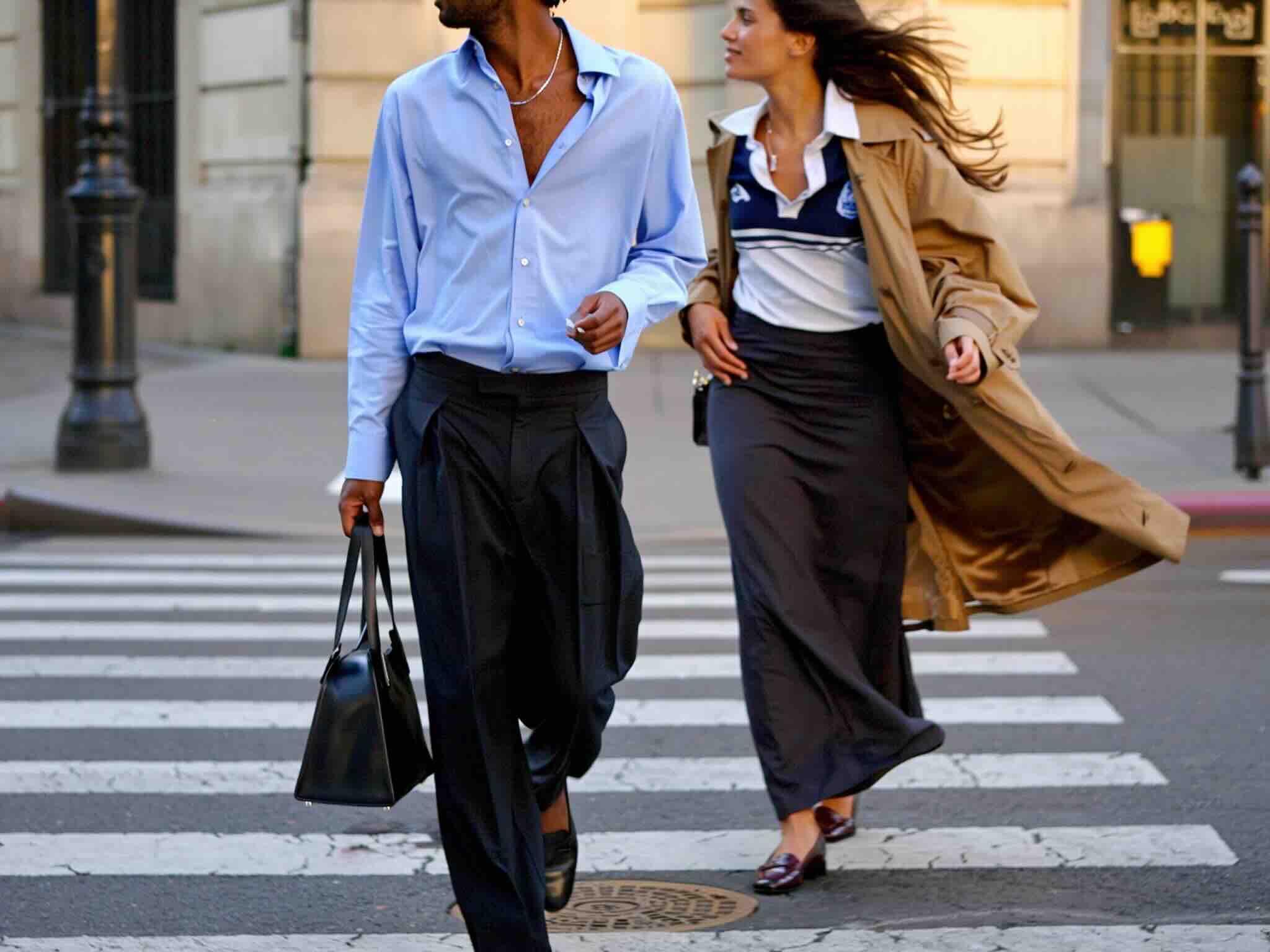
The androgynous look works best when you treat it as proportion play, not costume. You are balancing line, weight, and texture. That is all.
- Formula one: boxy poplin shirt, rib tank, pleated trouser, loafers, fine chain, soft trench.
- Formula two: oversized blazer, sheer knit or mesh layer, straight jean, ankle boot, structured bag.
- Formula three: rugby shirt, full midi skirt or wide trouser, sporty sock, polished flat.
- Formula four: fitted vest, relaxed carpenter pant, leather belt, silver hoops, heavy cotton jacket.
If you are new to it, keep one element crisp. That might be a clean waistband, a proper shoulder seam, or a shoe with some authority. Fluid dressing becomes muddled when every piece is oversized, every fabric is slouchy, and every hem is vague. A little structure is what makes softness sing.
Budget-Friendly, Mid-Range, and Investment Ways In
You do not need to rebuild your closet in one dramatic sweep. Start where the wear is highest.
Budget-friendly: begin with underwear, tanks, tees, and one trouser shape that you know works. TomboyX and The Phluid Project are sensible starting points, and resale is particularly good for shirting, chore jackets, and oversized suiting.
Mid-range: this is where Wildfang, Big Bud Press, and Kirrin Finch become especially persuasive. One good shirt, one trouser, and one jacket can create a great many outfits.
Investment: spend more where cut and repeat wear justify it. A Telfar bag, a beautifully balanced suit, or an expressive upcycled piece from Official Rebrand will earn its place if it works across several moods and seasons.
Care and Longevity
If you want these clothes to stay useful, be fussy in the right places. Wash heavy jersey, poplin, and cotton twill inside out. Steam tailoring rather than pressing it flat into submission. Rehang trousers from the hem so the crease settles naturally. Repair loose buttons before they become missing buttons. And tailor with a light touch: sleeve length, hem depth, and waist placement matter more than dramatic remodelling.
Fabric choice also affects longevity. Mid-weight cotton poplin, wool twill, ponte, dense jersey, and washed denim tend to keep their shape and wear well. Very flimsy synthetics often look tired too quickly, especially in oversized cuts where every pull and twist becomes visible.
FAQ
What is the difference between unisex and gender-fluid fashion?
Unisex usually means a garment is sold to everyone. Gender-fluid fashion goes further. It considers styling freedom, fit flexibility, and the idea that clothing does not need to sit inside a fixed masculine or feminine script.
How do I find a gender-neutral silhouette that suits my body?
Ignore the label first and study the line. Check shoulder placement, rise, front length, and fabric weight. The best shape is the one that gives definition where you want it and ease where you need it.
Can gender-fluid fashion still look polished for work?
Very much so. Start with suiting, clean shirting, fine knit layers, straight or wide trousers, and good shoes. The trick is not to make everything oversized at once.
Where should I start if I want to try it without spending much?
Start with one pair of trousers, one shirt, and better base layers. That is usually enough to shift the whole tone of a wardrobe.
The Takeaway
The most interesting gender-fluid fashion in 2026 is not trying to make everyone dress the same. Quite the opposite. It is making more room for specificity: different bodies, different proportions, different signals, different moods. That is why these brands matter. They are not simply removing labels. They are building better clothes.
And really, that is the goal. Not neutrality for its own sake. Just a wardrobe with more freedom, more precision, and fewer tired rules attached.