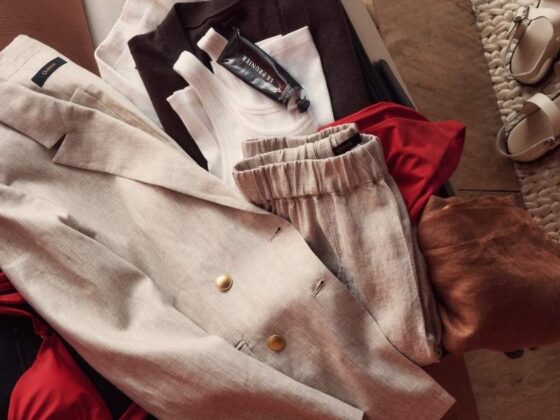
For nearly two decades, ASOS has held a peculiar grip on the wardrobes of Gen Z and millennials worldwide, including American consumers. It’s the place where you can hunt down vintage-inspired pieces, grab basics from Nike and Adidas, and splurge on designer finds—all without leaving your phone. Yet increasingly, US ASOS shoppers are encountering a brand in transition: one that’s simultaneously celebrated for democratising fashion and criticised for unsustainable return practices, customer service woes, and a 2026 return policy that’s tightened considerably.
This comprehensive review examines whether ASOS deserves a spot in your digital wardrobe in 2026, breaking down the practicalities specific to US shoppers—shipping costs, sizing, returns, pricing in dollars—alongside the philosophy that made it legendary. After examining thousands of customer reviews, return policies, and shopping experiences from American consumers, here’s what you need to know.

The ASOS Promise: What It Gets Right
ASOS built its empire on a simple proposition: fashion should be democratic, accessible, and fun. That mission hasn’t fundamentally changed, even as the company has evolved. The platform connects customers to over 1,000 brands—from high-street staples like Nike and Adidas to emerging indie designers and occasional luxury pieces. It’s a curated chaos that rewards patient explorers, and the breadth of selection available to US customers remains genuinely impressive.
The diversity of selection alone justifies a shopping trip. You’ll find 15 different styles of oversized blazers, 40 variations of leather boots in sizes 3 through 13, and entire sections dedicated to petite, tall, curve, and maternity sizing. For someone shopping outside mainstream proportions—whether you’re under 5’3″, above 5’9″, or seeking US sizes 12-24—ASOS often feels like one of the few retailers that understands your existence. This inclusivity across body types remains one of ASOS’s most valuable contributions to online fashion retail.
Pricing That Actually Feels Affordable
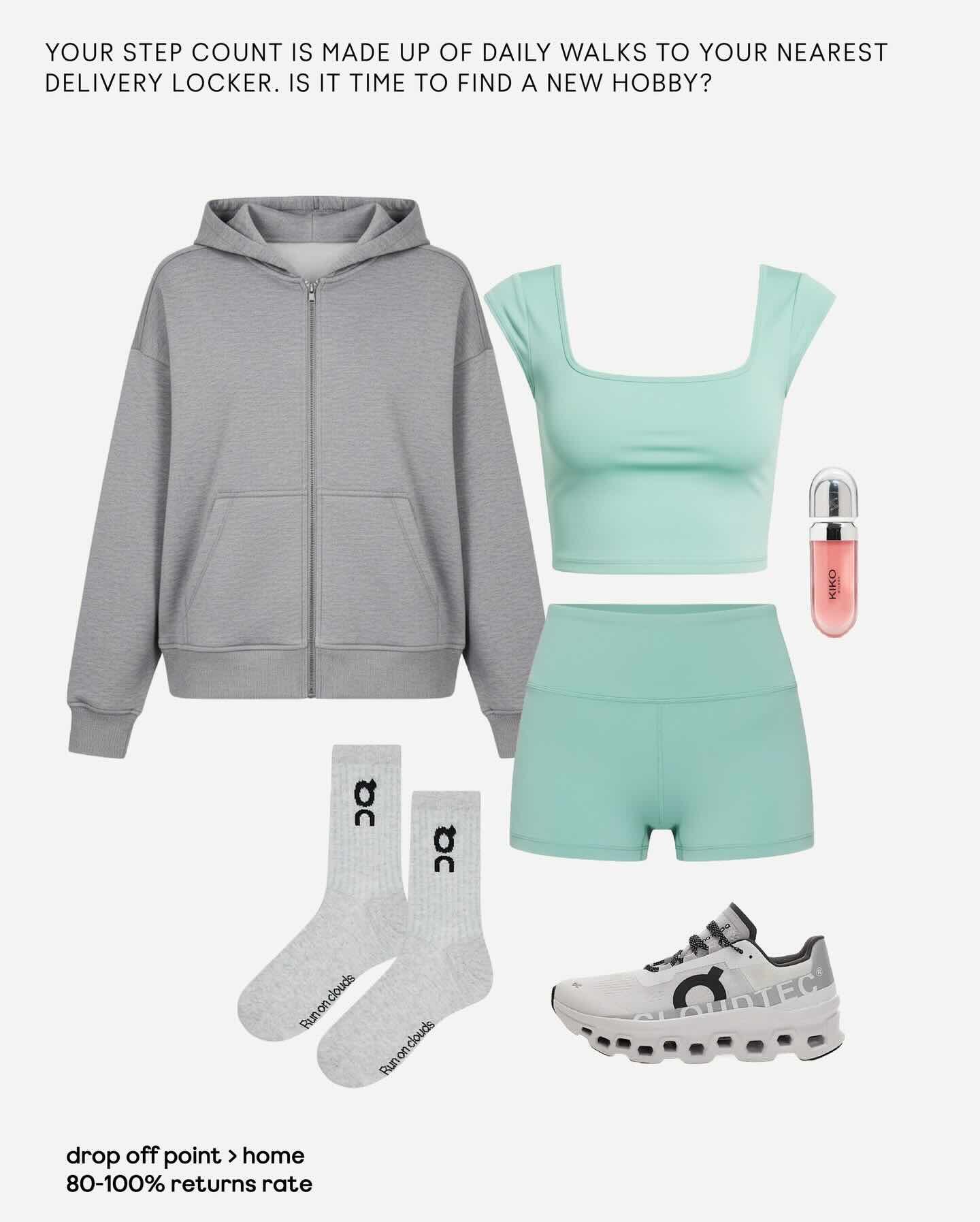
ASOS prices sit comfortably in the fast-fashion bracket, which means most items land between $15 and $80 depending on brand and style. The ASOS Design line—the retailer’s own brand—starts remarkably low, often at $10-20 for basics. A silk-blend shirt might cost $35. Premium denim runs $50-70. Designer collaborations and luxury pieces push higher, but rarely beyond $150 unless you’re shopping premium labels. For American shoppers accustomed to Zara, H&M, and Urban Outfitters pricing, ASOS lands in familiar territory.
What matters more than the base price is ASOS’s relentless discount culture. Seasonal sales slash prices by 50-90%, weekend promotions stack discounts, and the “ASOS Outlet” section is a permanent bargain bin. Student discounts of 10% apply automatically to verified students, and waitlists notify you when out-of-stock items restock, ensuring you catch the best prices. For budget-conscious American shoppers, this gamification of shopping—the constant hunt for deals—is deliberate and effective. It’s why browsing ASOS often feels less like necessity shopping and more like sport.
Compared to Zara’s mid-range positioning, ASOS skews more aggressively affordable. Versus Boohoo’s hyperfast-fashion lows, ASOS offers more variety and higher average quality. It occupies a sweet spot for budget-conscious American shoppers who aren’t willing to sacrifice curation for price. However, the shipping costs to the US (detailed below) factor significantly into whether ASOS’s prices remain truly competitive.
Shipping Speed to the United States: The US-Specific Reality
Here’s where ASOS becomes more complicated for American shoppers compared to UK customers. ASOS operates its US warehouse, but shipping from the UK remains common. Understanding your options is crucial to the math of whether ASOS is worth it.
| Shipping Method | Delivery Time | Cost | Best For |
|---|---|---|---|
| Standard Shipping (US) | 5-7 business days | Free (orders over $40) | Non-urgent, larger orders |
| Express Shipping (3-4 days) | 3-4 business days | $14.99 | Want it faster without premium cost |
| International Standard (UK) | 7-10 business days | $9.99 | Cheapest option, patient shoppers |
| International Express (UK) | 3-4 business days | $24.99 | Urgent, willing to pay premium |
The key takeaway: if you’re ordering from ASOS’s US warehouse (most common now), shipping is competitive. Standard shipping is free on orders over $40, and express is reasonably priced at $14.99. However, if your order ships from the UK warehouse, costs jump significantly. The international express option at $24.99 is expensive enough to undermine ASOS’s price advantage.
ASOS’s US operations have improved substantially in recent years, making same-warehouse shipments more common. However, popular items sometimes still ship from UK stock, so there’s uncertainty. This unpredictability is worth noting in your shopping decision.
The ASOS Marketplace Advantage
What ASOS provides that direct retailers like Zara don’t is access to hundreds of brands in a single ecosystem. You’re not jumping between websites; you’re browsing Nike, Adidas, Topshop, ASOS Design, Missguided, and indie labels all in one place. For American shoppers, this convenience—especially the simplified returns across all brands—remains genuinely valuable. Most retailers’ individual return policies are stricter; ASOS’s unified system is more customer-friendly (at least before the 2026 fee changes).
Where ASOS Falls Short: The Reality Check
What happens when a company that built its reputation on free returns suddenly discovers those returns are financially unsustainable? That’s 2026‘s version of ASOS, where the return policy has undergone its most significant upheaval in the company’s history. For US shoppers, this change has particular bite.
The New Return Policy: More Complex Than Ever (And Expensive for US Shoppers)
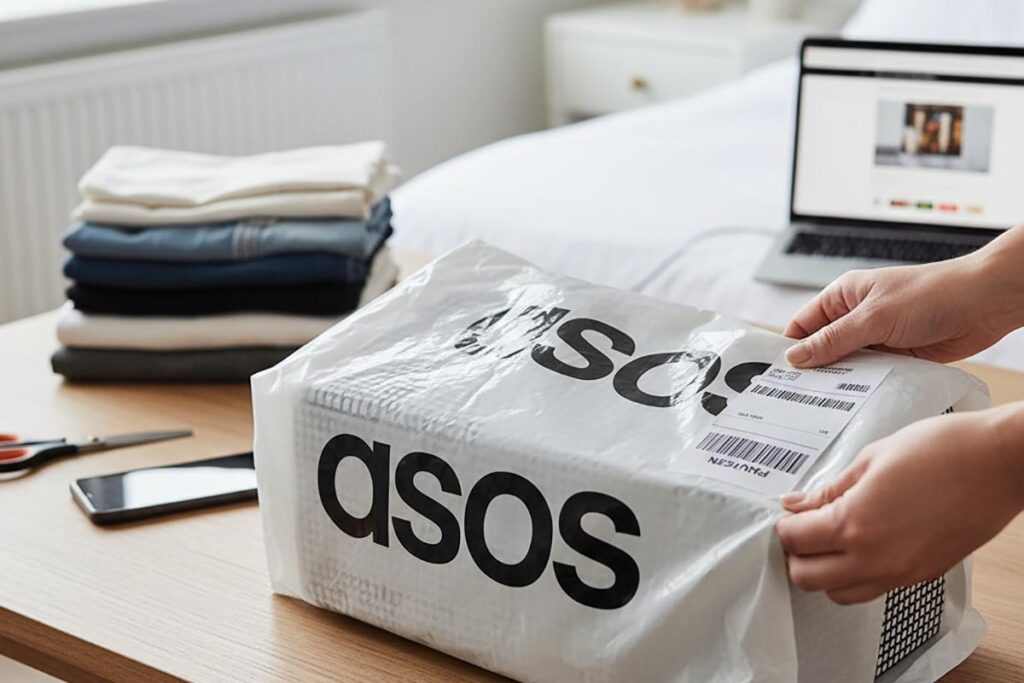
As of January 6, 2026, ASOS introduced a transparency-focused return system that fundamentally changed the return experience. Here’s the new reality: your personal return rate now determines whether returns remain free. For US shoppers, this is particularly frustrating because international return shipping is already more expensive than it was for UK customers.
| Your Historical Return Rate | Return Fee Status | Impact on US Shoppers |
|---|---|---|
| Below 70% of order value | Free returns | Full refund, ASOS pays return shipping |
| 70-80% return rate | Potential $4.95 charge (if under $40) | May face fee on small returns |
| 80%+ return rate | $4.95 fee + restocking fees | Significant cost per return |
The logic is understandable: ASOS was hemorrhaging money processing returns from habitual returners. The company now monitors this behavior and penalizes it accordingly. The transparency tool in the ASOS app lets you see your personal return rate in real-time, which softens the blow slightly—you won’t be blindsided by fees.
However, this policy has created a chilling effect for US shoppers in particular. When you’re already paying shipping costs (whether $0 to $14.99 depending on your order size and warehouse), the idea of potential return fees feels doubly penalizing. Many US customers report anxiety about ordering multiple sizes to find the right fit—a practice that now risks triggering fee penalties. The very feature that made ASOS legendary—”buy now, return if it doesn’t fit”—has been partially retracted.
For American shoppers who’ve grown accustomed to retailers like Zappos, Amazon, and Nordstrom offering free shipping and returns as standard practice, ASOS’s new policy feels like a step backward. Stories of account deactivations for “excessive returns” circulate across fashion forums, leaving US shoppers anxious about their loyalty.
Sizing: A Game of Russian Roulette (Especially for US Customers)
ASOS’s inclusive sizing strategy is admirable in principle. In practice, it creates a nightmare: consistency disappears when you’re shopping across 800+ brands. A US size 6 (or UK size 10) might fit perfectly in ASOS Design basics but run two sizes large in collaborations with European brands, or two sizes small in heritage labels. The brand’s own label tends toward oversized silhouettes, creating a false sense of generosity in fit.
ASOS provides detailed size guides—often including measurements in both inches and centimeters, width specifications, and model height references. The theory is sound. But executing this when every designer brand maintains its own sizing standards becomes virtually impossible. Customers report purchasing the same item in multiple sizes, returning the ill-fitting ones, and relying on ASOS’s generous initial return window to find their actual size.
For US customers specifically, this process is more painful than for UK shoppers. You’re paying for the privilege of trial-and-error shopping (via shipping costs), then risking return penalties if your rate gets too high. American shoppers accustomed to Zara or Target’s consistent sizing will find ASOS frustratingly inconsistent.
For ASOS Petite, Tall, and Curve ranges specifically designed for different body proportions, sizing remains more consistent. Tall items genuinely offer extra length; Petite styles avoid excess fabric; Curve cuts accommodate fuller figures without simply stretching standard sizes. These dedicated ranges have earned loyalty precisely because they solve the sizing gamble. Shopping exclusively within these collections dramatically improves the fit experience.
Quality: You Get What You Pay For
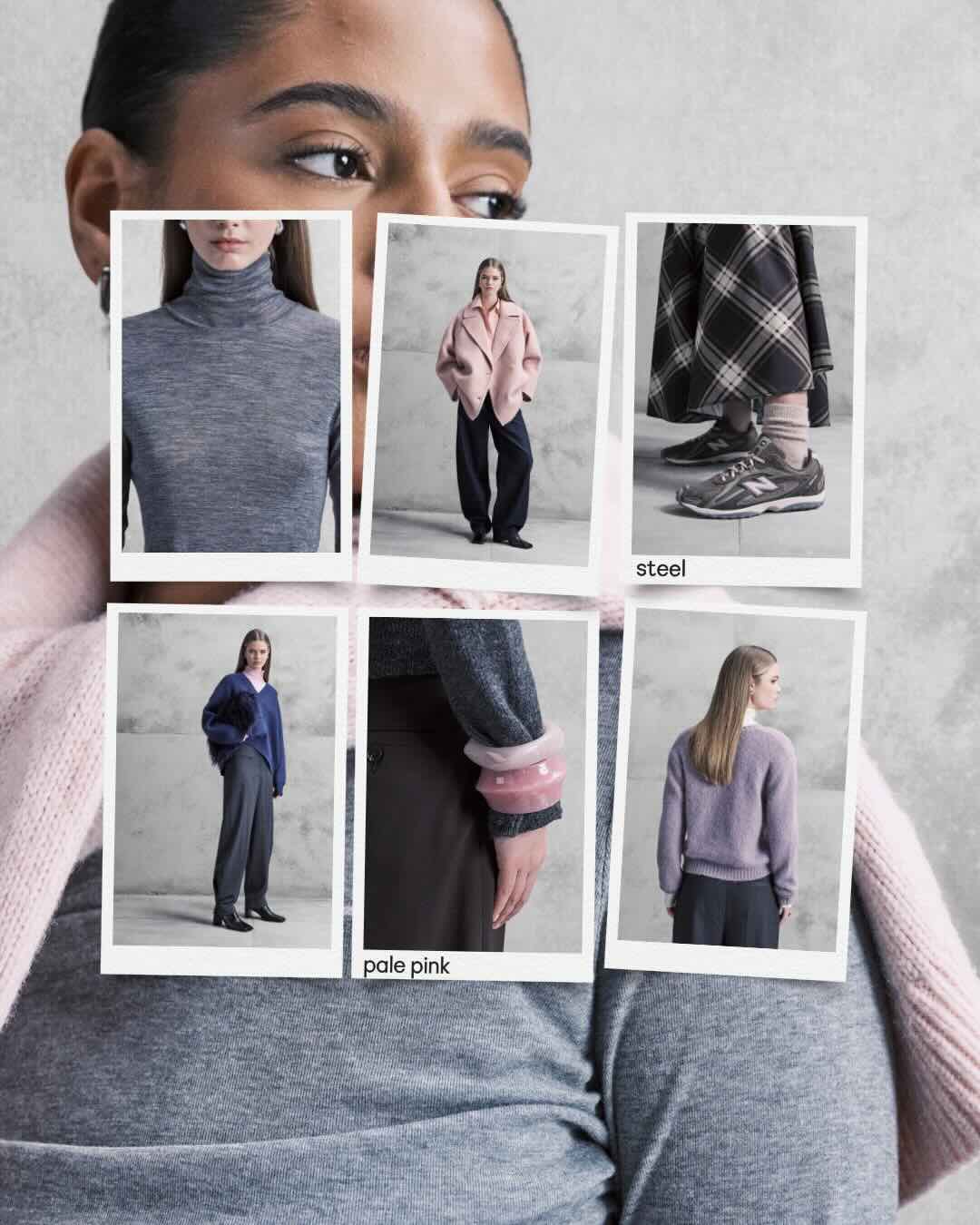
Quality at ASOS isn’t binary—it’s a spectrum that varies wildly. The $8 basic tee will feel thin and flimsy; it won’t survive 50 washes with integrity. The $35 silk-blend shirt might actually justify its price, holding its drape and color through a season of regular wear. The $70 designer denim feels substantially better than budget alternatives.
The challenge is predicting quality before purchase. ASOS Design items, the proprietary brand, receive mixed reviews from American shoppers. Some pieces—particularly basics from their collaborations—surprise with longevity. Others, especially shoes and flimsy fashion pieces, deteriorate quickly. This inconsistency stems partly from ASOS’s model: it’s a marketplace connecting retailers of varying quality standards. Some brands use ASOS as a primary sales channel and invest in quality; others treat it as a dumping ground for overstock.
Branded items (Nike, Adidas, Levi’s) maintain their respective standards. A $70 pair of Levi’s on ASOS is identical to a $70 pair of Levi’s bought directly—the product quality isn’t compromised, though the sizing unpredictability remains. Premium and luxury pieces, when available, generally meet expectations; you don’t reach for designer pricing without expecting designer construction.
The real lesson: ASOS rewards informed shopping. Browse customer photos (not just model shots), read detailed reviews mentioning fabric and durability, and bias toward established brands. Avoid cheap ASOS Design fashion pieces expecting durability; they’re designed to be disposable. For American shoppers, this deliberate research becomes even more important since you’re paying shipping costs and risking return penalties on mistakes.
Customer Service: The Weak Link
ASOS’s customer service has become notoriously inconsistent, and this frustration is compounded for US shoppers dealing with international logistics. The company has shifted almost entirely to online chat support, eliminating phone contact for most markets. Responses can be delayed, and frequent complaints surface about agents providing scripted, unhelpful answers. When issues involve returns, refunds, or account problems, customers report frustration with circular conversations and lack of resolution authority.
More concerning are stories of account deactivations. ASOS has begun suspending accounts of customers with high return rates, sometimes with minimal warning. Customers describe being locked out without explanation, unable to access order history or initiate refunds. The company justifies this as combating fraud and unsustainable return patterns, but the execution feels punitive and leaves shoppers vulnerable.
Delivery issues compound the problem. When parcels go missing—increasingly common with budget carriers used for transatlantic shipping—US customer service struggles to resolve matters quickly. The response typically follows a script: wait 14 days, file a missing parcel report, wait another 10 days for a decision. For perishable moments (an outfit needed for tomorrow’s event), this timeline is useless. American shoppers are accustomed to Amazon’s responsiveness; ASOS feels glacially slow by comparison.
⚠️ Key Frustrations to Anticipate (US Shoppers)
- Delivery carriers: International parcels use budget carriers with variable reliability. Delays and missing packages are more common than with domestic US retailers.
- Shipping costs add up: Once you factor in $0-14.99 shipping per order, ASOS’s price advantage shrinks. Compare final checkout price, not product price.
- Returns are now costly: The 2026 fee structure penalizes frequent returns. For US shoppers already paying for shipping, this feels double-penalizing.
- Account restrictions: High return rates can trigger account deactivation. Some customers report being banned without clear warning.
- Customer service delays: Chat support is the only option, with variable response quality. International issues take significantly longer to resolve.
- Quality inconsistency: The ASOS Design line shows wildly inconsistent quality across garments and seasons, making the risk of paying for shipping and returns feel high.
The Sustainability Question: Fashion with Integrity?
ASOS frames itself as advancing sustainable fashion through its “Fashion with Integrity” programme, launched in 2010. The company highlights achievements: membership in Better Cotton, textile certifications, carbon-neutral operations (since 2013), and a dedicated Eco Edit section. These aren’t marketing fluff—they represent genuine commitments.
However, ASOS remains a fast-fashion retailer at its core. The business model depends on trend cycles, rapid inventory turnover, and encouraging frequent purchases. Sustainable fashion and fast fashion are inherently contradictory philosophies. ASOS’s sustainability efforts represent harm reduction within a fundamentally unsustainable model, not a transformation toward circular fashion. For environmentally conscious American shoppers, the transatlantic shipping itself adds a significant carbon footprint.
If your priority is minimizing environmental impact, shopping selectively within the Eco Edit section helps. Choosing durable branded items over cheap ASOS Design pieces reduces waste. But buying 20% fewer items from any retailer remains more sustainable than buying 100% sustainable items from anywhere, including ASOS.
ASOS vs. The American Alternatives: How It Compares

Understanding ASOS’s position requires context against competitors targeting American customers with similar demographics and price points.
| Retailer | Price Point | Brand Diversity | Sizing Inclusivity | Shipping (US) |
|---|---|---|---|---|
| ASOS | Budget to mid-range | 800+ brands | Excellent (Petite/Tall/Curve) | $0-14.99, sometimes international |
| Boohoo | Ultra-budget | Limited, mostly own-brand | Good | Free over $50, US-based |
| Shein | Rock-bottom | Own-brand only | Limited | $2.99-10.99, fast arrival |
| Zara | Mid-range | Own-brand only | Moderate | Free over $75, US stores |
| H&M | Budget | Own-brand only | Good | Free over $40, US-based |
| Revolve | Mid to premium | 400+ brands | Good | Free, excellent logistics |
vs. Boohoo: Boohoo undercuts ASOS on price and offers free shipping on $50+ US orders (vs. ASOS’s $40 threshold). Both are fast-fashion, but Boohoo’s US operations mean faster, more reliable shipping. If budget is your primary constraint and you prioritize reliability, Boohoo might be smarter. Choose ASOS for brand variety and slightly better quality.
vs. Shein: Shein is cheaper than ASOS but represents a different tier of fast-fashion ethics and quality. Shein’s logistics are actually quite good for US shoppers. If you want rock-bottom prices and accept ultra-disposable fashion, Shein works. ASOS offers better quality and more established brands.
vs. Zara: Zara offers superior quality at comparable or slightly higher prices, with US distribution centers ensuring faster, free shipping. You’re limited to Zara’s own designs, though. ASOS wins for variety; Zara wins for cohesive aesthetics, reliability, and customer service. For American shoppers specifically, Zara’s US infrastructure is a significant advantage.
vs. H&M: H&M offers similar pricing and US shipping, with stores nationwide for easy returns. H&M’s selection is narrower than ASOS. Both are fast-fashion with quality concerns. H&M’s US presence (physical stores + warehouses) gives it a logistics advantage for American shoppers.
vs. Revolve: Revolve targets similar Gen Z demographics but emphasizes lifestyle over transaction. It costs more but feels more premium. Revolve’s logistics are exceptional—free shipping, fast delivery, easy returns. For American shoppers prioritizing experience, Revolve might be worth the premium. ASOS is the democratic, budget alternative.
The Verdict: Is ASOS Right for You (US Shoppers)?
Shop at ASOS If You:
- Value selection and variety over curation—you love the hunt for hidden gems across 800+ brands
- Need inclusive sizing (petite, tall, curve) that your local retailers don’t offer
- Are willing to research carefully before ordering (checking reviews, shipping methods, sizing guides)
- Shop seasonally rather than constantly, reducing your return rate and fee concerns
- Trust your ability to identify quality brands within their marketplace
- Enjoy the gamification of fashion—the constant hunt for deals and new arrivals
- Can wait 5-7 days for US shipping without anxiety
- Appreciate one-stop shopping across hundreds of brands (convenience factor)
Reconsider ASOS If You:
- Have historically returned more than half of purchases—the 2026 policy will frustrate you and cost you money
- Prioritize customer service excellence—ASOS consistently underperforms, especially for international (US) customers
- Need guaranteed quality and durability—inconsistency is inherent to their model
- Value fast shipping (same-day or next-day)—ASOS’s 5-7 days is slow by American standards
- Prefer free returns without conditions—ASOS’s 2026 policy penalizes frequent returns
- Want US-based shipping reliability—international logistics introduce unpredictability
- Value sustainability as more than greenwashing—transatlantic shipping has real carbon cost
- Have experienced sizing inconsistency in the past and don’t want to repeat it
The Math: Does ASOS Make Financial Sense for US Shoppers?
Let’s do the calculation that matters for American shoppers. Suppose you find a $50 item you want:
If order ships from US warehouse: $50 + $0 (free shipping, order over $40) = $50 total. Competitive.
If order ships from UK warehouse: $50 + $24.99 (international express) = $74.99 total. Expensive. Now compare this to buying the same item from Zara ($55) + free shipping = $55 total. ASOS loses.
If you need to return it: Original order $50 + express shipping $24.99 = $74.99. Item doesn’t fit. You get a free return. Refund: $50. But you’ve still lost the $24.99 shipping cost. That’s the real penalty.
The key insight: ASOS only makes financial sense for US shoppers when items ship from the US warehouse. Check this before checkout. If you see “Ships from UK,” do the math: is the price difference enough to justify international shipping and potential return costs?
Final Thoughts: ASOS in 2026 for American Shoppers
ASOS remains a valuable platform for fashion access—particularly for bodies, budgets, and aesthetics historically excluded from mainstream retail. Its 800+ brands, inclusive sizing, and aggressive pricing democratize the fantasy that shopping fashion requires wealth. For American shoppers specifically, ASOS works best as one tool in a larger toolkit, not your primary fashion destination.
The 2026 return policy changes, rising quality concerns, customer service struggles, and shipping costs to the US suggest ASOS is recognizing uncomfortable truths: unlimited returns are economically unsustainable, fast fashion’s ecological cost is being reckoned with, and customer satisfaction sometimes contradicts profitability. The future ASOS you shop isn’t the past ASOS.
For American consumers, this shift is particularly felt. You’re no longer shopping at a scrappy British challenger to mainstream retail. You’re shopping at an establishment that has learned to police its own excess and extract fees where it once offered generosity. The transatlantic distance makes every transaction feel higher-stakes: you’re paying for shipping, you’re risking return fees, you’re waiting 5-7 days for delivery. These friction points are invisible for UK customers, but they’re real for you.
Shop thoughtfully. Use the size guides obsessively. Check shipping origin before checkout (prefer US warehouse). Accept that you’ll need to return items occasionally and budget for that possibility. Bias toward established brands for quality. And keep your return rate below 70% to avoid penalties. ASOS remains worth shopping—just with clear eyes about its limitations for American customers.