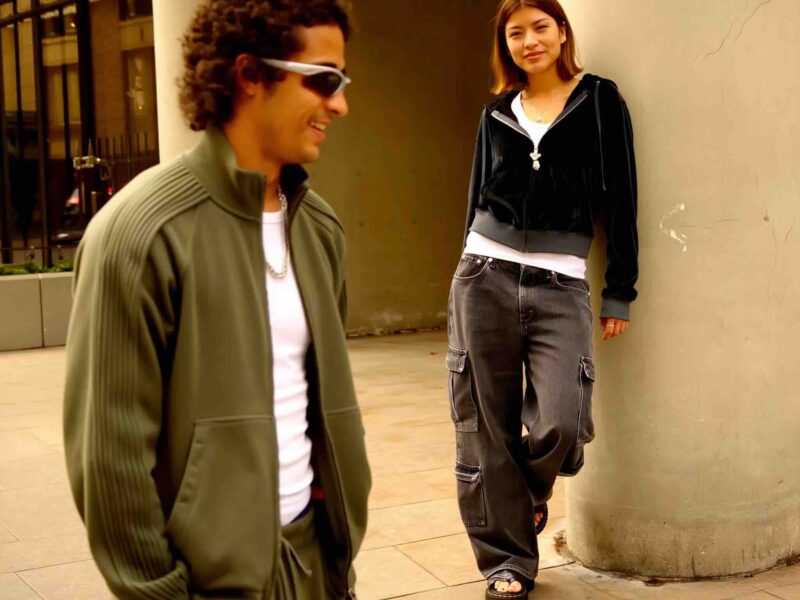
90s techwear is back, and not because anyone is desperate to dress like an obsolete modem. What is returning is something more interesting: the old promise that clothing could look sleek, survive bad weather, hold your essentials, and make daily life feel a touch more cinematic. After seasons of sugary Y2K nostalgia and all-beige restraint, fashion has swung toward pieces with utility, tension, and a bit of nerve. Think crinkled nylon, zip funnels, cargo pockets that actually hold things, reflective materials that wake up after dark, and oversized silhouettes with a reason to exist.
I see this as a correction rather than a novelty. We are living more digitally than ever, yet a lot of dress now craves tactility, practicality, and shape. That is where retro-futurism earns its keep. The 1990s imagined the future in ripstop, silver trims, smoked lenses, and technical shells. In 2026, that vision no longer reads as costume. It reads as oddly sensible.
Why This Trend Matters Now
The timing is not accidental. A few things have quietly converged. First, utilitarian fashion has moved from niche subculture into the mainstream. Gorpcore normalized trail shoes in the city, weatherproof outerwear at dinner, and the idea that a good jacket should perform rather than merely pose. Second, the Y2K cycle has matured. The rhinestone baby tee is still around, of course, but the more durable part of that era is the hardware: wraparound sunglasses, paneled sneakers, zip-off details, mesh, nylon, and a faintly cyberpunk way of thinking about clothes.
There is also the appeal of nostalgic futurism. The 1990s and early 2000s imagined tomorrow in blunt, optimistic shapes. Not quiet luxury. Not cottage sweetness. More like: what if your windbreaker looked like it belonged on a night train to somewhere exciting? That mood is resonating now because it feels expressive without being precious. It gives you atmosphere. It also gives you pockets.
That practical streak matters. People want wardrobes that can move through a commute, a drizzle, a coffee line, and an overstimulating day without collapsing into discomfort. Techwear, at its best, is not about dressing for an apocalypse. It is about dressing for public transit.
The 90s Techwear Elements That Still Work
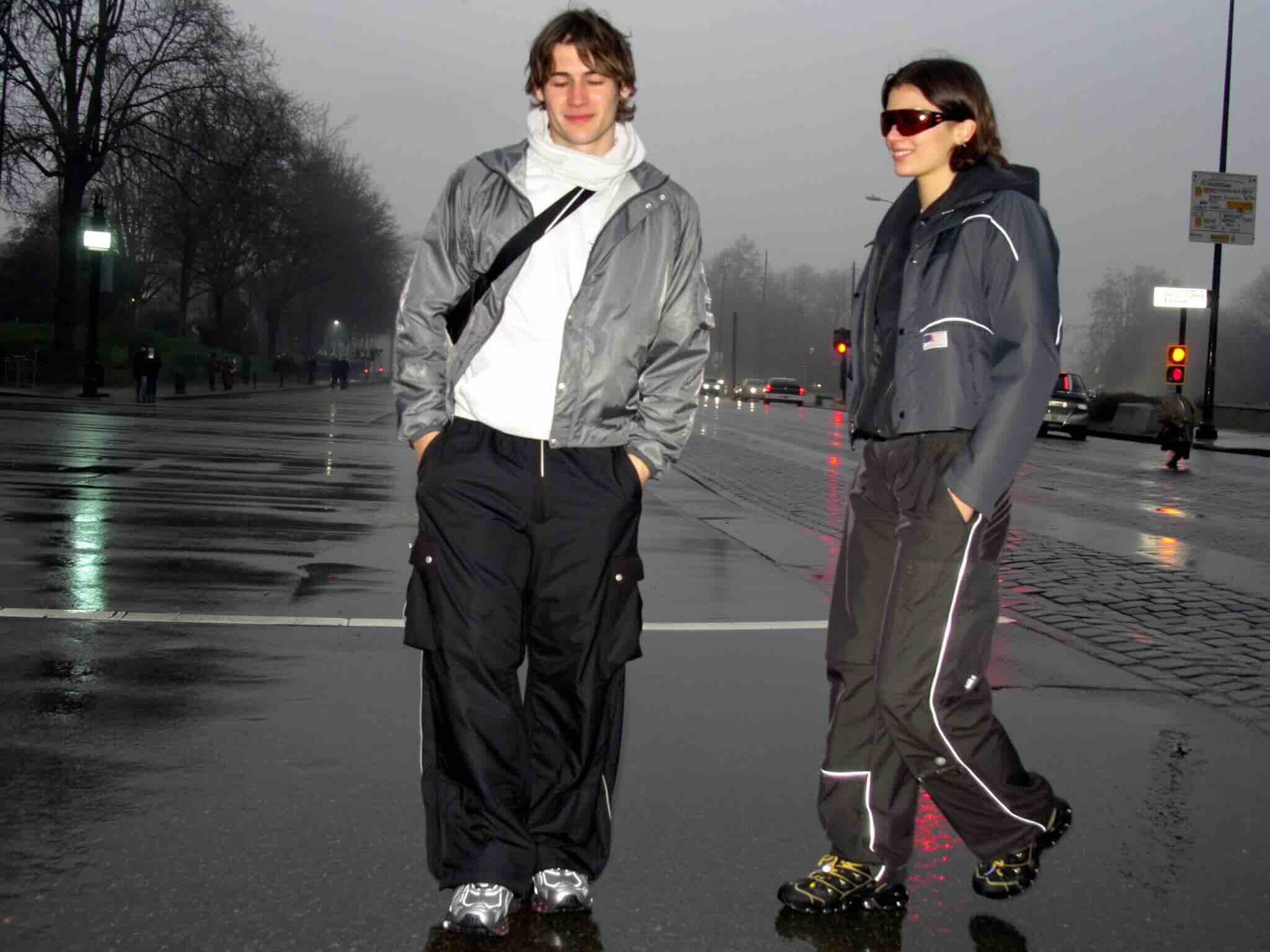
The strongest version of this comeback is built from recognizable parts. Not all of them at once. That is where people go wrong.
Technical shells and anoraks
A lightweight shell jacket is the clearest entry point. Look for matte or slightly crinkled nylon, a funnel neck, articulated sleeves, toggles at the hem, and a cut roomy enough to layer but not so huge that it swallows you whole. A shell over a plain tank and tailored trousers is often more convincing than a head-to-toe technical uniform.
Reflective materials and trim
Reflective materials are back because they still look brilliant. In daylight, they can read subtle and industrial; at night, they suddenly become alive. The trick is restraint. A reflective stripe, piping detail, or sprayed finish feels smart. A fully gleaming jacket can tip quickly into festival territory unless you truly mean it.
Cargo pockets, but edited
The pocket story has changed. Today’s best cargo trousers are cleaner through the hip and leg, with pocket placement that flatters rather than bulks. I would choose one or two useful compartments over six theatrical ones. Utility should look believable.
Paneled sneakers and trail-adjacent footwear
Bulky running shoes, trail soles, sculpted mules, and silver-accent trainers all feed the mood. They anchor the look without requiring a full costume change. This is one reason the trend has traction: footwear does half the work.
Oversized silhouettes with control
Volume is part of the appeal, but not random volume. The best oversized silhouettes have tension points: a cinched hem, narrow ankle, fitted base layer, or strong shoulder line. Otherwise the outfit becomes a pile of fabric with ideas above its station.
From Y2K to 2026: The Evolution of the Look
The Y2K fashion evolution in 2026 is less about exact reproduction and more about filtration. Fashion has kept the technical gloss and shed a lot of the novelty. That means fewer cartoonishly low rises, fewer costume references, and more attention to proportion, fabric, and wearability. Cyberpunk aesthetic clothing has been tidied up for daylight.
This is why the current version feels grown-up. The metallic or tactical note is often offset by something familiar: a ribbed knit, a trench shape, a straight jean, a pencil skirt, a proper coat. The outfit works because one item suggests the future while the others keep one foot in the present. It is calibrated. Not chaotic.
Gorpcore helped, too. Once performance fleeces, hiking shoes, and weatherproof parkas became ordinary fashion pieces, the public eye got used to technical language. Retro-futurism now has a softer landing. What once looked fringe now reads as an extension of everyday dressing, especially in cities where weather and movement are not optional details.
How to Wear 90s Techwear Without Looking Like a Film Extra

The easiest way to wear this trend is to treat it as a styling accent, not a total identity. A little goes a long way. Very little, sometimes.
- Try this for day: a charcoal shell jacket, white tank, loose black trousers, and silver-accent sneakers. Clean, useful, slightly futuristic.
- Try this for work: a technical parka over a crisp button-down and straight-leg pants, with leather loafers to keep the outfit grounded.
- Try this for evening: a slim knit dress with a cropped utility jacket and wraparound sunglasses. Strange on paper. Excellent in real life.
- Try this on weekends: nylon cargos, a faded gray sweatshirt, a crossbody bag, and trail-style shoes. Keep the colors controlled and the shapes intentional.
If you are new to the look, pick one statement category only: jacket, pants, shoes, or eyewear. Build the rest around it with familiar pieces. Denim is helpful. So are fine knits, simple tanks, and long coats. Techwear becomes much more elegant when it is interrupted by ordinary clothes.
Fit, Fabric, Color, and Proportion
Fit is where this trend either becomes stylish or deeply regrettable.
For petites
Choose cropped jackets, slightly tapered cargos, and lighter hardware. Too many pockets or too much length can pull the whole silhouette downward. A cropped shell with high-waisted trousers usually solves the problem.
For curves
Look for adjustable waists, drawcord hems, and fabrics with some drape rather than stiff armor. A tech jacket that nips slightly at the waist or ends at the top of the hip can keep shape without feeling tight. Straight or wide-leg cargos are often better than aggressively skinny tactical pants, which tend to overcomplicate the line.
For taller frames
Longline parkas, roomy bombers, and generous cargos can look particularly good because the fabric has space to move. Play with contrast: long jacket, fitted top, narrow shoe. Or wide trouser, compact jacket, sleek eyewear. You need a visual counterweight somewhere.
What fabrics to look for
Ripstop nylon, matte shell fabrics, mesh linings, bonded cotton, technical twill, and lightly coated materials all give the right tone. I would be cautious with cheap shine. There is a difference between futuristic and plasticky, and your eye knows it immediately.
Best colors for a modern retro-futurist wardrobe
Black, graphite, slate, olive, steel blue, and deep navy do most of the heavy lifting. Then add one disturbance: acid lime trim, silver hardware, amber lenses, or a flash of cobalt. That single interruption keeps the outfit from feeling flat while preserving the cool restraint that makes the trend wearable.
The Best Retro-Futuristic Streetwear Brands to Know
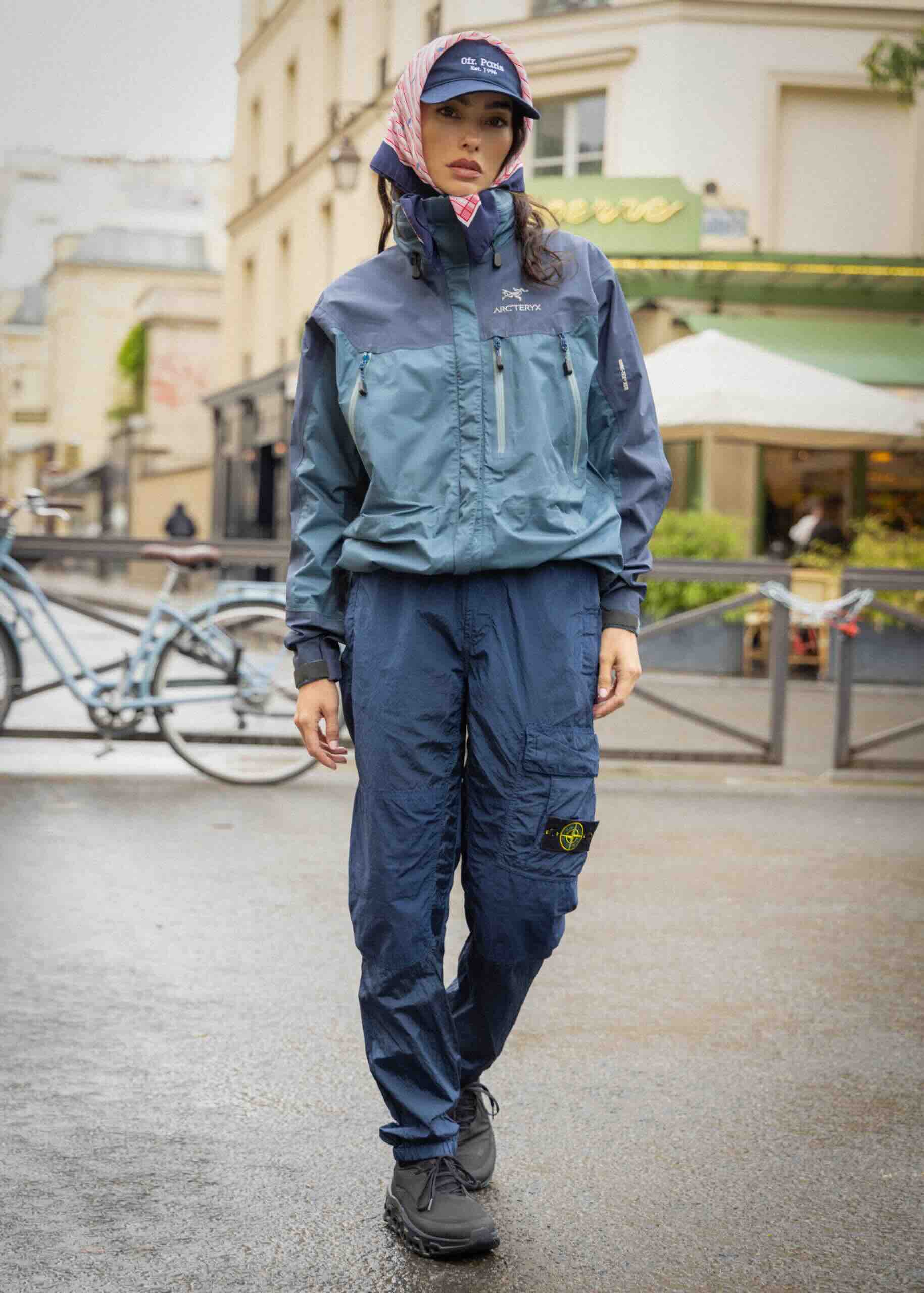
You do not need a full specialist wardrobe, but brand language matters here because some labels simply understand this territory better than others.
High-street and budget-conscious
Start with vintage sportswear, army surplus, and straightforward technical basics. Uniqlo’s BLOCKTECH outerwear is useful because it gives you the right clean shell shape without unnecessary fuss. I would also keep an eye on resale platforms for older nylon windbreakers, utility vests, and 90s sports jackets. Often the best retro-futurism is actually retro.
Mid-range buys
Nike ACG remains one of the easiest bridges between outdoor function and streetwear polish. Oakley Factory Team footwear is also worth knowing if you like your shoes slightly strange, sculptural, and unmistakably future-facing. This is the tier where the look starts to feel designed rather than merely practical.
Investment pieces
Acronym is still the reference point for many people because it treats clothing like equipment without losing visual bite. C.P. Company and Stone Island are equally relevant if you appreciate fabric development, dye work, and outerwear with real presence. These are not impulse buys. But one excellent technical jacket can do more for a wardrobe than five forgettable trend pieces.
A Note on Longevity
I have a charcoal nylon jacket I bought years ago for a wet, windy week when I needed something sensible and mildly chic. The cuffs are softer now. One zip pull has been replaced. The fabric has lost that fresh-paper crispness and settled into something more personal. It looks better on me now than it did on the hanger. Good technical clothing ages with its wearer in a way people rarely mention, and I think that is part of its appeal.
If you buy into this trend, buy with that future in mind. Check the seams. Test the zippers. Read the care label. Wash technical outerwear gently, keep heat low, and do not drown it in fabric softener. Hang jackets properly. Empty the pockets. Reproof when needed. A piece that looks slightly lived-in is attractive; one that has been mistreated is merely sad.
What to Avoid
There are a few easy mistakes. Too many tactical details at once. Cheap synthetic shine. A full black outfit with every possible strap attached. Tiny sunglasses plus giant cargos plus a giant jacket plus giant shoes. Pick your drama. Edit the rest.
The goal is not to look as though you wandered out of a turn-of-the-millennium sci-fi set. The goal is to borrow the energy of that world and make it useful now. Better clothes, fewer gimmicks. A little skepticism helps.
The Real Reason 90s Techwear Is Back
In my experience, trends return when they answer a mood rather than simply repeat a picture. That is what is happening here. 90s techwear answers modern life’s odd mix of speed, weather, overstimulation, nostalgia, and the desire to feel equipped. It offers structure without stiffness, personality without frill, and utility without dreariness.
Most of all, it makes getting dressed feel a bit inventive again. And that, frankly, is enough reason.