
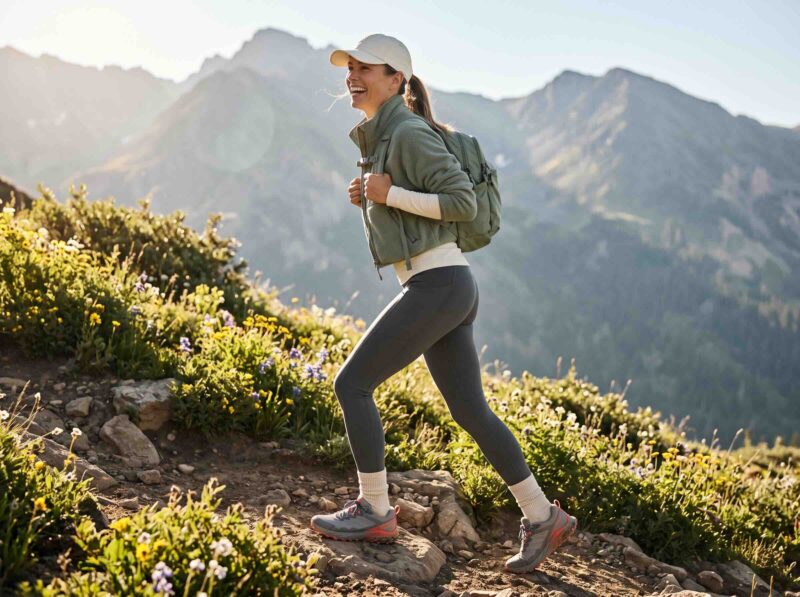
Stylish Hiking Outfits for Women to Keep You Comfy on a Casual Stroll or Longer Trek
Whether you’re heading out for a gentle stroll through the woods, a coastal walk with friends or a full-day trek up a mountain, the right outfit makes all the difference. Hiking is wonderful exercise and one of the best ways to clear your head, but nothing ruins a trail faster than chafing leggings, soaked socks or a jacket that can’t keep out the wind.
The good news is that comfortable and stylish no longer have to be opposites. Today’s outdoor clothing comes in flattering cuts, beautiful colors and versatile pieces you’ll happily wear from the trailhead to the café afterwards. In this guide to women’s hiking clothes and gear you’ll learn what to consider when choosing a hiking outfit, how to layer like a pro, which fabrics to choose (and avoid), the essential gear from sports bras to boots, 12 stylish hiking outfit ideas for every season and terrain, and tips for every body shape – everything you need to build your hiking wardrobe and get trail-ready.
What to Consider When Choosing a Hiking Outfit
- Freedom of movement: choose stretchy or relaxed pieces that let you climb, bend and stride without pulling or chafing.
- Moisture-wicking fabrics: materials that pull sweat away from your skin keep you dry, warm and comfortable.
- Weather: check the forecast for temperature, wind, rain and sun – and remember it’s usually colder and windier higher up.
- Distance and terrain: a flat park walk needs less gear than a rocky, all-day trek.
- Sun and bug protection: long sleeves, long pants and a hat protect you from UV rays, insects, scratchy plants and ticks.
- Pockets: zip pockets for your phone, keys, lip balm and snacks are invaluable.
- Style: pick colors and pieces you love – you’ll want to wear them again (and you’ll be in the photos!).
How to Layer for Hiking: The 3-Layer Rule
Layering is the secret to staying comfortable on the trail. Instead of one thick coat, wear several thinner layers you can add or remove as you warm up, stop for lunch or reach a windy summit.
| Layer | Purpose | Best options |
|---|---|---|
| Base layer | Wicks sweat away from your skin | Merino wool or synthetic tee, tank or long-sleeve top; sports bra |
| Mid layer | Insulates and keeps you warm | Fleece jacket, quarter-zip pullover, lightweight down or synthetic puffer vest |
| Outer layer | Protects from wind and rain | Waterproof rain jacket, windbreaker, softshell jacket |
On a warm summer hike, you may only need the base layer plus a packable windbreaker in your backpack. In winter, wear all three and add a hat, gloves and a neck gaiter. Always pack an extra layer – it weighs little and will keep you warmer during breaks.
The Best Fabrics for Hiking Clothes
| Fabric | Pros | Best for |
|---|---|---|
| Merino wool | Soft, warm when wet, temperature-regulating, odor-resistant | Base layers, socks, all seasons |
| Polyester and nylon | Lightweight, durable materials that dry quickly | Tops, hiking pants, shorts, jackets |
| Bamboo blends | Soft, breathable, moisture-wicking | Tees, tanks, underwear |
| Fleece | Warm, light, breathable | Mid layers |
| Spandex / elastane blends | Stretch and freedom of movement | Leggings, hiking pants |
| Cotton | Comfortable but holds sweat and dries slowly | Short, easy strolls only – avoid on longer hikes |
Tip: the hiker’s saying “cotton kills” exists for a reason. Wet cotton loses all its insulation and can leave you cold and uncomfortable, especially in cool, windy weather.
Women’s Hiking Clothes and Gear: The Essentials
The best women’s hiking clothes are breathable and dry fast. Here is the hiking apparel worth investing in, from the base layer out – incredibly comfortable pieces that work for everything from a park walk to backcountry trails.
Underwear and sports bras
Start with moisture-wicking underwear rather than cotton, and avoid lace trims or seams that can rub on long walks. A supportive sports bra is essential – choose the level of support you need, especially if you have a larger bust or are hiking on steep, uneven ground. Racerback and convertible styles work well under backpack straps.
Hiking tops
The best hiking tops for women are breathable and dry. Choose a moisture-wicking short-sleeve t-shirt, tank top or long-sleeve top in merino wool, bamboo or a synthetic blend that’s quick to dry. A cropped tank looks cute with high-waisted leggings in warmer weather. A long-sleeve sun shirt with UPF protection is ideal for exposed trails, and sun hoodies – lightweight hooded UPF tops – have become many women’s favorite hiking shirt for sunny hikes and hot days. In cold weather, wear a thin long-sleeve base layer under your fleece and jacket.
Mid layers
A fleece jacket, a quarter-zip pullover or a packable puffer vest traps body heat while still letting sweat escape. A cropped fleece or a colorful half-zip adds a stylish touch.
Jackets and coats
Always carry an outer layer – the weather can change quickly, and temperatures drop as you climb. Look for a lightweight, packable, waterproof and windproof hiking jacket with a hood you can cinch tight in the wind. Ultralight rain shells are perfect for backpacking, where every ounce counts. For winter hikes, choose an insulated down or synthetic jacket, ideally water-resistant.

Hiking pants, leggings and shorts
- Hiking leggings: high-waisted, squat-proof leggings with side pockets are comfortable for most day hikes. Choose thicker, abrasion-resistant styles for rocky trails.
- Hiking pants: quick-dry, stretchy hiking pants protect your legs from scratches, sun and bugs. Many have zippered pockets and adjustable hems. Try several sizes to find the best fit around the hips and knees.
- Convertible pants: zip-off pants turn into shorts when the day warms up – two pants and shorts in one, ideal for backpacking gear lists.
- Joggers and hoodies: relaxed and comfortable for easy walks and casual strolls, though cotton hoodies are best saved for short, dry outings.
- Hiking shorts and skorts: perfect for a hot summer; look for a longer inseam to prevent chafing.
Socks
Never underestimate good socks. Cotton holds sweat and leads to blisters, so choose cushioned merino wool or synthetic hiking socks that wick moisture and fit without wrinkles. Crew socks protect your ankles from boots and debris.
Shoes and boots
| Footwear | Best for | Why |
|---|---|---|
| Walking sneakers | Casual strolls, park paths | Light and comfortable |
| Trail running shoes | Day hikes, faster pace, dry trails | Lightweight with grippy soles |
| Hiking shoes | Mixed terrain, moderate hikes | More support and traction than sneakers |
| Mid or high hiking boots | Rocky, steep or long treks | Ankle support and protection |
| Waterproof boots | Rain, mud, snow | Keep feet dry |
| Hiking sandals | Hot weather, water crossings | Breathable and quick-drying |
Always break in new hiking boots on shorter walks before a long trek, and try them on with your hiking socks.
Hats and sunglasses
A baseball cap or a wide brim sun hat protects your face from the sun in summer; a knit beanie keeps you warm in winter. Polarized or mirrored sunglasses protect your eyes from glare.
Backpacks and accessories
A comfortable daypack with a hip belt and a hydration sleeve is a must for anything longer than a short walk. Pack the essentials:
- Water bottle or hydration bladder
- Snacks
- Sunscreen and SPF lip balm
- Bug spray
- Rain jacket or windbreaker
- Warm hat and gloves (or convertible mittens)
- Neck gaiter or buff
- Phone, map and a small first-aid kit
- Trekking poles for steep or long trails
12 Stylish Hiking Outfit Ideas for Women
1. The casual stroll
High-waisted black leggings, a fitted long-sleeve tee, a cropped fleece, walking sneakers and a baseball cap. Easy, comfy and cute enough for coffee afterwards.
2. The classic day hike
Stretchy hiking pants in olive or khaki, a moisture-wicking tee, a quarter-zip fleece, hiking shoes, crew socks and a daypack.
3. The matching active set
A coordinated leggings-and-top set in a bold color like sage, terracotta or cobalt with matching trail shoes and a cap – polished and photo-ready.
4. The summer trail
Hiking shorts or a skort, a breathable tank, a lightweight UPF sun shirt tied around the waist, hiking sandals or trail runners, a wide-brim hat and sunglasses.
5. The desert hike
On sunny hikes in exposed terrain, cover up rather than strip down: lightweight long pants, a long-sleeve UPF shirt in a light color, a wide-brim hat, a neck gaiter and breathable hiking shoes – maximum sun protection without overheating.
6. The rainy day
Hiking leggings or quick-dry pants, a merino base layer, a fleece, a brightly colored waterproof rain jacket and waterproof hiking boots.
7. The fall foliage hike
Olive cargo hiking pants, a plaid flannel shirt over a base layer, a puffer vest, brown hiking boots and a beanie – classic autumn style.
8. The winter snow walk
Fleece-lined leggings, a thermal base layer, a fleece mid layer, an insulated jacket with a hood, waterproof winter boots, a knit beanie, gloves and a neck warmer.
9. The dog walk
Joggers, a sweatshirt, a waterproof parka in a cheerful color, walking sneakers, a hat and gloves – practical for muddy paws and changeable weather.
10. The coastal walk
Straight hiking pants, a striped long-sleeve tee, a windbreaker, trail shoes and sunglasses – wind-ready with a nautical twist.
11. The mountain trek
Technical hiking pants, a merino base layer, a fleece, a down jacket and a rain shell in the pack, high hiking boots, trekking poles, a sun hat and a beanie for the summit.
12. The plus-size friendly hike
High-rise, thigh-friendly hiking pants or leggings with a wide waistband, a longline breathable tunic tee, an open lightweight jacket, anti-chafe shorts underneath and supportive trail shoes.
Hiking Outfits by Season
Your clothing and footwear should change with the seasons. Use this table as a quick guide.
| Season | What to wear |
|---|---|
| Spring | Hiking pants or leggings, a long-sleeve base layer, a light fleece, a rain jacket, waterproof shoes |
| Summer | Shorts or a skort, a tank or sun shirt, a wide-brim hat, sandals or trail runners, plenty of sunscreen |
| Fall | Hiking pants, a flannel or quarter-zip, a puffer vest, a beanie, hiking boots |
| Winter | Fleece-lined leggings, a thermal base layer, a fleece, an insulated jacket, waterproof boots, a hat, gloves and a neck gaiter |
Hiking Outfit Tips for Every Body Shape
- Larger bust: choose a high-support, encapsulating sports bra and tops with a slight drape rather than tight compression.
- Curvy hips and thighs: look for curvy-fit hiking pants with a contoured waistband, or high-rise leggings that don’t roll down.
- Apple shape: longline tops, open jackets and high-waisted bottoms with a wide, smooth waistband are comfortable and flattering.
- Petite: choose petite inseams, cropped jackets and tonal outfits.
- Tall: look for tall-length pants and long-torso jackets so nothing rides up when you reach.
- Plus size: anti-chafe shorts or balm, breathable longline tops and supportive footwear make long hikes much more comfortable.
Your Hiking Capsule Wardrobe
You don’t need a closet full of hiking gear. A small set of versatile hiking clothes for women covers almost every hike:
- Bottoms: black hiking leggings, olive hiking pants, hiking shorts or a skort.
- Tops: two moisture-wicking short sleeve tees, a long-sleeve base layer, a UPF sun shirt.
- Layers: a fleece or quarter-zip, a packable puffer vest, a waterproof rain jacket.
- Footwear: trail runners or hiking shoes, waterproof hiking boots, merino socks.
- Accessories: a cap, a beanie, sunglasses, a daypack and a water bottle.
Choose pieces in a coordinated palette – for example black, olive, cream and one accent color – so everything mixes and matches.
Hiking Outfit Mistakes to Avoid
- Wearing cotton on long or cold hikes.
- Brand-new boots on a long trek – break them in first.
- No rain layer – weather can change in minutes, especially in the mountains.
- Too many warm layers at the start – start slightly cool; you’ll warm up quickly.
- Forgetting sun protection – even on cloudy days.
- Ignoring chafing – choose seamless underwear, longer inseams and anti-chafe balm.
Frequently Asked Questions
What is the 3 layer rule for hiking?
The 3-layer rule means wearing a moisture-wicking base layer, an insulating mid layer (like a fleece or puffer vest) and a protective outer layer (a waterproof, windproof jacket). You add or remove layers to stay comfortable as the temperature and your activity level change.
Is it better to hike in leggings or hiking pants?
Leggings are comfortable and stretchy for most day hikes on well-maintained trails. Hiking pants are more durable, protect better against scratches, bugs and sun, and often have more pockets – the better choice for rocky, overgrown or backcountry trails.
What are some good hiking outfits for women?
Great options include leggings with a long-sleeve tee and cropped fleece; hiking pants with a sun hoodie; shorts with a tank top and wide-brim hat in summer; and fleece-lined leggings with an insulated jacket and beanie in winter.
What should a woman wear on a hike?
Moisture-wicking underwear and a supportive sports bra, a breathable top, hiking pants, leggings or shorts, a warm mid layer, a waterproof jacket, merino socks and hiking shoes or boots. Add a hat, sunglasses and a daypack.
Can I wear leggings for hiking?
Yes. High-waisted, moisture-wicking, squat-proof leggings with pockets are great for most day hikes. Choose thicker, abrasion-resistant leggings for rocky or overgrown trails.
Are jeans OK for hiking?
Jeans are fine for a short, easy stroll in dry weather, but they’re heavy, restrictive and slow to dry, so they’re not recommended for longer hikes or wet weather.
What should I wear hiking in hot weather?
Lightweight, light-colored, breathable clothing: shorts or a skort, a tank or UPF sun shirt, a wide-brim hat, sunglasses and breathable trail shoes or sandals. Bring plenty of water and sunscreen.
What should I wear hiking in cold weather?
Layer a thermal base layer, a fleece and an insulated, waterproof jacket, with fleece-lined pants or leggings, waterproof boots, wool socks, a beanie, gloves and a neck gaiter.
Do I need hiking boots or are sneakers enough?
Sneakers or trail runners are fine for easy, dry trails. For rocky, steep, wet or long hikes, hiking shoes or boots offer better grip, support and protection.
How can I look stylish while hiking?
Choose a coordinated color palette, a matching active set, flattering high-waisted leggings or tailored hiking pants, a cute cap or beanie and a colorful jacket. Fit and color make all the difference.
Hit the Trail in Style
The best hiking outfits keep you comfortable, protected and confident, whether you’re on a casual stroll or a longer trek. Layer smartly, choose moisture-wicking fabrics, invest in good socks and footwear, and pick colors and pieces you love. Then all that’s left is to lace up and enjoy the view.


