
How Do You Define Style? What It Really Means and How to Find Yours
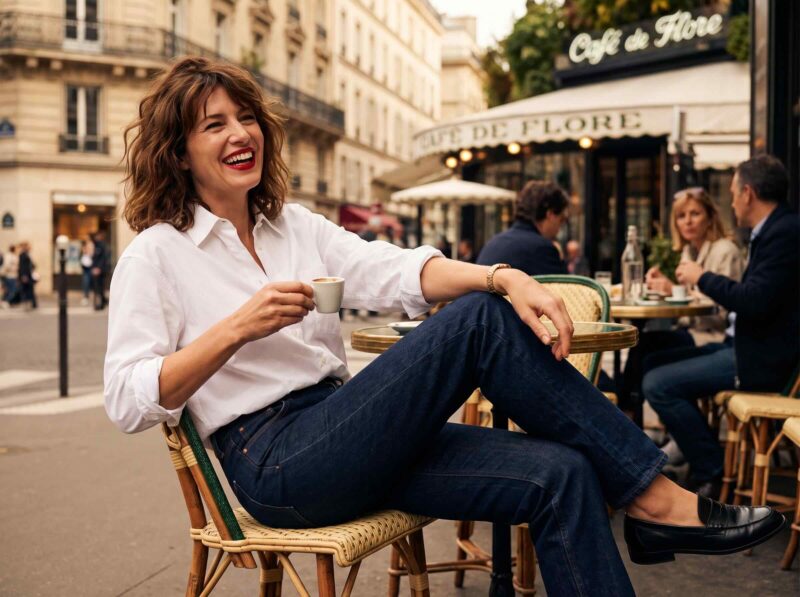
We all know style when we see it. The woman in the café wearing a simple white shirt, jeans and red lipstick who somehow looks more put-together than everyone else in the room. The friend who can throw on a thrift-store coat and make it look like vintage couture. But ask anyone to define style and most of us struggle to put it into words.
Is it the clothes you wear? Confidence? Money? Taste? A bit of all of them? Style means different things to different people, which is exactly what makes it fascinating. In this guide we’ll unpack what style really means, how it differs from fashion, what the most stylish women have in common, the main style personalities, and a simple step-by-step process to define your own personal style, at any age.
The Dictionary Meaning of Style
If you look the word up in a dictionary such as Oxford, you’ll find style has several meanings: a particular manner of doing something (a writing style or leadership style), a distinctive design or aesthetic (a style of architecture), and, in everyday usage, a quality of elegance and distinction (“she has real style”). Synonyms in any thesaurus include flair, elegance, taste, panache and chic. The word itself comes from the Latin stilus, the writing tool, a historical hint that style has always been about how you make your mark.
In fashion, style draws on all of these meanings. It’s your manner of dressing, your personal aesthetic and, when it’s done well, that hard-to-define quality of elegance.
What Is Style?
At its simplest, style is the way you express who you are through what you wear and how you wear it. It’s the visual language of your personality: the colors you choose, the shapes you gravitate to, the details you notice and the way you put everything together.
Style isn’t the same as owning expensive, high-quality clothes or following every trendy item. Nor does it necessarily mean dressing up; style shows in your daily life, from jeans and sneakers to a ready-to-wear suit. A woman with great style might wear the same handful of pieces again and again, but you’d recognize her look anywhere. Style is personal, consistent and authentic. It feels like you.
Most definitions of style come back to three ideas:
- Self-knowledge: knowing who you are, what suits your body and what you want your clothes to say.
- Self-expression: letting your personality, values and lifestyle show through your choices.
- Confidence: wearing your choices with ease, without worrying what everyone else thinks.
Style vs. Fashion: What’s the Difference?
| Fashion | Style | |
|---|---|---|
| What it is | What’s being designed, sold and worn right now | How you personally choose and wear clothes |
| Source | Designers, brands, runways, social media | You: your personality, body and life |
| Lifespan | Seasonal; constantly changing | Long-lasting; evolves slowly |
| Goal | Novelty and newness | Authenticity and self-expression |
| Cost | Often requires buying new things | Can be built from what you already own |
| Says | “Everyone is wearing this” | “This is me” |
Fashion offers the ingredients; style is the recipe you create with them. Your style is also shaped by deeper, cultural and practical influences: where you live, your work, your budget and your need for comfort. You can be very stylish without being fashionable, and very fashionable without having much style. The sweet spot is a strong personal style that borrows from fashion when something genuinely suits you.
Famous Quotes That Define Style
Some of the best definitions of style come from people who spent their lives thinking about it. A few favorites, as they’re commonly attributed:
- “Fashions fade, style is eternal.” Often attributed to Yves Saint Laurent, it captures the difference between trends and lasting personal style.
- “Style is knowing who you are, what you want to say, and not giving a damn.” Widely attributed to the writer Gore Vidal.
- “Style is a way to say who you are without having to speak.” Often credited to stylist Rachel Zoe.
- “Style is something each of us already has; all we need to do is find it.” Frequently attributed to designer Diane von Furstenberg.
- “Fashion says ‘me too,’ style says ‘only me.'” A popular saying that sums up the difference neatly.
Notice the common thread? Every definition is about the person, not the clothes.

What Do Stylish Women Have in Common?
Look at women who are famous style icons, from Audrey Hepburn’s pared-back elegance to Iris Apfel’s joyful maximalism, and you’ll notice they look nothing alike. Different styles, diverse aesthetics. Yet they share the same underlying ingredients.
1. They know themselves
Stylish women know their body, their coloring, their lifestyle and their personality. They choose clothes that make them feel happy, comfortable and confident, rather than clothes they feel they should wear.
2. They understand proportion and balance
Great outfits are usually about balance: fitted with loose, structured with soft, volume on top or below but rarely both. Stylish women know how to use necklines, hemlines, colors and accessories to flatter their shape. These are learnable skills, not innate talent.
3. They keep it simple
Many of the most admired looks are surprisingly simple: a few well-chosen pieces, one strong detail and nothing extra. They don’t over-complicate or try to match everything perfectly. Simplicity is why some photos from decades ago still look current today.
4. They have a signature
A signature is the element people associate with you: a red lip, bold glasses, a color you always wear, a silhouette you return to, a particular piece of jewelry. It makes you recognizable and getting dressed easier.
5. They prioritize fit
Well-fitting clothes look better than expensive ones that don’t fit. Stylish women often have a good tailor on speed dial.
6. They’re consistent but not rigid
Their style evolves over time, but there’s always a recognizable thread running through it.
7. They wear their clothes with confidence
Perhaps the most important ingredient of all. Confidence turns a simple outfit into a statement.
The Main Style Personalities
The quickest way to define your style is to recognize your style personality. Most people have one dominant style personality and one or two supporting ones. Which sounds most like you?
| Style personality | Keywords | Signature pieces |
|---|---|---|
| Classic | Polished, timeless, refined | Trench coat, white shirt, tailored trousers, pearls, loafers |
| Minimalist | Clean, pared-back, modern | Neutral palette, simple knits, sleek tailoring, few accessories |
| Natural / relaxed | Easy, comfortable, effortless | Linen, denim, soft knits, sneakers, minimal makeup |
| Romantic | Soft, feminine, delicate | Florals, lace, wrap dresses, ruffles, pastels |
| Bohemian | Free-spirited, artistic, layered | Maxi skirts, embroidery, fringe, layered jewelry |
| Dramatic | Bold, striking, statement | Strong shoulders, monochrome, architectural shapes, big accessories |
| Creative / eclectic | Playful, unexpected, colorful | Print mixing, vintage finds, bold color, quirky accessories |
| Edgy | Cool, rebellious, modern | Leather jacket, black, boots, hardware details |
Your style personality can be a blend, for example “classic with a creative twist” or “relaxed romantic.” That blend is what makes your style uniquely yours.
How to Define Your Own Personal Style in 7 Steps
Finding your style is a journey, and it can take time. Think of these steps as the first lesson in your own style journey.
Step 1: Collect inspiration
Save and pin outfits you love from Pinterest, Instagram, magazines and real life for a few weeks. Don’t overthink it; just save what makes you say “yes.”
Step 2: Look for patterns
Review your collection. Which colors, silhouettes, fabrics and details keep showing up? Are the looks polished or relaxed, minimal or layered, soft or bold?
Step 3: Choose three style words
Describe your ideal style in three words, such as “polished, warm, effortless” or “bold, artistic, modern.” These words become your filter for every future purchase.
Step 4: Audit your wardrobe
Pull out the pieces you wear and love most. What do they have in common? Then look at what you never wear and ask why: wrong fit, wrong color, or simply not you?
Step 5: Consider your body and lifestyle
Your style should work for your actual life and the body you have today. A woman who works from home and walks the dog twice a day needs a different wardrobe from one who runs a law firm. Learn your body shape and best colors, and make them part of your style formula.
Step 6: Define your signature
Choose one or two signature elements: a color, an accessory, a silhouette or a beauty detail that makes your look recognizable.
Step 7: Experiment and edit
Step out of your comfort zone occasionally, try new combinations, take photos of outfits you love and keep notes on what works. Before you shop, check every new item against your three words: if it doesn’t fit them, it probably isn’t relevant to your style. Style is a practice, not a destination. Keep editing until your wardrobe feels like you.
Signature Style: Ideas to Inspire You
- Always wearing one color family, like camel, navy or red
- A signature lip color or bold glasses
- Statement earrings with simple outfits
- A uniform formula, like jeans, a crisp shirt and loafers
- Silk scarves worn in different ways
- Stacked bracelets or a beloved watch
- Silver hair worn proudly and styled sharply
Defining Your Style After 40
Many women find their style truly comes together after 40. You know yourself better, you care less about others’ opinions and you’ve learned what works through years of trial and error. At the same time, bodies and lifestyles change, and the style that worked at 30 might need updating.
- Revisit your style words: do they still describe the woman you are now?
- Update proportions: modern jean shapes, hemlines and tailoring keep a classic style feeling current.
- Invest in quality: fewer, better pieces suit a defined personal style.
- Keep the joy: style isn’t about dressing your age; it’s about dressing as yourself.
Common Style Mistakes
- Copying someone else’s style instead of adapting it to you.
- Buying every trend and ending up with a closet full of “nothing to wear.”
- Ignoring fit and proportion.
- Dressing for a past life or a past body.
- Thinking style requires a big budget. It doesn’t.
Frequently Asked Questions
How do you define style in one sentence?
Style is the way you express who you are through what you wear and how you wear it.
What is the difference between style and fashion?
Fashion is what’s popular and being sold right now; style is how you personally choose and wear clothes. Fashion changes every season, while style lasts and evolves slowly.
How do I find my personal style?
Collect inspiration, look for patterns, choose three words that describe your ideal look, audit your wardrobe, consider your body and lifestyle, define a signature and keep experimenting.
Can you have style without money?
Absolutely. Style is about choices, fit and confidence, not price tags. Some of the most stylish women dress almost entirely from thrift stores and their own closets.
What are the three types of style?
In fashion, style is often simplified into three broad approaches: classic (timeless and polished), trendy (following current fashion) and personal or eclectic (an individual mix). In writing, the three types usually refer to formal, informal and neutral styles.
Can I have more than one personal style?
Yes. Most people blend two or three style personalities, and your style may shift between work, weekends and evenings. The key is a common thread, such as a color palette or signature detail, that ties it together.
How can I define my style in a few words?
Pick three adjectives that describe how you want to look and feel, for example “polished, relaxed, warm” or “bold, artistic, modern.” Use them as a filter whenever you shop or get dressed.
What are the main types of style?
Common style personalities include classic, minimalist, natural, romantic, bohemian, dramatic, creative and edgy. Most people are a blend of two or three.
Does your style change as you get older?
It usually evolves, becoming more refined and personal. The core of who you are stays, but proportions, priorities and favorite pieces shift with your body and lifestyle.
Style Is Simply You, Expressed
So, how do you define style? It’s knowing yourself, understanding what flatters you, keeping things simple and wearing it all with confidence. Fashion will keep changing, but once you’ve defined your personal style, you’ll always know what feels right. And that’s the most stylish thing of all.


