

Thrifting 2.0 is less about rummaging and more about reading the room. On today’s peer-to-peer resale platforms, the best finds are not always buried under chaos; they are often hiding in plain sight, mislabeled, badly photographed, or listed by someone who simply wants the item gone by Friday. That is the appeal. The modern hunt for pre-loved luxury is sharper, faster, and more informed than the old treasure-dig fantasy, and the shoppers who do it well know that taste now matters just as much as timing.
Why does this matter now? Because by 2026, resale is no longer a side hobby for people with patient thumbs and a weakness for old Prada. It is part of how fashion works. Primary-market prices keep climbing, circular retail has gone mainstream, and the old snobbery around secondhand has thinned out considerably. I see more shoppers treating the secondary market as the first stop, not the fallback. Sensible move.
The trick is to shop resale like an editor rather than a gambler. You are not looking for “cheap designer.” You are looking for value, condition, longevity, and the kind of item that still feels convincing once the thrill of the score has worn off.
Why the smartest shoppers are starting with resale
Pre-loved luxury now sits in a more mature part of the market. Platforms offer more verification, more pricing data, more saved-search tools, and better filtering than they did even a few years ago. At the same time, shoppers have become savvier about what actually holds its appeal. Big logos alone do not guarantee a good buy. Often the pieces with the longest life are the ones with strong shape, discreet materials, and a certain self-possession: a boxy camel Max Mara coat, a navy Jil Sander knit, a Ferragamo loafer in decent calfskin, a clean old Céline bag from the Phoebe era, a sharply cut Dries jacket with beautiful lining and no performative drama.
That is where secondary market trends are especially interesting. The strongest demand often gathers around pieces that feel useful rather than noisy. Clean leather. Good hardware. Familiar silhouettes. A label that still carries cultural weight, yes, but also a design that survives one season’s algorithm and looks perfectly sane the next.
The best online consignment shops in 2026 are not all doing the same job
One reason people get overwhelmed is that they treat every resale platform as if it were interchangeable. It is not. Some sites are best for broad searches and negotiation. Some are stronger on authentication. Some have better vintage curation. Some are less curated, which is annoying until it becomes profitable.
The RealReal alternatives worth knowing
If you like the idea of The RealReal but want a wider mix of shopping styles, I would separate the market into three lanes.
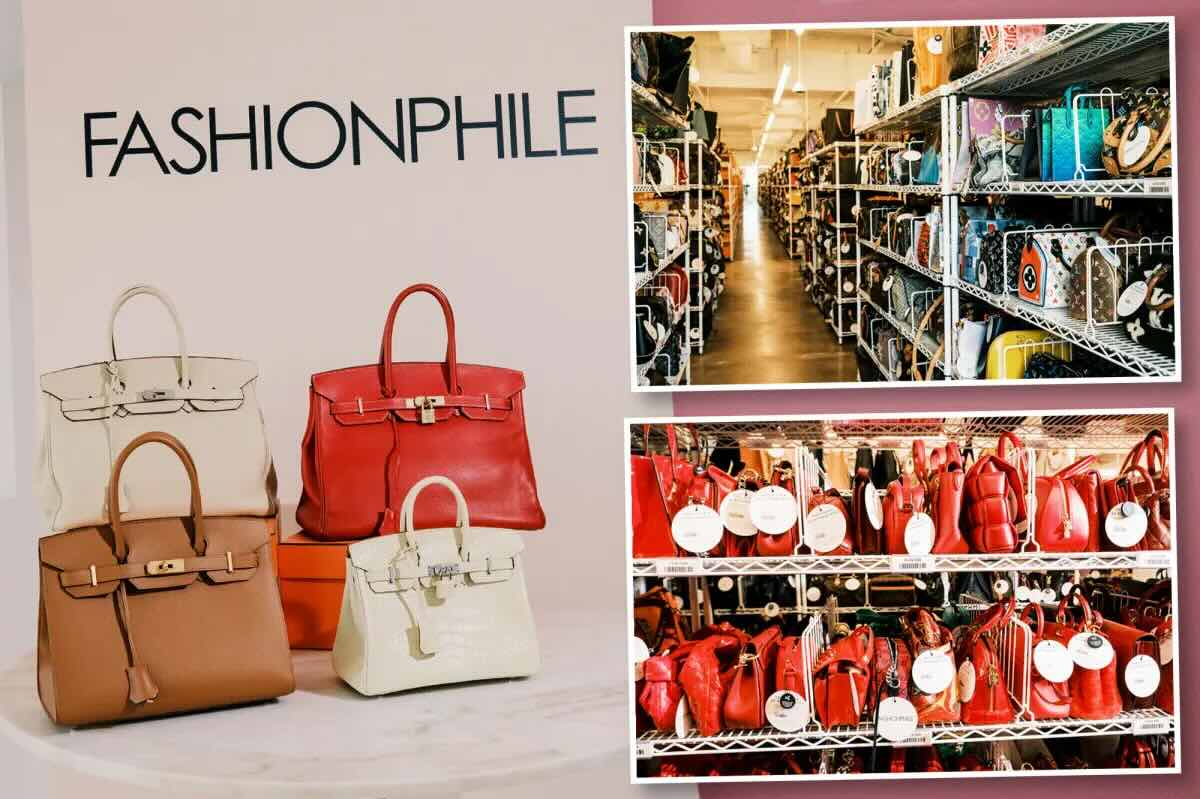
- Managed luxury resale: Fashionphile, Rebag, and The RealReal are useful when you want tighter editing, clearer condition grading, and a more structured buying experience.
- Marketplace luxury: Vestiaire Collective and eBay give you range, depth, and the possibility of better pricing if you know what you are looking at.
- Community-driven resale: Poshmark, Depop, and Vinted can be messier, but that mess is often where the genuine deals live, especially for contemporary labels, overlooked accessories, and pieces listed without much strategy.
In practice, I use the cleaner luxury sites as reference points even when I buy elsewhere. A Rebag or Fashionphile listing can tell you how a bag is typically described, how condition is discussed, and where the market roughly sits. Then you hop to a peer-to-peer platform and see whether someone has priced the same item with less confidence and, happily, less ambition.
How to search like someone who actually finds things
Start narrower. Then get weird.
The obvious search term is usually the most expensive one. Searching “Chanel flap bag” will show you every overpriced fantasy listing in the known world. Searching “Chanel lambskin black gold medium,” “vintage Chanel single flap,” or even the misspelled version a tired seller typed at midnight is often more productive. The same goes for clothing. Search by fabric, era, collection, or cut, not just brand name.
Try these filters and habits:
- Sort by newest first when you are hunting a specific item.
- Save searches with and without accents, punctuation, and model names.
- Search category errors, such as designer loafers listed under flats or men’s blazers filed as jackets.
- Look for listings with poor styling but strong bones: bad hanger photo, excellent wool twill.
- Set a budget ceiling before you browse, not after.
For high-end fashion, this is where patience pays. One excellent coat is worth ten “maybe” blazers. One well-kept shoulder bag is worth three compromised ones with sticky glazing and a sad story.
What to look for before you click buy

Photos first. Words second.
A good resale listing should show the front, back, corners, base, interior, hardware, strap, date stamp or serial details where relevant, and any wear in plain light. If the item is shot in nightclub darkness or filtered into oblivion, move on or ask for more images. A serious seller will not be offended. They expect the question.
For clothing, measurements matter more than tagged size, especially in vintage and designer tailoring. Ask for shoulder width, pit-to-pit, sleeve length, rise, inseam, and hem allowance. This is particularly useful for shoppers who are petite, tall, full-busted, broad-shouldered, or simply tired of brands pretending a size label is universal truth. It is not.
Fabric descriptions matter too. “Wool” is not enough. I would rather buy a jacket described as 100 percent wool gabardine with cupro lining than one vaguely praised for “premium material.” The more precise the listing, the more likely the seller actually knows what they have.
How to authenticate designer bags without playing detective in bad lighting
Authentication is where fantasy shopping should end and boring discipline should begin. Dust bags, boxes, and paper receipts are not proof on their own. They can travel with fakes quite easily. What matters is the object.
When you are buying a designer bag or accessory online, check the following:
- Model consistency: Does the shape, hardware, lining, stamp, zipper, and strap construction match known versions of that model and year?
- Material logic: Does the leather grain make sense for the brand and style, or does it look plasticky, too uniform, or oddly stiff?
- Hardware finish: Luxury hardware usually has a convincing weight and clean engraving, not fuzzy lettering or a brassy shine that feels wrong for the house.
- Edge paint and stitching: Messy glazing, uneven stitches, and puckered seams are rarely encouraging.
- Seller behavior: Evasive answers, rushed pressure, or refusal to provide detail shots are telling.
Use platform services where available. Vestiaire Collective, eBay, Poshmark, Vinted, The RealReal, Fashionphile, and others all now lean harder into verification or authentication in certain categories, price tiers, or listing types. That does not remove all risk, but it does make the process less amateur-hour than it once was.
For anything expensive, especially if you are buying outside a tightly managed luxury reseller, I would still factor in the cost of a post-purchase authentication service. Annoying? Slightly. Worth it? Very often, yes.
Understanding the resale value of luxury brands
The resale value of luxury brands is not just about prestige. It is about demand, scarcity, condition, and how readable the item is to the next buyer. Some houses retain value well because their classics are stable and recognizable. Hermès, Chanel, Goyard, and Louis Vuitton remain reliable reference points in that respect. I also notice growing confidence around quieter labels when a particular shape catches hold in the market. The Row is a good example of how understatement can become highly legible once enough people decide it signals discernment rather than restraint.
Still, not every expensive item is a smart resale buy. Seasonal novelty bags, tricky colors, very high heels, and heavily trend-led ready-to-wear usually soften fastest. The better long-game purchase is often something plain on paper and excellent in reality: black leather, tobacco suede, cream knitwear in a strong gauge, polished loafers, structured outerwear, or a bag with a practical strap drop and hardware that will not date it instantly.
Think in three tiers:
- Entry level: scarves, belts, silk ties, small leather goods, sunglasses, costume jewelry, vintage knitwear.
- Mid-range: loafers, shoulder bags, trench coats, wool blazers, older contemporary designer pieces with strong fabrication.
- Investment buys: classic handbags, tailored outerwear, fine jewelry, and iconic shoes in excellent condition with enough demand to sell again later.
That is the sensible way into pre-loved luxury. You do not need to begin with a four-figure bag. In fact, I would advise against it until you know how different platforms photograph wear, price desirability, and hide disappointment in plain sight.
Thrifting tips for high-end fashion that actually work

Buy with your wardrobe, not with your ego. A designer piece is only a gem if you wear it.
The easiest way to make resale shopping useful is to work from outfit formulas you already rely on. If you live in straight-leg denim, men’s shirting, and loafers, hunt for a better blazer, not a sequined archival oddity you will photograph once and resent forever. If you wear dresses, look for a grown-up cardigan in merino or cashmere, a softly structured evening bag, or elegant flat shoes you can stand in for more than twelve minutes.
Here are a few formulas that make secondhand designer pieces feel current without trying too hard:
- Vintage blazer + white T-shirt + fluid trousers + old leather belt
- Minimal shoulder bag + dark denim + crisp poplin shirt + flat slingbacks
- Long wool coat + fine knit + column skirt or straight jeans + loafers
- Archive silk scarf tied at the neck or bag handle + otherwise very plain clothes
That last point matters. Designer resale works best when the rest of the outfit is calm enough to let the piece read properly. Not boring. Just composed.
Care and longevity: make the buy last
Resale is only a virtuous idea if you actually care for what you buy. Leather bags should be stored stuffed but not overfilled, away from direct sun, with straps relaxed. Shoes need trees or at least tissue support. Tailoring benefits from proper hangers and the occasional steam rather than constant dry cleaning. Knitwear wants folding, not a hanger-induced crisis.
I still wear a dark camel coat I bought secondhand years ago, and it has aged in the way the best clothes do: the collar sits more naturally now, the cloth has softened at the cuffs, and it looks less like a purchase than a companion. That, to me, is the real appeal of pre-loved fashion. It has already started becoming itself, and then it keeps going with you.
FAQ
Are peer-to-peer resale platforms better than online consignment shops?
Not better across the board, just different. Peer-to-peer platforms usually offer more range and sometimes better prices. Online consignment shops tend to offer more editing, more standardized condition notes, and a simpler buying process.
What is the safest way to buy a designer bag online?
Use a platform with authentication or verification options, study the model before purchasing, ask for detailed photos, and avoid sellers who refuse reasonable questions. For expensive purchases, independent authentication after the sale is often money well spent.
What should I buy first if I am new to pre-loved luxury?
Start with accessories or outerwear rather than highly fitted clothing. Bags, scarves, belts, loafers, and coats are easier to assess online and easier to integrate into a real wardrobe.
The bottom line
Thrifting 2.0 is not about luck. It is about judgment. The best shoppers on peer-to-peer resale platforms know how to compare listings, read condition, ignore noise, and spot the gap between price and value. They also know when to walk away, which may be the least glamorous skill in fashion and one of the most useful.
Shop slowly. Ask better questions. Trust structure first. And when you find the right pre-loved luxury piece, one with honest wear and years left in it, you will know. Not because it screams. Because it settles in.


