This post contains affiliate links. If you use these links to buy something, we may earn a commission at no extra cost to you.
Choosing what to wear to the theatre can feel surprisingly tricky. You want to look polished, but not overdressed. You want to feel comfortable, but not too casual. And you want an outfit that matches the venue, the performance, and the mood of the evening.
The good news is that modern theatre style is more flexible than many people think. In most cases, you do not need a ball gown or tuxedo. What you do need is an outfit that feels intentional, respectful, and comfortable enough to sit in for a few hours without fidgeting through intermission.
This guide breaks down exactly what to wear to the theatre for women and men, including outfit ideas for Broadway shows, opera, ballet, local theatre, matinees, and evening performances.

In short: The safest theatre outfit is smart casual to semi-formal. For women, that can mean a midi dress, jumpsuit, or blouse with tailored trousers. For men, dark trousers or chinos with a button-down shirt or blazer work well. Opera and ballet usually call for a dressier look, while local theatre and matinees can be more relaxed.
General Principles of Theatre Attire in 2026
There is no single dress code for every theatre, but a few rules almost always apply. Theatre style should feel polished, respectful, and slightly more elevated than an everyday casual outfit.
- Respect the occasion: Going to the theatre is still a special outing, even when the dress code is not strictly formal.
- Dress for the venue: A Broadway show, historic opera house, and small local playhouse can all have different levels of formality.
- Prioritize comfort: You will be seated for a while, so your outfit should look good without feeling restrictive.
- Think polished, not stiff: The goal is to look intentional, not overly corporate or costume-like.
- Keep practicality in mind: Layering helps because theatres can feel cooler than expected.
What Does Theatre Attire Actually Mean?
For most theatre outings, theatre attire means smart casual or semi-formal. That is a wide range, but it gives you room to dress in a way that feels natural to you.
Think of it like this:
- Too casual: gym wear, flip-flops, distressed shorts, hoodies, sportswear, beachwear
- Usually right: dresses, skirts, jumpsuits, tailored trousers, blouses, blazers, loafers, block heels, polished flats, dress shirts
- Dressier options: cocktail dresses, sleek suits, evening bags, refined jewellery, dress shoes, heels
In other words, theatre dressing is less about hard rules and more about showing that you made an effort.

Theatre Attire for Women
For women, the easiest way to dress for the theatre is to aim for elegance with comfort. You want something that feels special enough for the event but practical enough for sitting, walking, and possibly heading to dinner before or after the show.
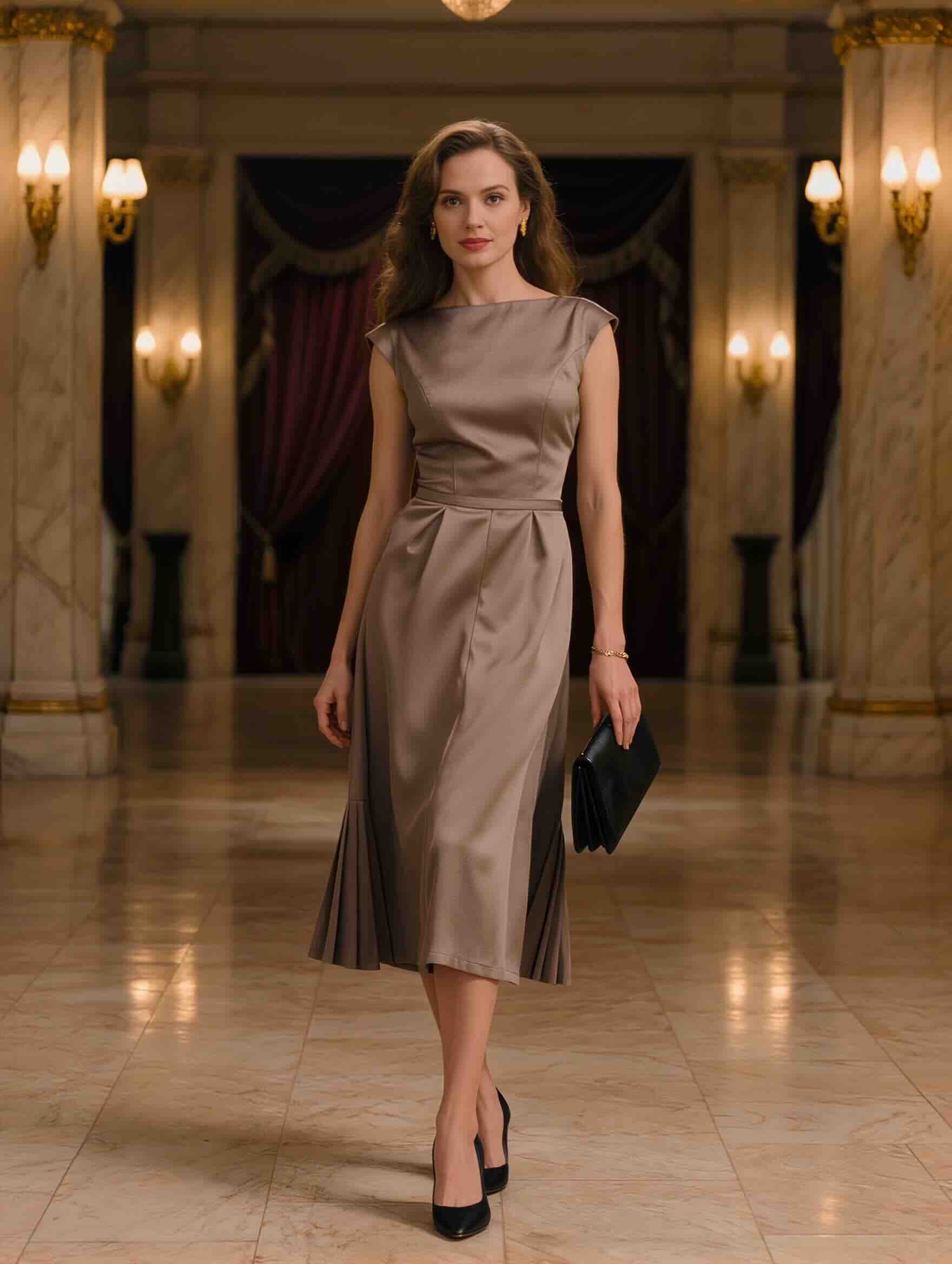
Best Dresses for the Theatre
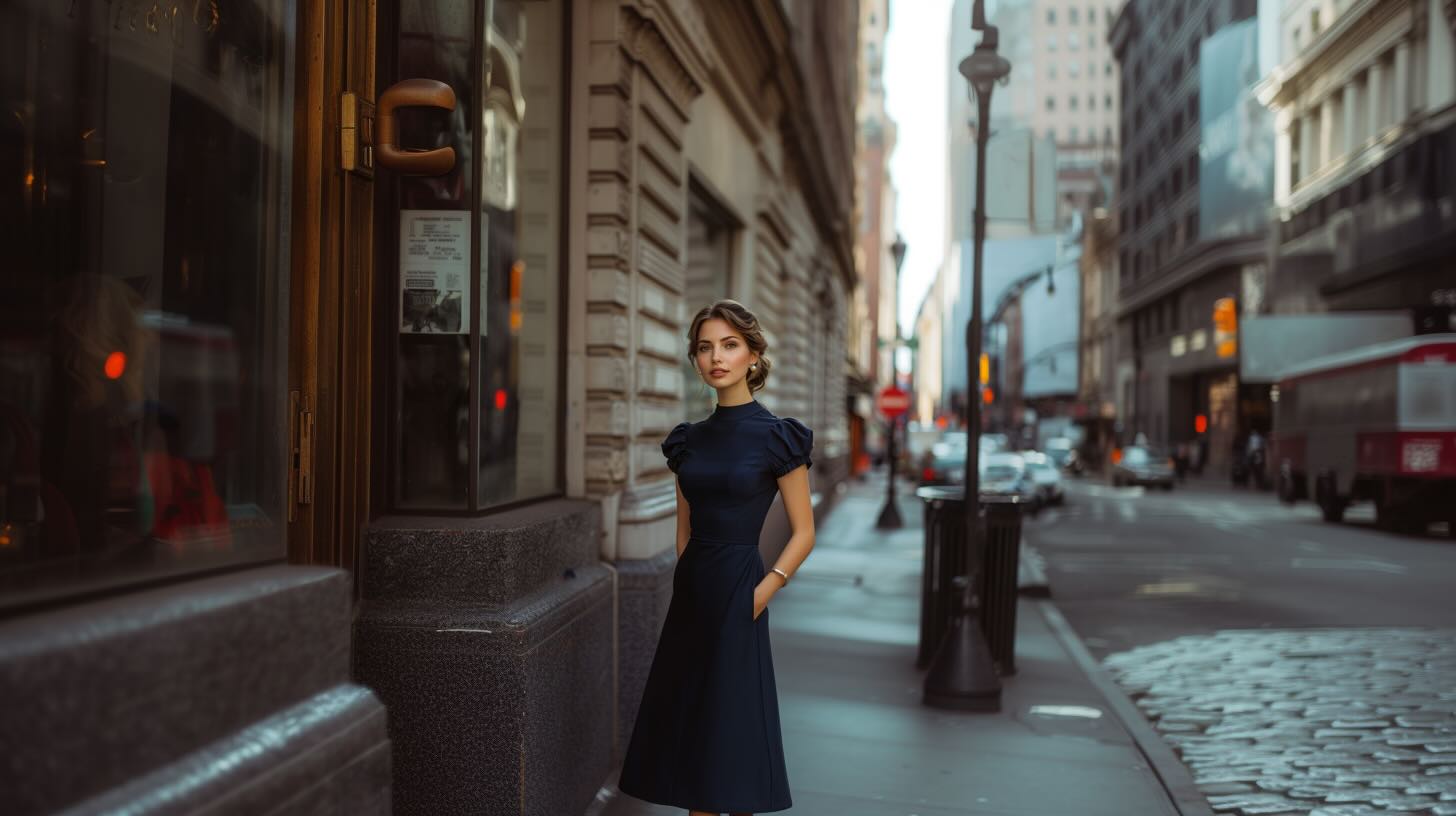
- Midi dresses: One of the easiest and most reliable choices. A midi dress looks polished without feeling overly formal.
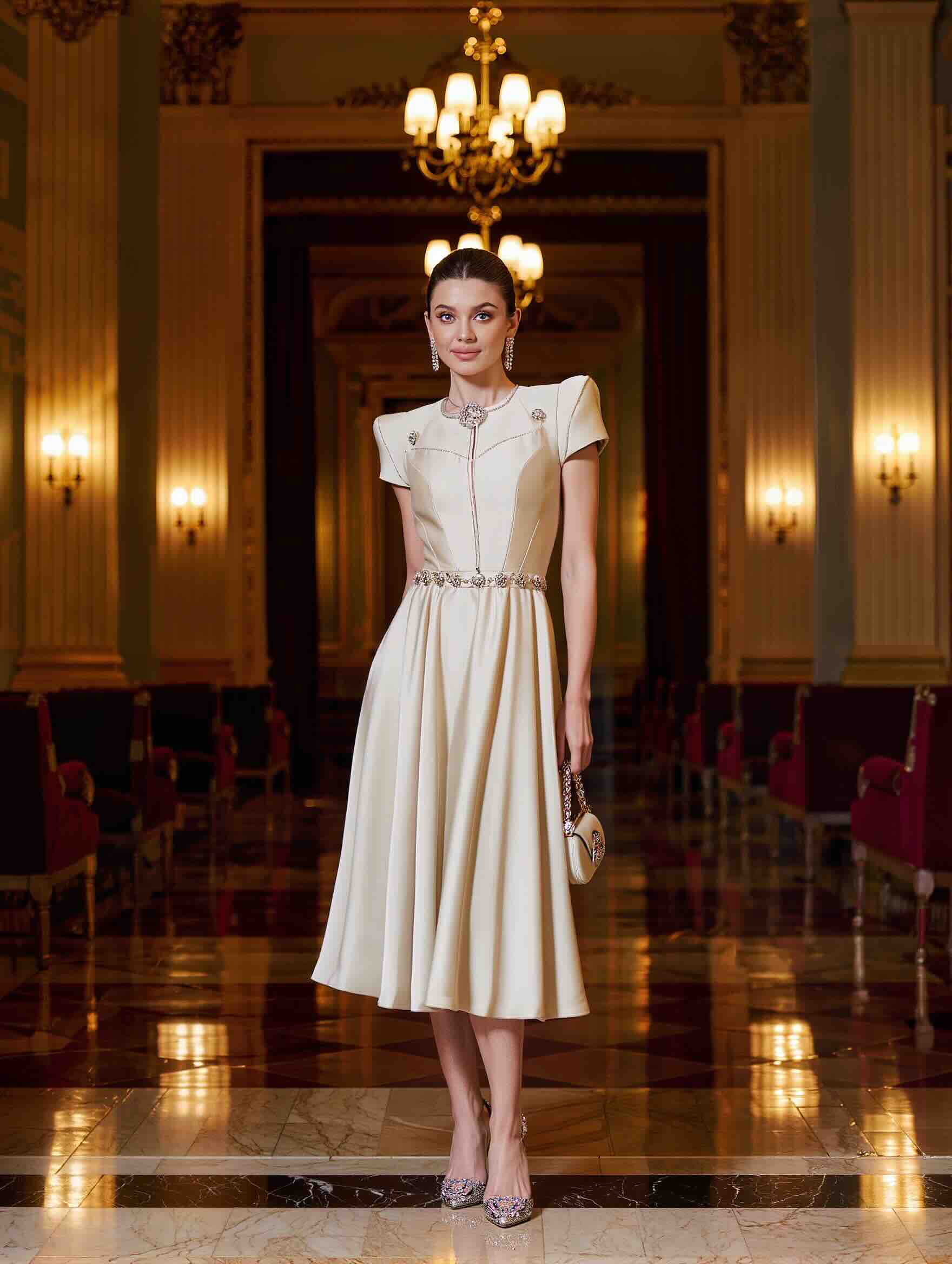
- Cocktail dresses: Great for evening performances, especially in upscale venues.
- Maxi dresses: A strong option for opera, ballet, or a dressier night out.
- Wrap dresses: Flattering, comfortable, and easy to style up or down.
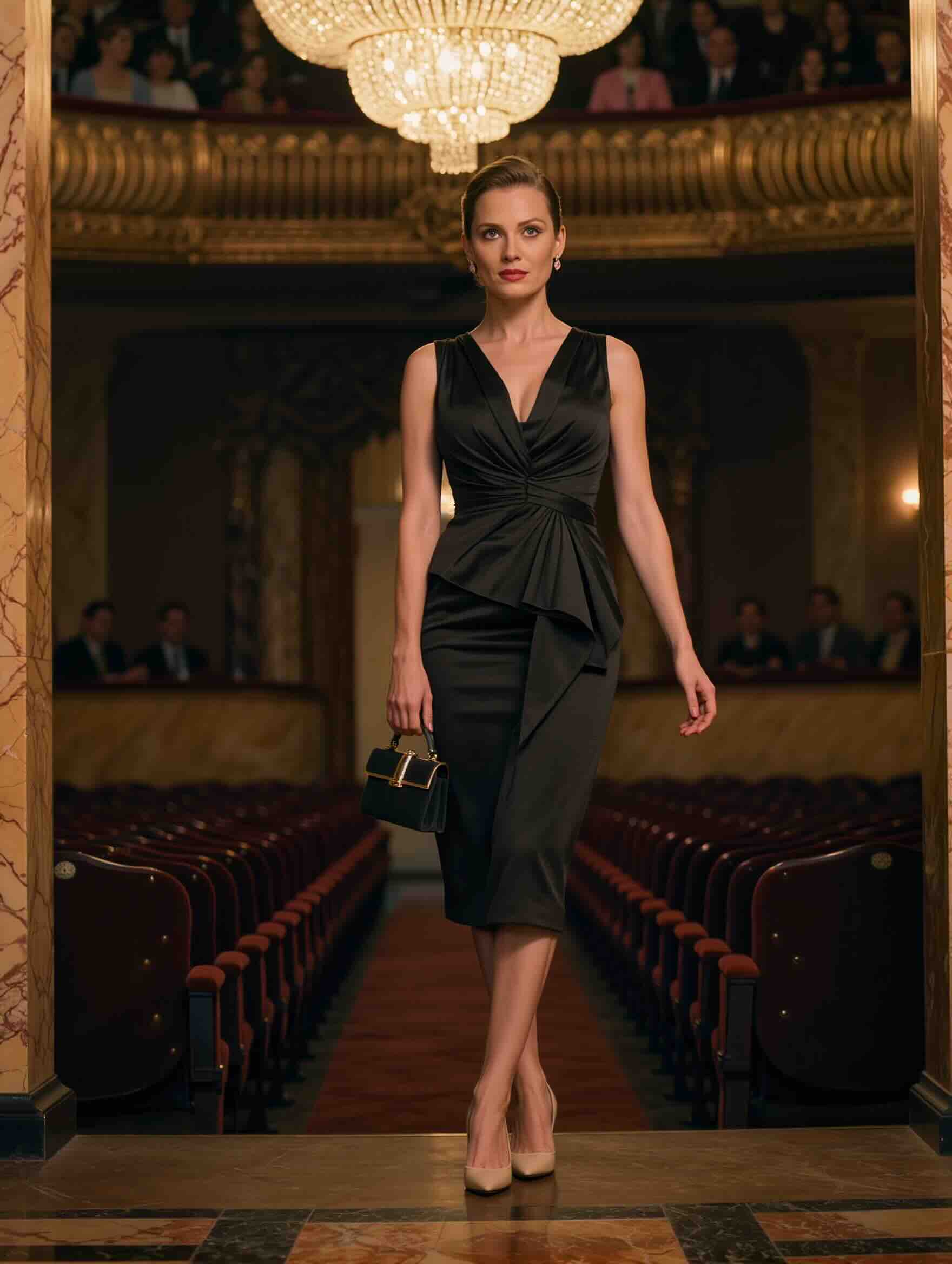
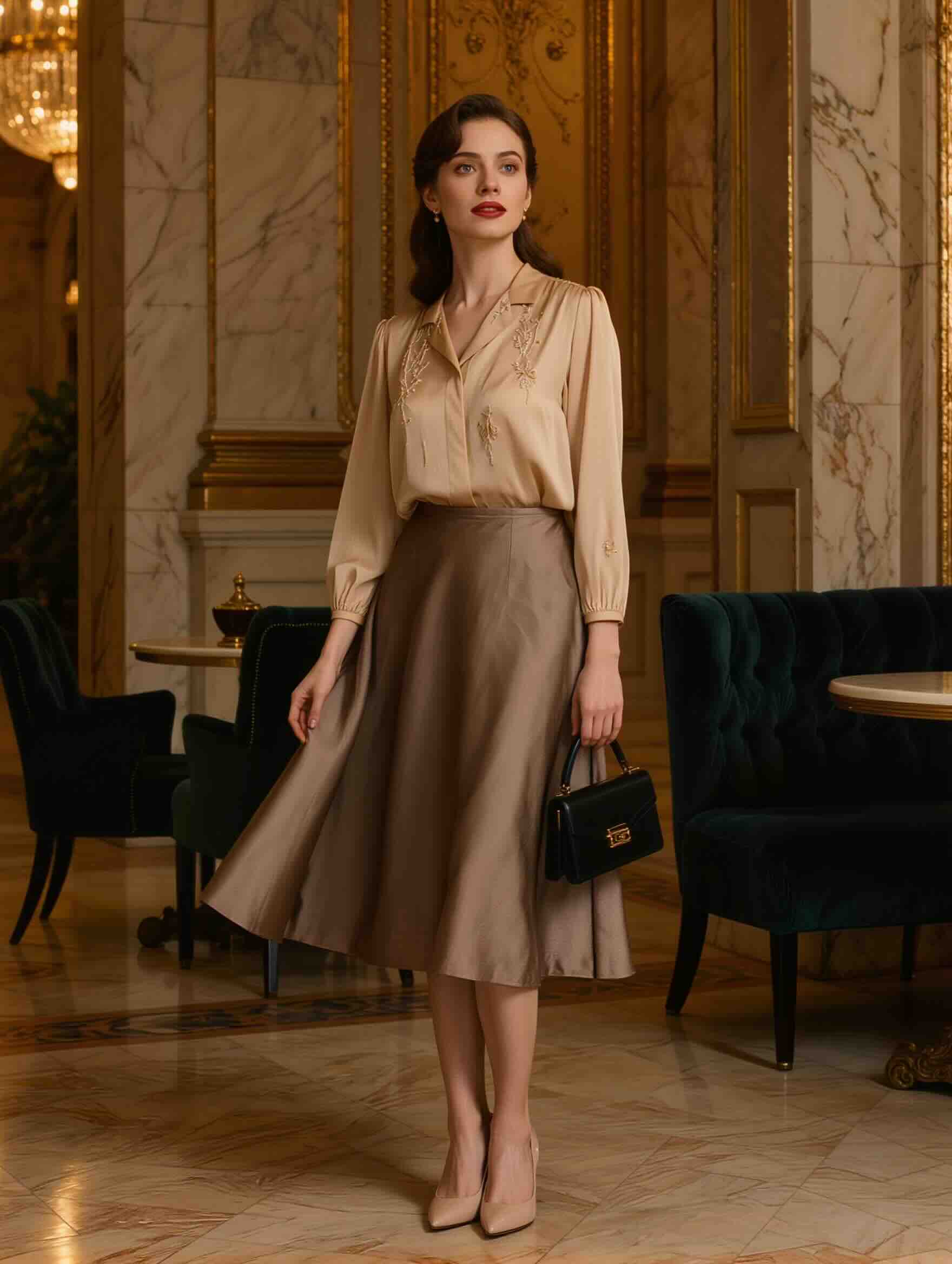
Chic Separates
- Blouse and midi skirt: Elegant, classic, and easy to personalize.
- Tailored trousers and a dressy top: A smart option if you prefer trousers to dresses.
- Jumpsuits: Modern, flattering, and especially useful if you want something sleek without overthinking it.
Shoes for the Theatre
- Block heels: Dressy, stable, and much easier to wear than stilettos.
- Kitten heels: A great middle ground between elegance and comfort.
- Polished flats: Ballet flats, pointed flats, and slingbacks can all work beautifully.
- Ankle boots: Fine for colder months, especially with dresses or tailored trousers.
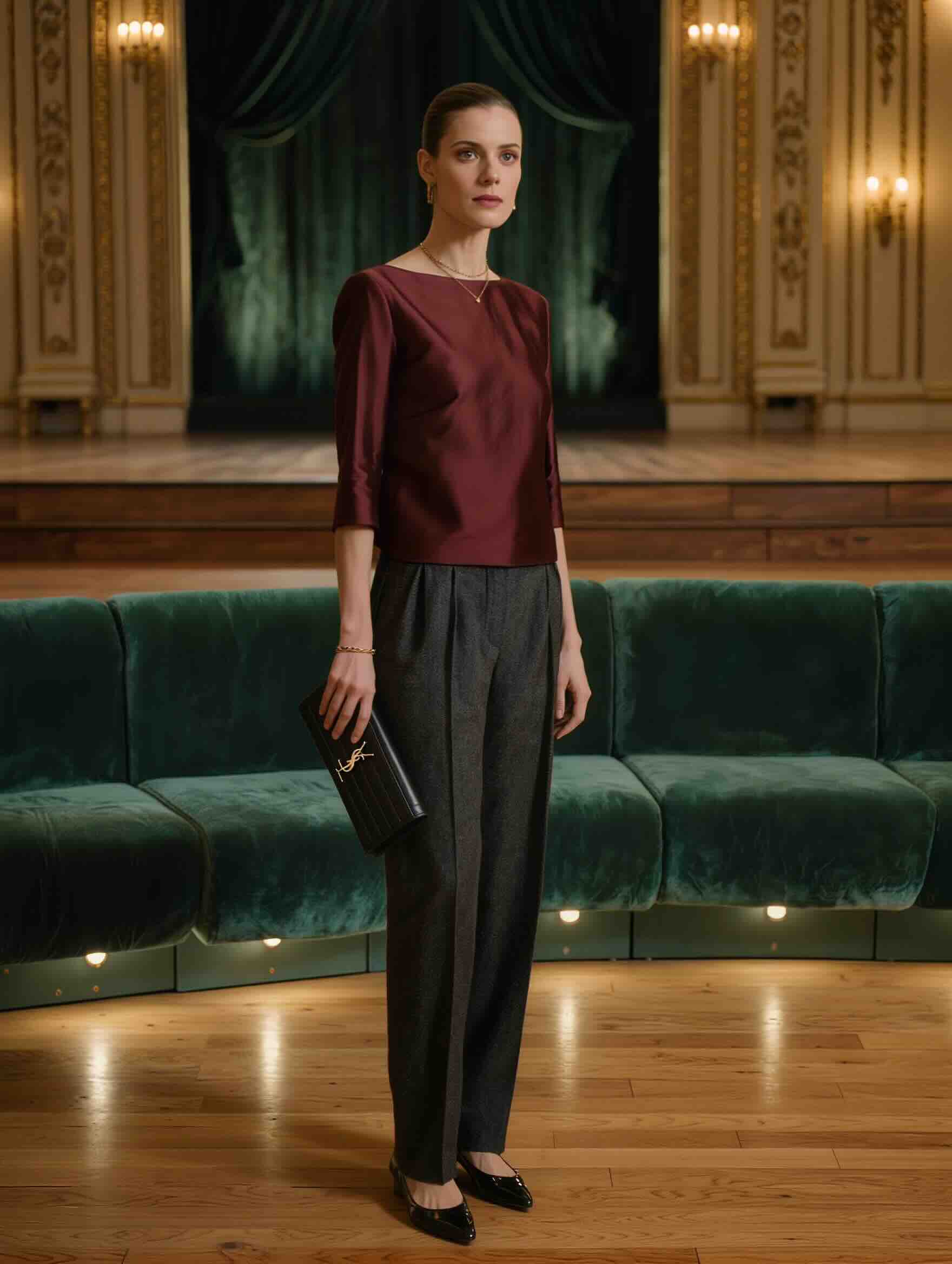
Accessories for Women
- Small evening bag or clutch: Enough for essentials without feeling bulky.
- Statement earrings or necklace: A simple way to elevate a basic outfit.
- Shawl, wrap, or blazer: Useful for chilly venues and adds a finished look.

Theatre Attire for Men
For men, theatre dressing is usually very straightforward. The key is to look clean, well-fitted, and a little more polished than everyday casual.

Best Theatre Outfits for Men

- Blazer with trousers or chinos: One of the safest options for most shows.
- Suit without a tie: Great for evening performances or dressier venues.
- Dress shirt with dark trousers: Clean, simple, and appropriate for many theatres.
- Knit polo with blazer: A smart modern option for a less formal look.
Shoes for Men
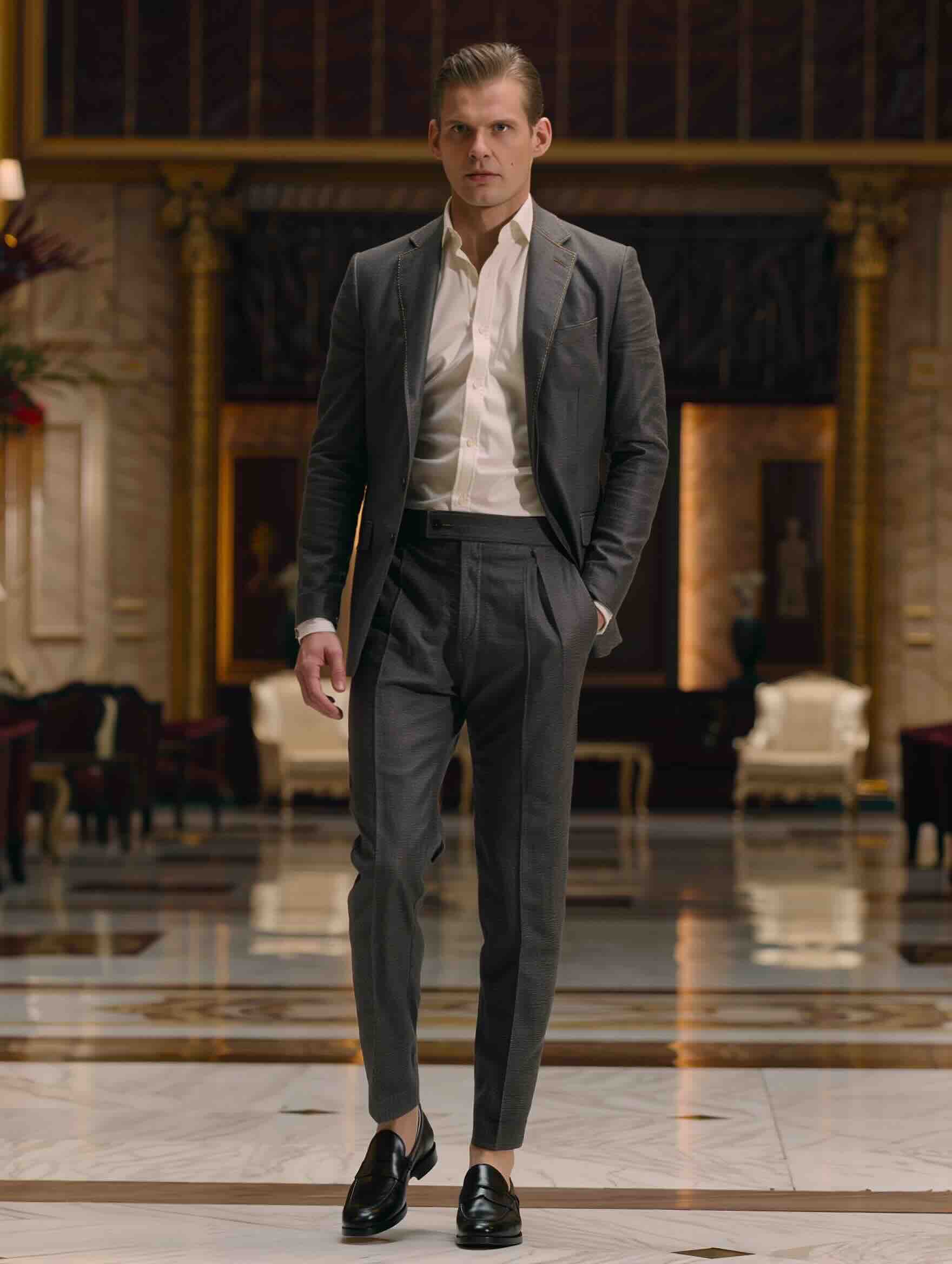
- Loafers: Easy, polished, and versatile.
- Oxfords or brogues: Ideal for a more formal performance.
- Dress boots: A strong option in colder weather.
- Clean leather sneakers: Sometimes acceptable for casual local theatre, but less ideal for opera, ballet, or upscale venues.
Accessories for Men

- Watch: A classic finishing touch.
- Pocket square: Adds personality if you are wearing a blazer or suit.
- Tie: Optional for most performances, but useful for opera or opening night.
What to Wear to Different Types of Theatre Performances
Broadway and West End Shows
Broadway and West End audiences usually dress somewhere between smart casual and semi-formal. You do not need to be overly formal, but this is a good time to wear something polished. For women, think midi dresses, jumpsuits, or chic separates. For men, think a blazer, dark trousers, and a smart shirt.
Opera and Ballet
Opera and ballet are usually the dressiest theatre categories. This is where cocktail dresses, maxi dresses, elegant suits, and more formal accessories make the most sense. You do not always need black tie, but you should lean more elevated than you would for a casual play.
Local Theatre and Community Plays
Local theatre is often more relaxed, but that does not mean sloppy. Smart casual is usually ideal. A simple dress, skirt and blouse, or polished trousers work well for women. For men, chinos or dark jeans with a button-down or knit polo are usually enough.
Opening Night
Opening night often has a dressier atmosphere. If you want a reason to dress up a little more, this is it. Think cocktail attire, elegant separates, sharper tailoring, and more refined accessories.
What to Wear to a Matinee
Matinees are usually less formal than evening shows, so you can relax a little. Smart casual is usually perfect. A daytime dress, blouse with trousers, cardigan, loafers, or polished flats all make sense. For men, chinos, dark jeans, a collared shirt, or a sweater-blazer combination work well.
The main difference is mood. Evening theatre usually invites a slightly dressier look, while matinees can feel lighter and more daytime-friendly.
Can You Wear Jeans to the Theatre?
Yes, sometimes. The best answer depends on the venue and performance.
Dark, well-fitted jeans can work for:
- local theatre
- casual plays
- some matinees
- less formal musicals
Jeans are usually not the best choice for:
- opera
- ballet
- opening nights
- historic or luxury venues
- any performance where the overall mood is more formal
If you do wear jeans, make sure they are dark, clean, structured, and paired with dressier pieces like a blazer, elegant top, or polished shoes.

What Not to Wear to the Theatre
Modern theatre dress codes are more relaxed than they used to be, but there are still a few things best left out.
- Overly casual pieces: gym wear, shorts, flip-flops, sportswear, distressed loungewear, beachwear
- Noisy accessories: anything that jingles, lights up, or distracts during the performance
- Huge bags or bulky coats on your lap: not ideal in tighter seating areas
- Uncomfortable shoes: theatre nights often include walking, stairs, and standing during intermission
- Large hats or obstructive hairstyles: avoid blocking the view of other guests
Seasonal Theatre Outfit Tips
Spring and Summer
Choose lighter fabrics like cotton blends, satin, silk-look fabrics, or lightweight crepe. Dresses, skirts, dressy trousers, and open shoes can all work well. Bring a light layer because indoor air conditioning can feel cold.
Fall and Winter
Lean into richer textures like wool blends, velvet, knits, and structured tailoring. Ankle boots, closed-toe heels, loafers, blazers, long coats, and shawls work especially well. Just make sure you can remove outerwear comfortably once inside.
Easy Theatre Outfit Formulas
For Women
- midi dress + block heels + clutch
- tailored trousers + satin blouse + blazer + flats
- jumpsuit + statement earrings + kitten heels
- skirt + knit top + slingbacks + evening bag
For Men
- blazer + dark trousers + button-down + loafers
- smart knit polo + chinos + dress shoes
- suit + open-collar shirt + polished shoes
- dress shirt + wool trousers + blazer + watch
Key Takeaway
The best theatre outfit is one that feels polished, respectful, and comfortable. You do not always need to dress formally, but you should look like you knew you were going somewhere special. Smart casual to semi-formal is the safest range for most performances, while opera, ballet, and opening night usually call for something dressier.
Frequently Asked Questions
What is the appropriate attire for a matinee theatre performance?
Matinee performances are usually less formal than evening shows. Smart casual outfits like a nice dress, blouse with trousers, chinos, or a collared shirt are usually appropriate.
Can I wear jeans to the theatre?
Yes, in some cases. Dark, well-fitted jeans can work for casual theatre settings when paired with dressier pieces. They are less suitable for opera, ballet, or formal opening night events.
How formal should my outfit be for an opening night performance?
Opening night is often dressier than a regular performance. Cocktail attire, elegant dresses, tailored suits, or sharper smart-casual outfits are usually a safe choice.
Are there any colours I should avoid wearing to the theatre?
There are no strict colour rules, but extremely bright neon shades or distracting novelty looks can feel out of place in a theatre setting. Rich neutrals, jewel tones, black, navy, and softer prints usually work well.
What should I wear to an outdoor theatre performance?
Dress for the weather while keeping the outfit polished. Layers are especially important because temperatures can shift quickly outdoors. Choose comfortable shoes and bring a jacket or wrap if needed.
Do I need to wear a dress to the theatre?
No. Dresses are a great option, but tailored trousers, jumpsuits, skirts, or polished separates can look just as appropriate and elegant.
Can men wear trainers to the theatre?
Clean leather trainers may work for casual local theatre, but dress shoes, loafers, or boots are usually a better choice for most theatre outings.